
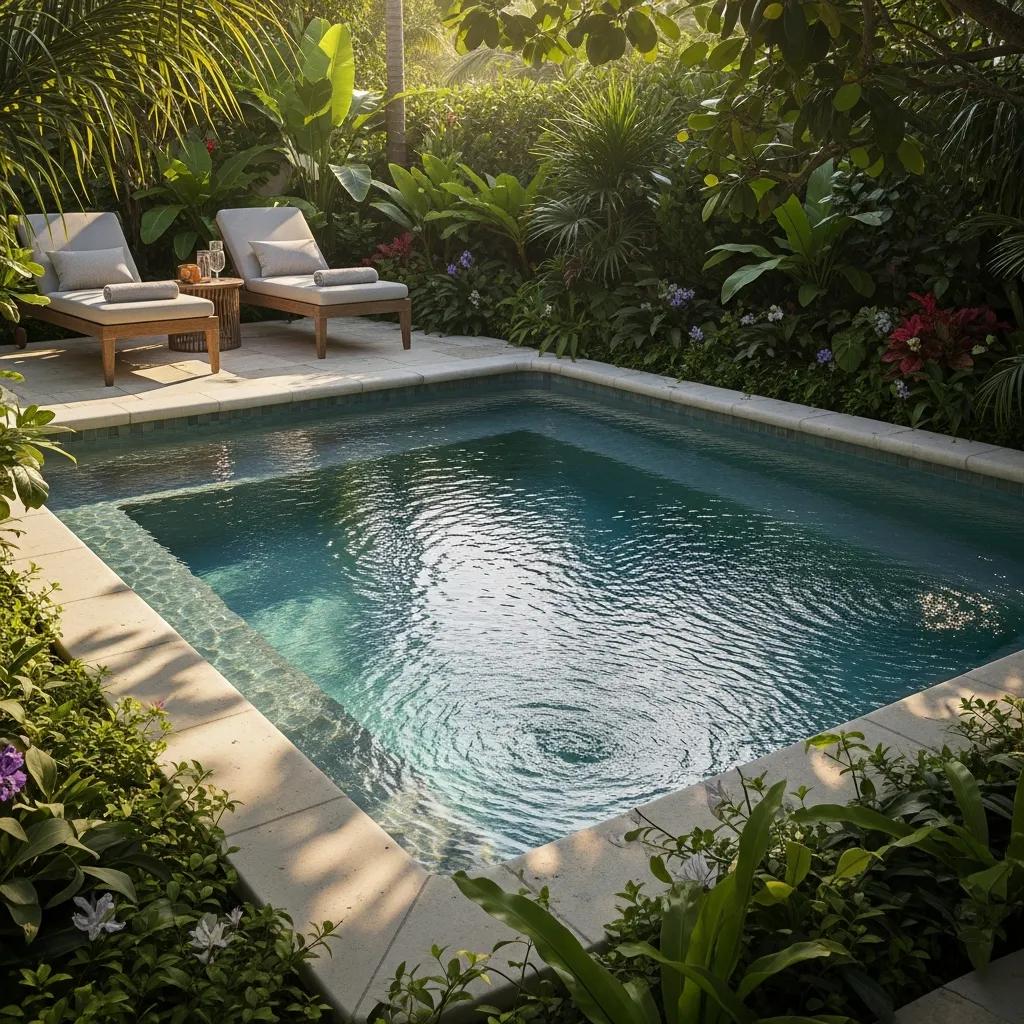
The Ultimate Guide to Plunge Pools: Benefits, Designs, and Installation Costs Explained
Plunge pools are a fantastic addition to any outdoor living space, offering a unique blend of relaxation and aesthetic appeal. This comprehensive guide will delve into the various benefits, designs, and costs associated with plunge pools, ensuring you have all the information needed to make an informed decision. Plunge pools, often smaller than traditional swimming pools, provide a refreshing retreat while enhancing your backyard’s overall design. Many homeowners seek to maximize their outdoor space without the extensive maintenance that larger pools require. This article will explore what plunge pools are, their benefits, types, modern designs, installation costs, and maintenance tips.
What Is a Plunge Pool and How Does It Enhance Your Outdoor Living Space?
A plunge pool is a compact swimming pool designed primarily for relaxation and cooling off rather than for swimming. These pools typically range from 6 to 12 feet in width and can be as deep as 4 to 6 feet, making them ideal for small backyards or limited spaces. The primary purpose of plunge pools is to provide a refreshing escape during hot weather while enhancing the aesthetic appeal of outdoor living areas. Their design often includes features such as built-in seating, jets for hydrotherapy, and energy-efficient heating systems, making them a versatile addition to any home.
Defining Plunge Pools: Purpose, Size, and Key Features
Plunge pools serve multiple purposes, including relaxation, hydrotherapy, and aesthetic enhancement. They are typically smaller than traditional pools, making them suitable for urban settings or homes with limited outdoor space. Key features often include built-in seating, jets for massage, and energy-efficient heating options. These pools can be customized to fit various styles, from modern to rustic, ensuring they complement the overall design of your outdoor area.
How Plunge Pools Compare to Traditional Pools and Hot Tubs
When comparing plunge pools to traditional swimming pools and hot tubs, several factors come into play. Plunge pools require less space and are generally more cost-effective to install and maintain. Unlike traditional pools, which can take up significant yard space and require extensive upkeep, plunge pools offer a compact solution that still provides the benefits of water relaxation. Additionally, they can be used year-round, especially when equipped with heating systems, making them a versatile choice for homeowners.
What Are the Top Benefits of Installing a Plunge Pool?
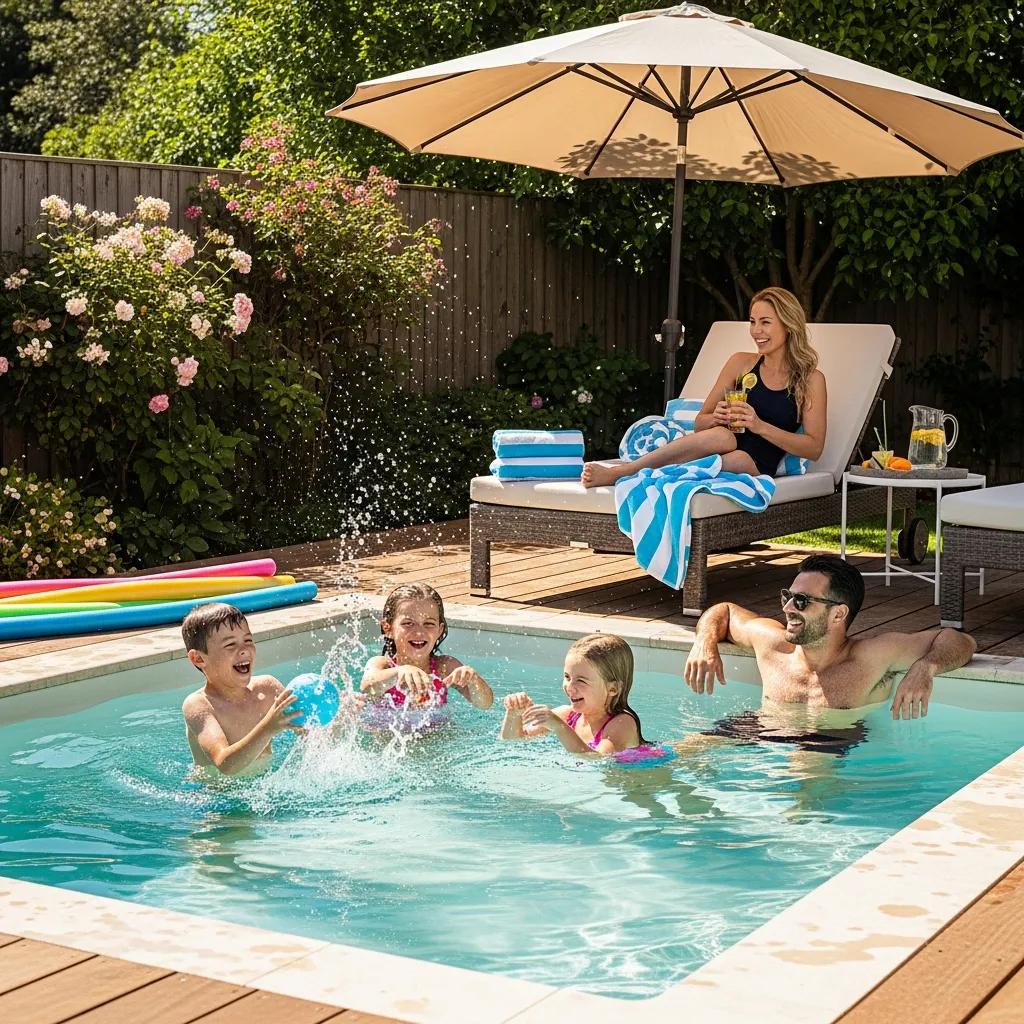
Installing a plunge pool comes with numerous advantages that can enhance your outdoor living experience. These benefits include space-saving designs, cost-effectiveness, and health and wellness improvements.
Space-Saving and Cost-Effective Advantages of Plunge Pools
Plunge pools are designed to fit into smaller spaces, making them ideal for urban homes or properties with limited yard area. Their compact size means they require less landscaping and fewer materials for installation, resulting in lower overall costs. Homeowners can enjoy the luxury of a pool without the extensive maintenance and expenses associated with larger swimming pools.
Health and Wellness Benefits: Hydrotherapy and Cold Plunge Therapy
Plunge pools offer significant health benefits, particularly through hydrotherapy and cold plunge therapy. The warm water can help soothe sore muscles and promote relaxation, while cold plunge therapy is known for its invigorating effects, improving circulation and reducing inflammation. Many users report enhanced well-being and recovery after using plunge pools, making them an excellent addition for those focused on health and fitness.
Which Types of Plunge Pools Are Available and How Do They Differ?
Plunge pools come in various types, each with unique characteristics and benefits. Understanding these differences can help you choose the right option for your needs.
In-Ground vs. Above-Ground Plunge Pools: Pros and Cons
In-ground plunge pools are typically more permanent and can be customized to fit your backyard’s design. They often provide a more luxurious feel and can be integrated with landscaping features. However, they require more extensive installation and higher upfront costs. On the other hand, above-ground plunge pools are easier to install and can be relocated if necessary, making them a flexible option for homeowners. They are generally less expensive but may not offer the same aesthetic appeal as in-ground models.
Material Options: Fiberglass, Concrete, and Vinyl Explained
Plunge pools can be constructed from various materials, including fiberglass, concrete, and vinyl. Fiberglass pools are known for their durability and low maintenance, while concrete pools offer customization options and a more traditional look. Vinyl pools are typically the most affordable option but may require liner replacement every 7 to 15 years. Each material has its pros and cons, so it’s essential to consider your budget and design preferences when making a choice.
How Do Modern Plunge Pool Designs Maximize Functionality and Aesthetic Appeal?
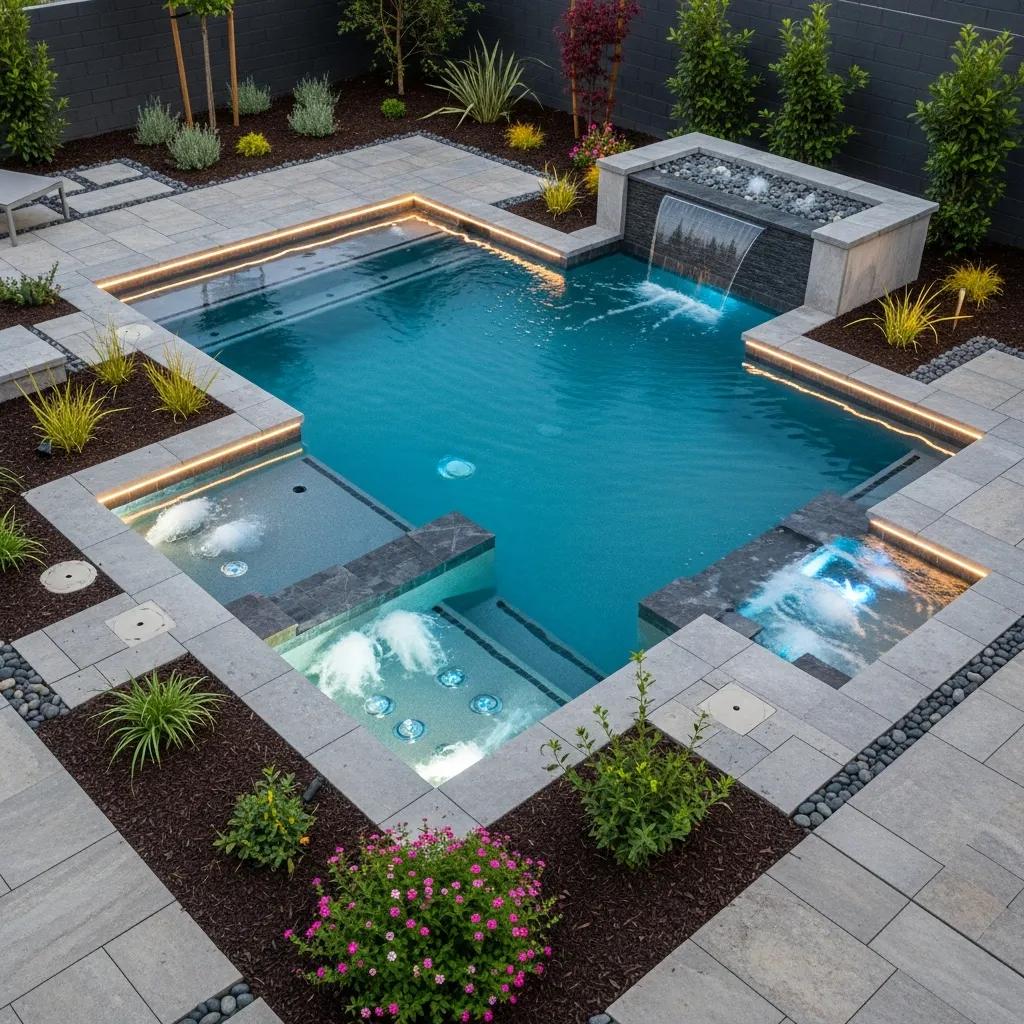
Modern plunge pool designs focus on maximizing both functionality and aesthetic appeal, ensuring they fit seamlessly into contemporary outdoor spaces.
Popular Shapes, Built-In Features, and Smart Heating Systems
Today’s plunge pools come in various shapes, including rectangular, oval, and freeform designs, allowing homeowners to choose a style that complements their landscape. Built-in features such as seating, jets, and lighting enhance the user experience, while smart heating systems enable efficient temperature control, making plunge pools usable year-round.
Integrating Landscaping and Energy-Efficient Accessories
Landscaping plays a crucial role in the overall appeal of plunge pools. Integrating plants, stones, and other natural elements can create a serene environment that enhances relaxation. Additionally, energy-efficient accessories, such as solar covers and LED lighting, can reduce operational costs while maintaining the pool’s aesthetic charm.
What Are the Typical Costs and Installation Considerations for Plunge Pools?
Understanding the costs and installation considerations for plunge pools is essential for budgeting and planning.
Breaking Down Initial Installation, Materials, and Labor Expenses
The initial installation costs for plunge pools can vary significantly based on size, materials, and location. On average, homeowners can expect to spend between $20,000 and $40,000 for an in-ground plunge pool, including materials and labor. Above-ground options are generally less expensive, with costs ranging from $5,000 to $20,000. It’s crucial to obtain multiple quotes from contractors to ensure a fair price.
DIY vs. Professional Installation: Permits, Site Prep, and Maintenance
While some homeowners may consider a DIY approach to installing a plunge pool, professional installation is often recommended to ensure proper setup and compliance with local regulations. Permits may be required, and site preparation can be complex, involving excavation and landscaping. Professional installers can also provide valuable insights into maintenance requirements, ensuring your plunge pool remains in excellent condition.
How Should You Maintain Your Plunge Pool for Longevity and Optimal Performance?
Proper maintenance is key to ensuring the longevity and optimal performance of your plunge pool.
Essential Cleaning, Chemical Balancing, and Filtration Tips
Regular cleaning and chemical balancing are essential for maintaining water quality in plunge pools. Homeowners should clean the pool’s surface and filter regularly, ensuring that debris does not accumulate. Additionally, maintaining proper chemical levels, including pH and chlorine, is crucial for preventing algae growth and ensuring a safe swimming environment.
Seasonal Care and Troubleshooting Common Maintenance Issues
Seasonal care involves preparing your plunge pool for winter and ensuring it is ready for use in warmer months. This may include winterizing the pool, checking for leaks, and ensuring the heating system is functioning correctly. Common maintenance issues, such as cloudy water or equipment malfunctions, can often be resolved with simple troubleshooting techniques, ensuring your plunge pool remains a source of enjoyment for years to come.
| Type of Plunge Pool | Pros | Cons |
|---|---|---|
| In-Ground | Customizable, luxurious feel | Higher installation costs |
| Above-Ground | Flexible, easier installation | Less aesthetic appeal |
| Fiberglass | Durable, low maintenance | Limited customization |
| Concrete | Highly customizable | Higher maintenance |
| Vinyl | Affordable | Requires liner replacement every 7-15 years |
Plunge pools offer a unique blend of relaxation, aesthetic appeal, and health benefits, making them an excellent addition to any outdoor living space. By understanding the various types, benefits, and maintenance requirements, homeowners can enjoy their plunge pool for years to come.