
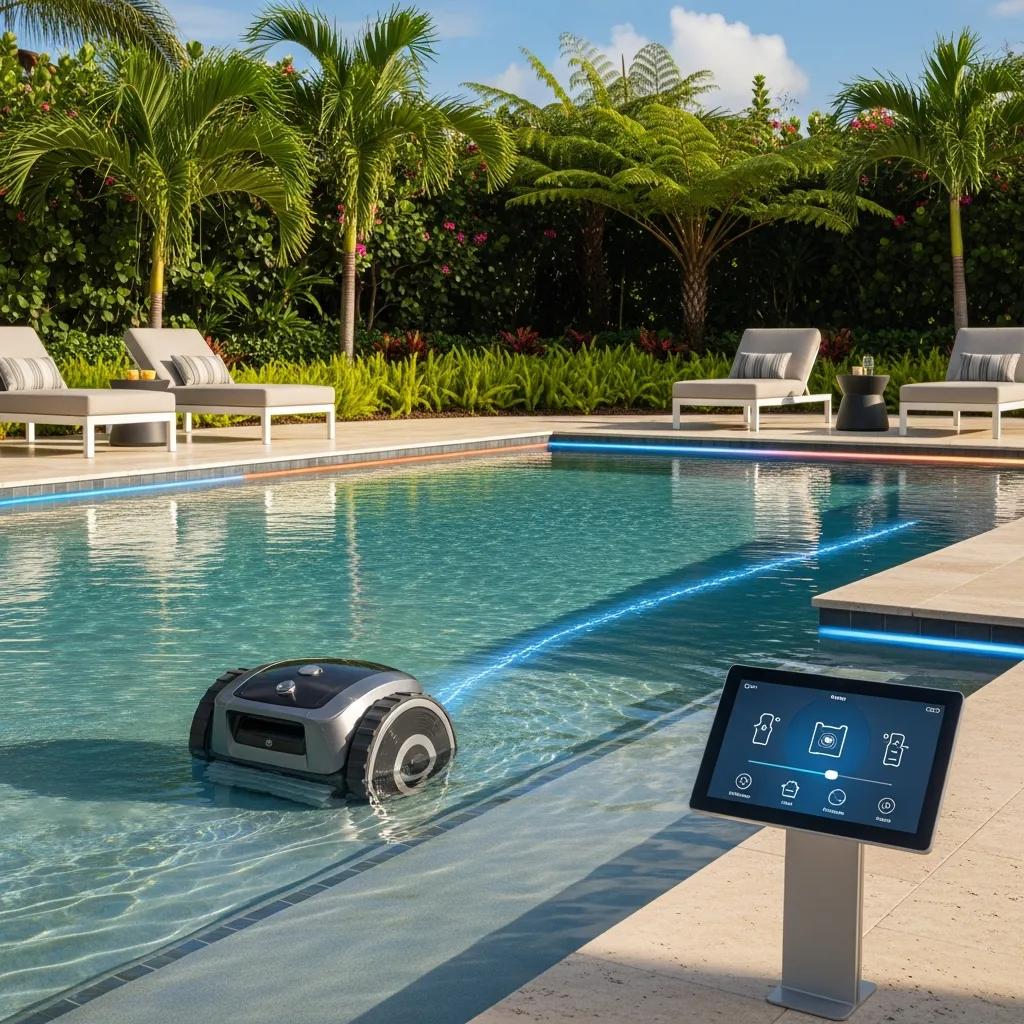
Embrace Smart Pool Technology for Effortless Ownership: The Ultimate Guide to Smart Pool Systems and Automation
Smart pool technology is revolutionizing the way pool owners manage their outdoor spaces, making maintenance easier and more efficient than ever before. This comprehensive guide will explore the various aspects of smart pool systems, including their components, benefits, and how they simplify ownership. By embracing these innovations, pool owners can enjoy a more relaxed and enjoyable experience, free from the burdens of traditional pool maintenance. In this article, we will delve into the key components of smart pool technology, the advantages of automated maintenance, and how to choose the best system for your needs. Additionally, we will discuss installation options and future trends in smart pool technology.
What Is Smart Pool Technology and How Does It Simplify Pool Ownership?
Smart pool technology refers to the integration of advanced automation and control systems that enhance the management and maintenance of swimming pools. These systems utilize various components, such as sensors, controllers, and mobile applications, to streamline pool operations and improve user experience. By automating routine tasks, smart pool technology significantly reduces the time and effort required for pool maintenance, allowing owners to focus on enjoying their pools rather than managing them.
Defining Smart Pool Systems and Pool Automation Technology
Smart pool systems encompass a range of technologies designed to automate and optimize pool management. These systems typically include pool controllers, which manage various functions such as heating, filtration, and chemical balancing. Additionally, pool automation technology allows users to monitor and control their pools remotely through mobile applications, providing convenience and peace of mind.
How Remote Pool Control Enhances Convenience and Peace of Mind
Remote pool control features enable users to manage their pools from anywhere, using their smartphones or tablets. This capability allows for real-time monitoring of water quality, temperature, and equipment status. Users can receive alerts for maintenance needs and adjust settings remotely, ensuring their pools are always in optimal condition. This level of control not only enhances convenience but also provides peace of mind, knowing that the pool is well-maintained even when the owner is away.
What Are the Key Components of a Smart Pool System?
A smart pool system consists of several essential components that work together to provide seamless automation and control. Understanding these components is crucial for selecting the right system for your needs.
Understanding Pool Controllers, Sensors, and Robotic Pool Cleaners
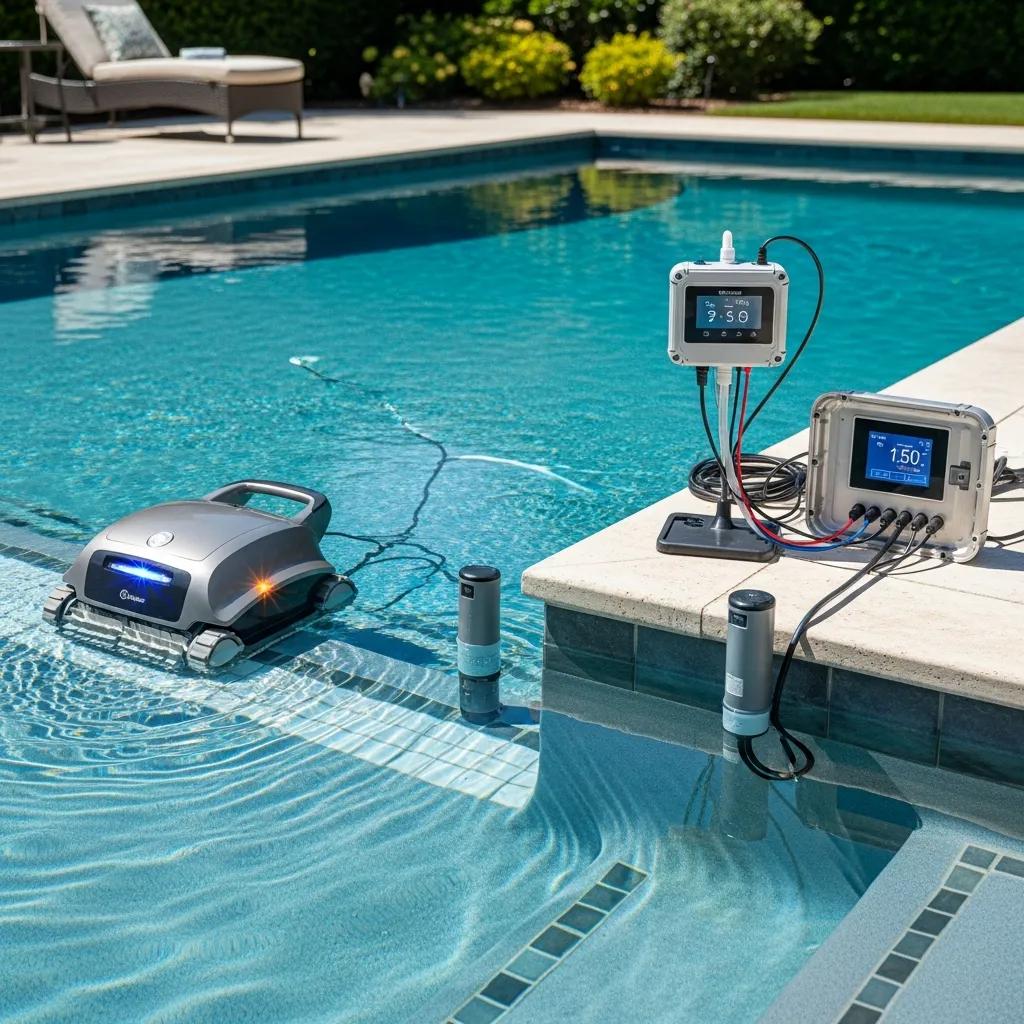
Pool controllers are the central hub of a smart pool system, managing various functions such as water circulation, heating, and chemical dosing. Sensors play a vital role in monitoring water quality, temperature, and equipment performance, providing real-time data to the pool controller. Robotic pool cleaners are another key component, automating the cleaning process and ensuring that the pool remains free of debris and contaminants.
Role of Variable Speed Pumps and Smart Lighting in Energy Efficiency
Variable speed pumps are designed to optimize energy consumption by adjusting their speed based on the pool’s needs. This technology not only reduces energy costs but also extends the lifespan of the pump. Smart lighting systems can be integrated into smart pool technology, allowing users to control lighting remotely and set schedules for energy efficiency. Together, these components contribute to a more sustainable and cost-effective pool ownership experience.
What Are the Benefits of Automated Pool Maintenance?
Automated pool maintenance offers numerous advantages that enhance the overall pool ownership experience. By reducing the time and effort required for maintenance, pool owners can enjoy their pools more fully.
How Automated Chemical Balancing Improves Water Quality
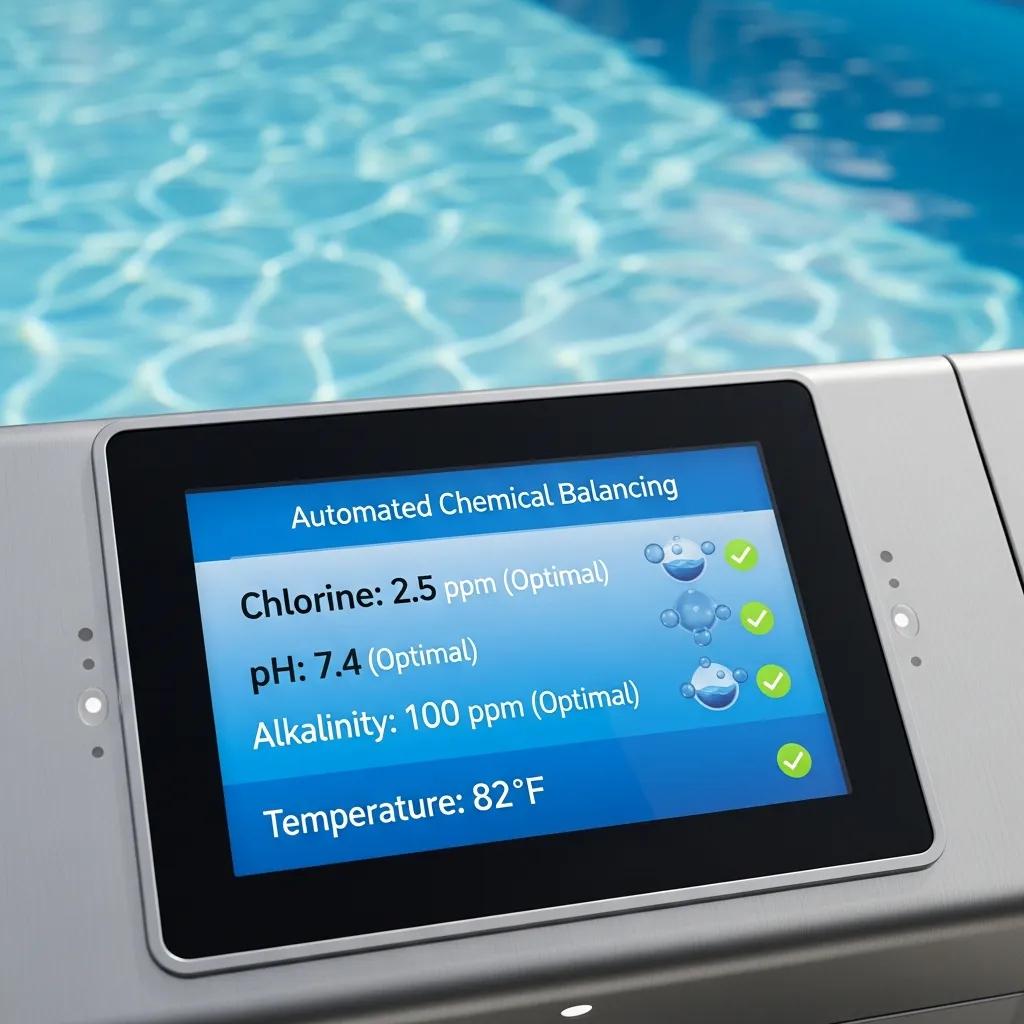
Automated chemical balancing systems continuously monitor and adjust the chemical levels in the pool, ensuring optimal water quality. This technology eliminates the guesswork associated with manual testing and dosing, resulting in cleaner, safer water for swimmers. By maintaining proper chemical balance, automated systems also help prevent algae growth and other water quality issues.
Time and Cost Savings from Smart Pool Energy Efficiency
Smart pool systems contribute to significant time and cost savings through energy-efficient technologies. By automating tasks such as heating, filtration, and cleaning, pool owners can reduce their energy consumption and lower utility bills. Additionally, the time saved on maintenance tasks allows owners to spend more time enjoying their pools rather than managing them.
For those looking to invest in smart pool technology, various options are available that cater to different needs and budgets.
How to Choose the Best Smart Pool System for Your Needs?
Selecting the right smart pool system involves considering several factors, including the specific features offered by different brands and how they align with your pool’s requirements.
Comparing Leading Brands and Their Unique Features
When evaluating smart pool systems, it’s essential to compare the features of leading brands. Some systems may offer advanced automation capabilities, while others focus on energy efficiency or user-friendly interfaces. Researching user reviews and ratings can also provide valuable insights into the performance and reliability of different systems.
Factors to Consider: Pool Size, Budget, and Smart Home Integration
Several factors should guide your decision when choosing a smart pool system. Consider the size of your pool, as larger pools may require more robust systems with additional features. Your budget will also play a significant role in determining which system is right for you. Finally, consider how well the system integrates with your existing smart home technology, as seamless integration can enhance the overall user experience.
Should You Opt for DIY Installation or Professional Services?
Deciding between DIY installation and hiring professionals for your smart pool system can significantly impact your experience and the system’s performance.
Pros and Cons of DIY Smart Pool System Installation
DIY installation can save money and provide a sense of accomplishment. However, it may also come with challenges, such as ensuring proper setup and configuration. If you have experience with home automation systems, a DIY approach may be feasible.
When to Hire Professionals for Setup and Maintenance
In some cases, hiring professionals for installation and maintenance may be the best option. Complex systems or those requiring integration with existing infrastructure may benefit from expert assistance. Additionally, professional installation can ensure that the system is set up correctly, maximizing its performance and longevity.
What Does the Future Hold for Smart Pool Technology?
The future of smart pool technology is promising, with emerging trends and innovations set to enhance the user experience further.
Emerging Trends: AI-Driven Water Quality and Predictive Maintenance
Artificial intelligence is beginning to play a significant role in smart pool technology, particularly in water quality management. AI-driven systems can analyze data from sensors to predict maintenance needs and optimize chemical dosing, ensuring that pools remain in peak condition with minimal user intervention.
Integrating Smart Pools with Voice Assistants and IoT Ecosystems
As smart home technology continues to evolve, integrating smart pools with voice assistants and IoT ecosystems will become increasingly common. This integration will allow users to control their pools using voice commands and create automated routines that enhance convenience and energy efficiency.
Different smart pool components deliver distinct benefits through specific mechanisms.
| Component | Functionality | Benefit | Impact Level |
|---|---|---|---|
| Pool Controllers | Manage heating, filtration, and chemical dosing | Streamlined pool management | High |
| Sensors | Monitor water quality and equipment status | Real-time data for optimal performance | High |
| Robotic Cleaners | Automate cleaning process | Reduced manual labor and improved cleanliness | Medium |
This comparison highlights how each component contributes to the overall efficiency and effectiveness of smart pool systems, making them an invaluable investment for modern pool owners.