
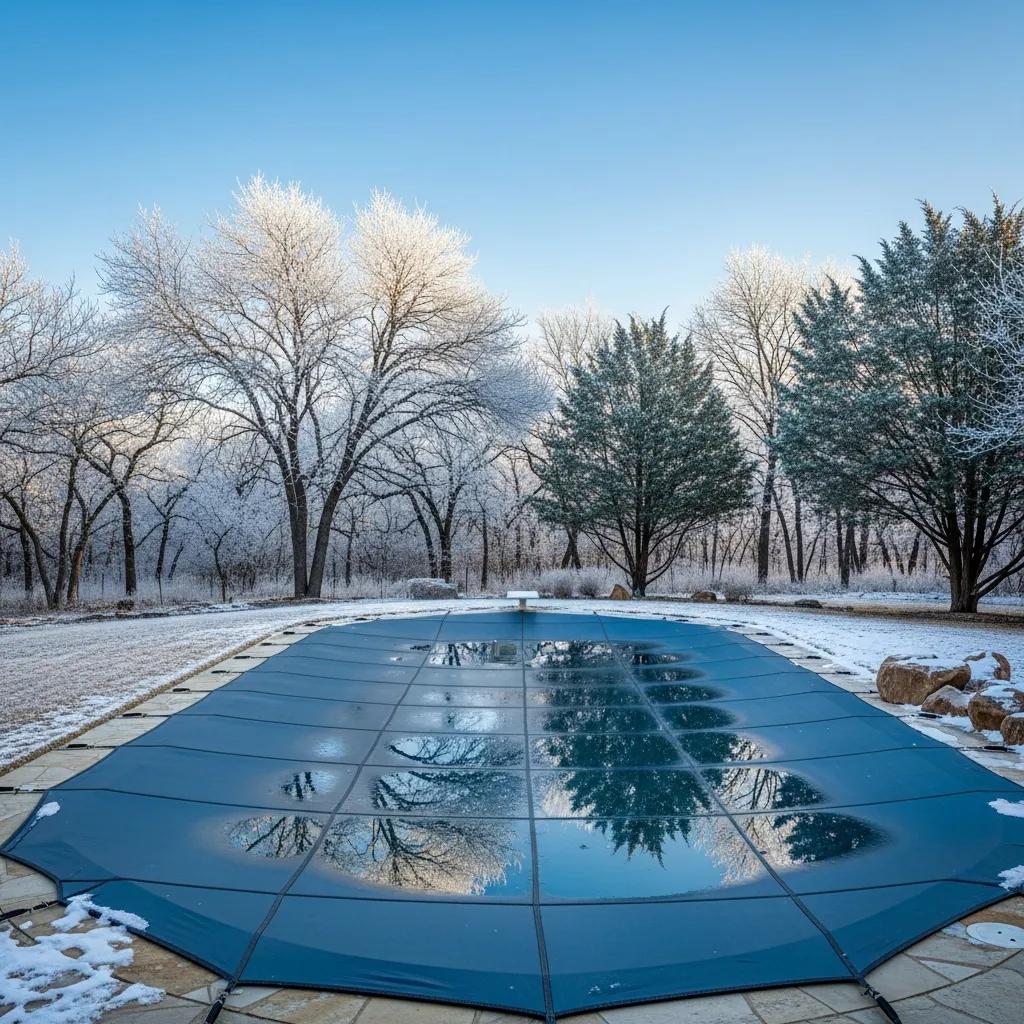
Essential Steps for Winterizing Your North Texas Pool: Complete Guide to Prevent Freeze Damage and Maintain Pool Health
Winterizing your pool is a crucial step for homeowners in North Texas, where fluctuating temperatures can lead to significant damage if not properly managed. This comprehensive guide will walk you through the essential steps for winterizing your pool, ensuring it remains in optimal condition throughout the colder months. By understanding the importance of winterization, you can prevent freeze damage and maintain the health of your pool, saving you time and money in repairs. In this article, we will cover why winterizing is crucial, the ideal timing for winterization, the essential steps involved, how to protect your pool equipment, the best types of pool covers, and whether to choose DIY or professional services.
Why Is Winterizing Your North Texas Pool Crucial?
Winterizing your pool is essential to protect it from the effects of cold weather. In North Texas, where temperatures can drop unexpectedly, failing to winterize can lead to costly repairs and damage to pool equipment. Proper winterization helps prevent freezing, which can crack pipes, damage pumps, and compromise the overall integrity of your pool. Additionally, winterizing can save you money on maintenance and repairs in the long run, making it a wise investment for any pool owner.
How Does North Texas Climate Affect Pool Winterization?
The climate in North Texas presents unique challenges for pool owners. With winter temperatures often fluctuating, pools can experience freezing conditions that may not be consistent. This variability can lead to unexpected freeze damage if pools are not adequately prepared. The humidity levels in the region can also affect water chemistry, making it essential to monitor and adjust your pool’s chemical balance before winterizing.
What Are the Risks of Not Winterizing Your Pool Properly?
Neglecting to winterize your pool can result in several risks, including equipment damage, water quality issues, and increased repair costs. When water freezes in pipes or equipment, it can cause cracks and leaks, leading to expensive repairs. Additionally, improper winterization can lead to algae growth and other water quality problems, making it more challenging to reopen your pool in the spring.
When Should You Start Winterizing Your Pool in North Texas?
What Is the Ideal Temperature to Begin Pool Winterization?
The ideal temperature to begin winterizing your pool is typically when nighttime temperatures consistently drop below 45°F. This threshold indicates that the risk of freezing is increasing, and it’s time to take action. Monitoring local forecasts can help you determine the best time to start the winterization process.
How to Monitor Weather for Optimal Winterization Timing?
To ensure you winterize your pool at the right time, utilize weather apps and local forecasts. Historical weather data can also provide insights into typical temperature patterns, helping you anticipate when to begin the winterization process. Keeping an eye on sudden temperature drops will allow you to act quickly and protect your pool.
What Are the Essential Steps for Winterizing Your North Texas Pool?
Winterizing your pool involves several critical steps to ensure it remains protected throughout the colder months. Following these steps will help you maintain your pool’s health and prevent damage.
- Thoroughly Clean Your Pool Before Winter: Start by skimming debris from the surface, brushing the walls, and vacuuming the bottom. This cleaning process removes contaminants that could lead to algae growth during the winter months.
- Balance Water Chemistry for Winter Protection: Test the pH and alkalinity levels of your pool water, adjusting them as necessary. Adding winterizing chemicals can help prevent algae growth and protect your pool surfaces during the cold months.
Step 1: How to Thoroughly Clean Your Pool Before Winter?
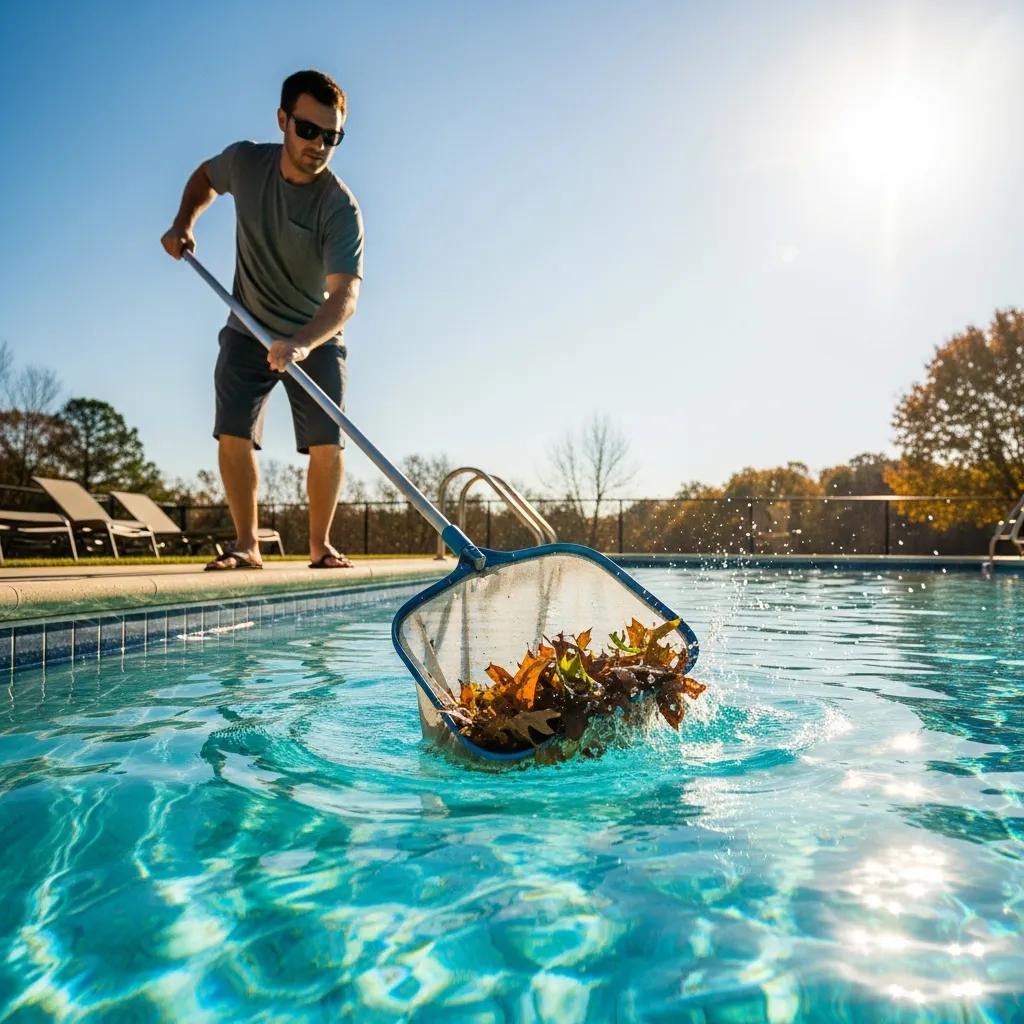
Cleaning your pool before winter is essential to prevent debris from causing damage. Begin by skimming the surface to remove leaves and other debris. Next, brush the walls to eliminate any algae buildup, and vacuum the pool floor to ensure it is free of dirt and contaminants. This thorough cleaning will help maintain water quality and prevent issues when reopening your pool in the spring.
Step 2: How to Balance Water Chemistry for Winter Protection?
Balancing your pool’s water chemistry is crucial for winter protection. Test the pH and alkalinity levels, aiming for a pH between 7.2 and 7.6 and alkalinity between 80-120 ppm. Adding winterizing chemicals can help stabilize the water and prevent algae growth, ensuring your pool is ready for winter.
How Do You Protect Pool Equipment from Freezing in North Texas?
What Are the Best Practices for Draining and Cleaning Pool Equipment?
To protect your pool equipment, start by draining pumps, filters, and heaters to prevent water from freezing inside. Clean skimmers and other equipment thoroughly before storing them for the winter. Proper storage techniques, such as keeping equipment in a dry, sheltered area, can also help prevent damage.
How Do Freeze Guards and Pump Operation Prevent Damage?
Using freeze guards can help protect your pool equipment by automatically activating the pump when temperatures drop to a certain level. This operation helps circulate water and prevent freezing, reducing the risk of damage to your pool’s plumbing and equipment.
Which Pool Covers Are Best for North Texas Winters?
What Types of Pool Covers Provide Optimal Protection?
There are several types of pool covers available, including solid covers, mesh covers, and safety covers. Solid covers provide excellent protection against debris and prevent water from entering the pool, while mesh covers allow rainwater to drain through while keeping debris out. Safety covers offer additional security, making them a great choice for families with children or pets.
How to Properly Install and Secure Your Pool Cover?
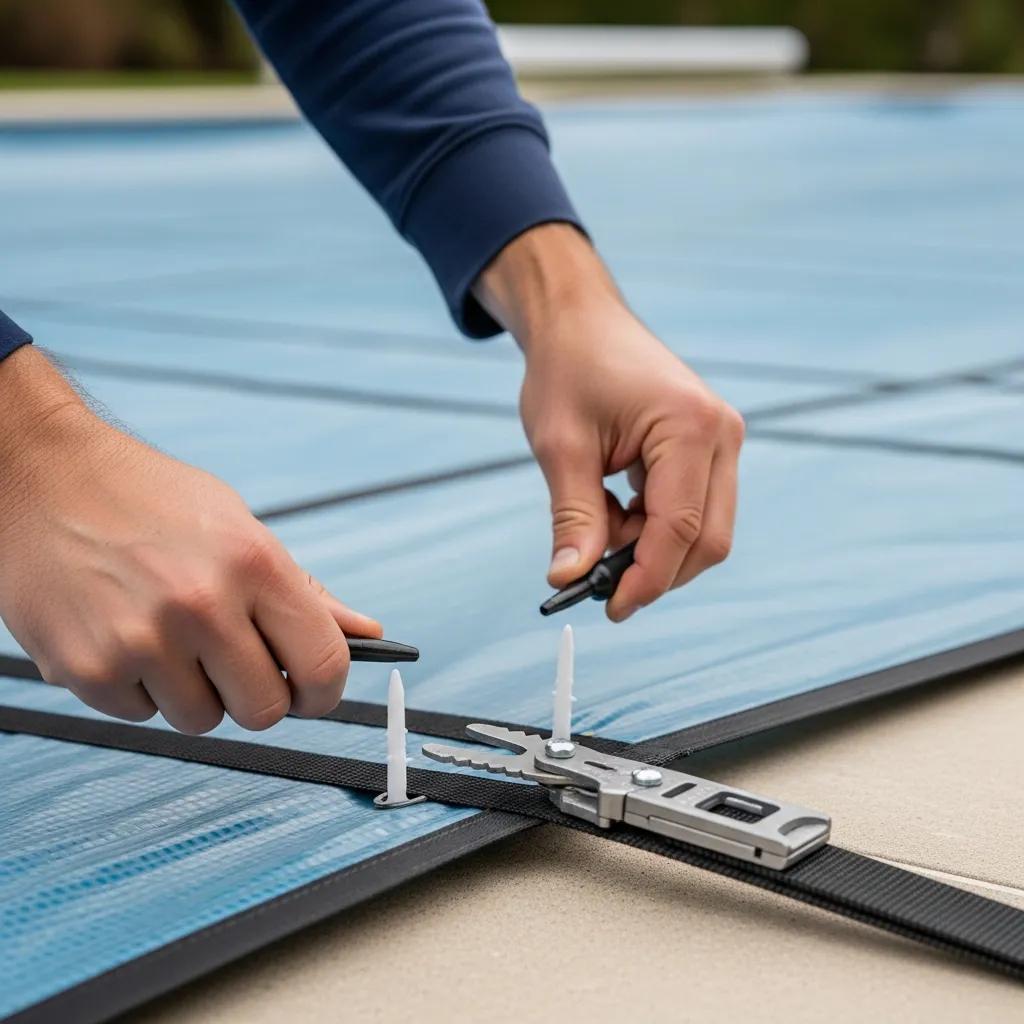
Proper installation and securing of your pool cover are crucial for its effectiveness. Follow the manufacturer’s instructions for installation, ensuring that the cover fits snugly over the pool. Use anchors or straps to secure the cover in place, preventing it from being blown away by strong winds.
Should You Choose DIY or Professional Pool Winterization in North Texas?
What Are the Cost and Benefit Differences Between DIY and Professional Services?
DIY winterization can save you money, but it requires time and effort to ensure everything is done correctly. Professional services, while more expensive, offer expertise and can provide peace of mind that your pool is winterized properly. Weighing the costs and benefits of each option can help you make the best decision for your situation.
When Is It Advisable to Hire a Professional for Pool Winterization?
Hiring a professional for pool winterization is advisable if you have a complex pool system or lack the time and experience to do it yourself. Professionals can ensure that all aspects of winterization are handled correctly, reducing the risk of damage and ensuring your pool is ready for the next season.
| Step | Action | Importance |
|---|---|---|
| 1 | Clean the pool | Prevents algae growth |
| 2 | Balance water chemistry | Protects pool surfaces |
| 3 | Drain equipment | Prevents freeze damage |
| 4 | Install cover | Protects from debris |
This table summarizes the essential steps for winterizing your North Texas pool, highlighting the importance of each action in preventing damage and maintaining pool health.
Winterizing your pool is a vital process that protects your investment and ensures your pool remains in excellent condition. By following these essential steps, you can prevent freeze damage and maintain the health of your pool throughout the winter months.