
Guide to Opening Your Pool for Summer in North Texas: Essential Steps and Timing
As summer approaches in North Texas, many homeowners are eager to open their pools for the season. This comprehensive guide will walk you through the essential steps and timing for opening your pool, ensuring a safe and enjoyable swimming experience. You will learn about the best time to open your pool, a complete checklist for preparation, and how to maintain water chemistry for optimal clarity and safety. Many pool owners face challenges when transitioning from winter to summer, but with the right knowledge and preparation, you can avoid common pitfalls. This article will cover the best timing for opening your pool, a detailed checklist, equipment preparation, water chemistry management, troubleshooting common issues, and whether to tackle the opening yourself or hire professionals.
When Is the Best Time to Open Your Pool in North Texas?
Opening your pool at the right time is crucial for maintaining water quality and preventing algae growth. In North Texas, the ideal time to open your pool is typically when the water temperature reaches around 65°F to 70°F, which usually occurs in late March to mid-April. This timing allows for a balance between comfortable swimming conditions and effective chemical treatments.
How Do North Texas Climate and Seasonal Patterns Affect Pool Opening Timing?
North Texas experiences a unique climate with fluctuating temperatures and seasonal patterns. The region’s spring weather can be unpredictable, with warm days followed by cooler spells. This variability can affect when to open your pool. Generally, the average temperature in early spring begins to rise, making it a suitable time for pool opening. However, opening too early can lead to increased algae growth if temperatures drop again.
What Are the Signs That Your Pool Is Ready for Spring Startup?
Several indicators can help you determine if your pool is ready for opening. First, check the water temperature; it should ideally be above 65°F. Additionally, inspect the pool cover for any damage or debris. If the water is clear and free of ice, it’s a good sign that your pool is ready for startup. Lastly, ensure that all pool equipment is in working order before proceeding with the opening process.
What Is the Complete Pool Opening Checklist for North Texas Homeowners?
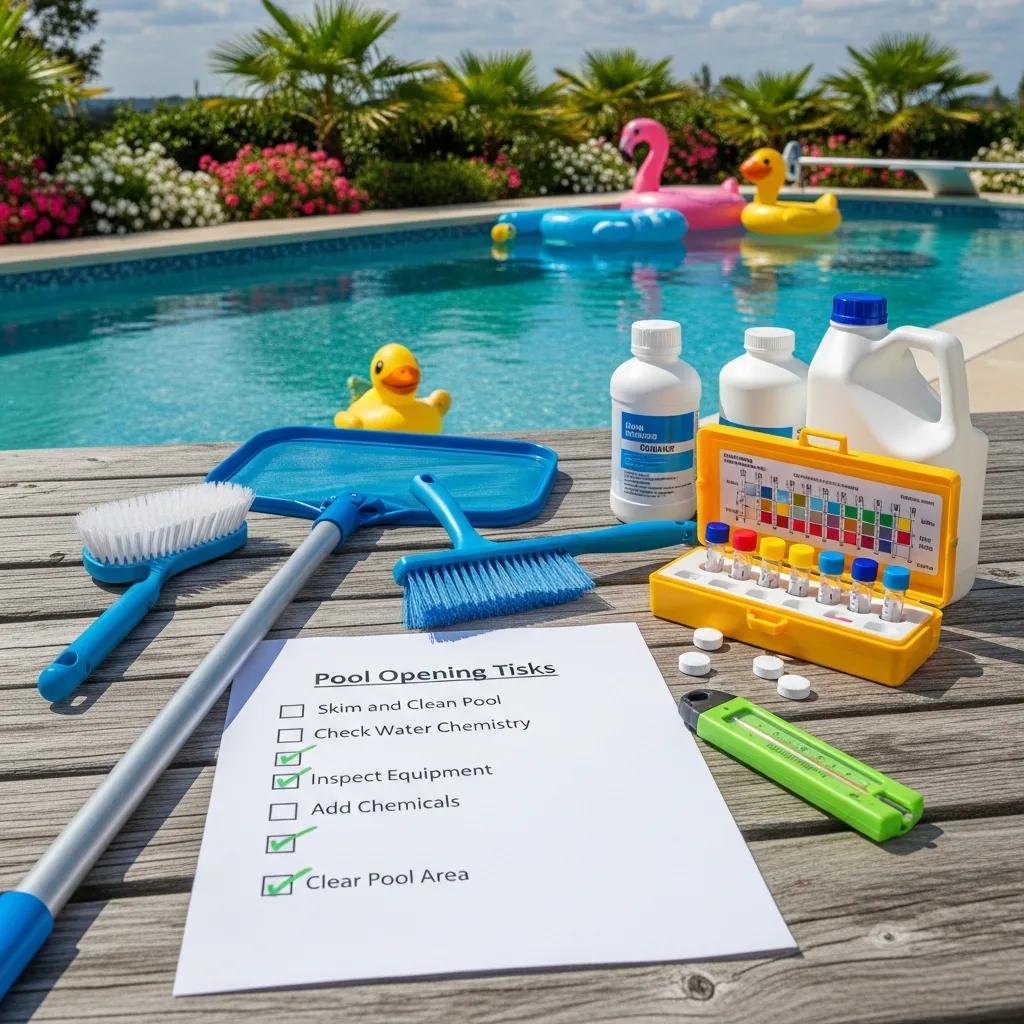
Having a comprehensive checklist can streamline the pool opening process and ensure nothing is overlooked. Here’s a detailed checklist for North Texas homeowners:
- Remove and Clean the Pool Cover: Carefully take off the winter cover, ensuring no debris falls into the pool. Clean the cover with a mild detergent and store it properly for the next winter.
- Inspect Pool Equipment: Check the pool pump, filter, and heater for any signs of wear or damage. Ensure all connections are secure and free of leaks.
- Test Water Chemistry: After filling the pool, test the water for pH, alkalinity, and chlorine levels to ensure they are within the recommended ranges.
- Fill the Pool: If the water level is low, fill the pool to the appropriate level, typically halfway up the skimmer.
- Start the Equipment: Reconnect and prime the pump and filter, ensuring they are functioning correctly.
How to Properly Remove and Clean Your Winter Pool Cover?
To remove and clean your winter pool cover, follow these steps:
- Remove Debris: Use a leaf blower or broom to clear off any leaves or debris from the cover.
- Drain Water: If there is standing water on the cover, use a submersible pump to remove it.
- Unfasten the Cover: Carefully unfasten the cover from the pool, ensuring not to let debris fall into the water.
- Clean the Cover: Use a mild detergent and a soft brush to clean the cover, then rinse it thoroughly before drying and storing.
Which Pool Equipment and Supplies Are Essential for Opening?
When preparing to open your pool, ensure you have the following essential equipment and supplies:
- Pool Skimmer: For removing debris from the water surface.
- Pool Brush: To scrub the walls and floor of the pool.
- Test Kit: For checking water chemistry levels.
- Chemicals: Chlorine, pH balancers, and algaecides to maintain water quality.
- Hoses and Fittings: For connecting equipment and filling the pool.
How Do You Prepare and Restart Pool Equipment for Summer Use?
Properly preparing and restarting your pool equipment is vital for a smooth transition into the summer season. This process involves several key steps to ensure everything is functioning correctly.
What Are the Steps to Reconnect and Prime Your Pool Pump and Filter?
To reconnect and prime your pool pump and filter, follow these steps:
- Reconnect Hoses: Ensure all hoses are securely connected to the pump and filter.
- Fill the Pump: Remove the pump lid and fill it with water to help prime the system.
- Turn on the Pump: Start the pump and check for any leaks around the connections.
- Check the Filter: Ensure the filter is clean and functioning properly before running the system.
How to Inspect and Test Pool Heaters and Accessories for North Texas Conditions?
Inspecting and testing your pool heater and accessories is essential for ensuring they operate efficiently. Here’s how to do it:
- Check Connections: Inspect all connections for leaks or wear.
- Test Heater Functionality: Turn on the heater and monitor its performance, ensuring it heats the water to the desired temperature.
- Inspect Accessories: Check any additional accessories, such as lights and automatic cleaners, to ensure they are in good working order.
How to Master Pool Water Chemistry for a Clear and Healthy Pool in North Texas?
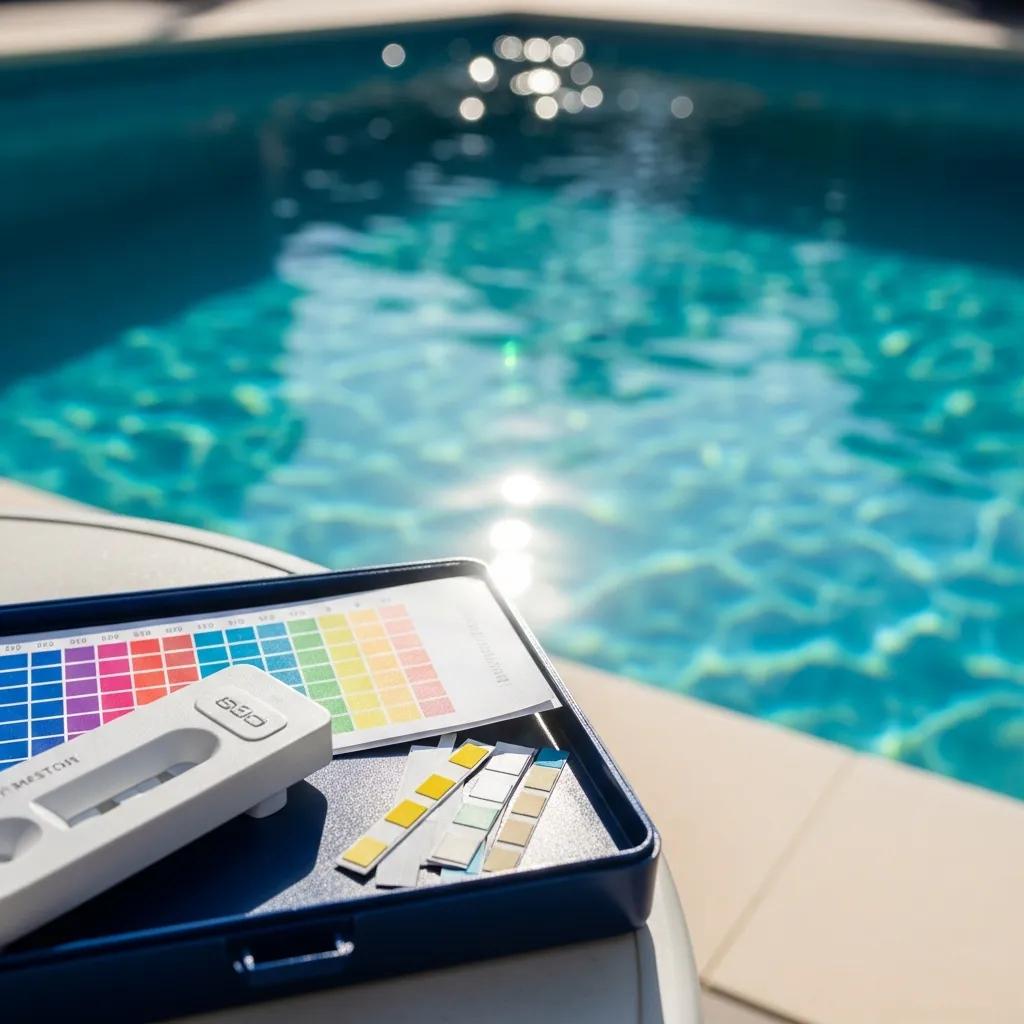
Maintaining proper water chemistry is crucial for a clear and healthy pool. This involves regularly testing and adjusting chemical levels to ensure optimal swimming conditions.
How to Test and Balance pH, Alkalinity, and Calcium Hardness Levels?
To test and balance your pool’s water chemistry, follow these steps:
- Test the Water: Use a test kit to measure pH, alkalinity, and calcium hardness levels.
- Adjust pH Levels: Aim for a pH level between 7.2 and 7.8. Use pH increaser or decreaser as needed.
- Balance Alkalinity: Maintain total alkalinity between 80-120 ppm using alkalinity increaser if necessary.
- Calcium Hardness: Ensure calcium hardness is between 200-400 ppm to prevent corrosion or scaling.
What Are the Best Practices for Shocking and Algae Prevention in North Texas Summers?
To keep your pool water clear and prevent algae growth, consider these best practices:
- Regular Shocking: Shock your pool every 1-2 weeks during peak summer months to eliminate contaminants.
- Maintain Chlorine Levels: Keep chlorine levels between 1-3 ppm for effective sanitation.
- Use Algaecide: Apply algaecide as a preventive measure, especially during hot weather.
What Are Common Pool Opening Problems and How Can You Troubleshoot Them?
Even with careful preparation, pool owners may encounter common issues during the opening process. Understanding these problems and their solutions can save time and frustration.
How to Clear Cloudy or Green Pool Water After Winter?
If your pool water appears cloudy or green, follow these steps to clear it:
- Shock the Pool: Add a chlorine shock treatment to kill algae and bacteria.
- Run the Filter: Keep the filter running continuously until the water clears.
- Brush the Walls: Use a pool brush to scrub the walls and floor, helping to remove algae.
What Are Typical Equipment Issues During Pool Startup and How to Fix Them?
Common equipment issues during startup can include:
- Pump Not Starting: Check for power supply issues or blockages in the pump.
- Leaking Filter: Inspect for cracks or loose fittings and replace as necessary.
- Heater Not Heating: Ensure the heater is properly connected and check for any error codes.
Should You Open Your Pool Yourself or Hire North Texas Pool Opening Services?
Deciding whether to open your pool yourself or hire professionals can depend on several factors, including your experience and the complexity of the task.
What Are the Pros and Cons of DIY Pool Opening in North Texas?
Opening your pool yourself has its advantages and disadvantages:
- Pros:
Cost Savings: Doing it yourself can save money on service fees.
Control: You have complete control over the process and can ensure everything is done to your standards.
Learning Experience: Gaining knowledge about your pool can be beneficial for future maintenance. - Cons:
Time-Consuming: The process can take several hours, especially if you are inexperienced.
Potential for Mistakes: Lack of experience may lead to errors that could affect water quality or equipment function.
Physical Labor: The task can be physically demanding, especially when handling heavy equipment.
How to Choose Professional Pool Opening Services in the DFW Area?
If you decide to hire professionals, consider these tips for selecting the right service:
- Check Reviews: Look for customer reviews and ratings to gauge the quality of service.
- Ask About Experience: Ensure the company has experience with pool openings in North Texas.
- Get Quotes: Obtain quotes from multiple services to compare pricing and offerings.
| Task | Description | Recommended Timing |
|---|---|---|
| Pool Cover Removal | Remove and clean the winter cover | Late March to Mid-April |
| Equipment Inspection | Check and prepare all pool equipment | Before filling the pool |
| Water Chemistry Testing | Test and balance water chemistry | After filling the pool |
| Shocking the Pool | Shock the pool to eliminate contaminants | Every 1-2 weeks during summer |
| Equipment | Maintenance Task | Frequency |
|---|---|---|
| Pool Pump | Check for leaks and functionality | Before opening |
| Filter | Clean and inspect for clogs | Before opening |
| Heater | Test for proper heating | Before opening |
By following these guidelines and utilizing the provided checklists, you can ensure a smooth and successful pool opening process, allowing you to enjoy your pool all summer long.