
Your Top Questions About Plunge Pools Answered: Comprehensive Guide to Definition, Costs, Benefits, Sizes, and Maintenance
Plunge pools have gained popularity as a compact and efficient alternative to traditional swimming pools, offering a unique blend of relaxation and functionality. This comprehensive guide aims to answer your top questions about plunge pools, including their definition, costs, benefits, sizes, and maintenance requirements. Many homeowners are looking for ways to enhance their outdoor spaces without the extensive commitment of a full-sized pool. Plunge pools provide a solution that combines aesthetics with practicality, making them an attractive option for small backyards or urban settings. In this article, we will explore what plunge pools are, how they differ from other small pools, their installation costs, typical sizes, benefits and drawbacks, maintenance tips, and the health benefits associated with cold plunge pools.
What Is a Plunge Pool and How Does It Differ from Other Small Pools?
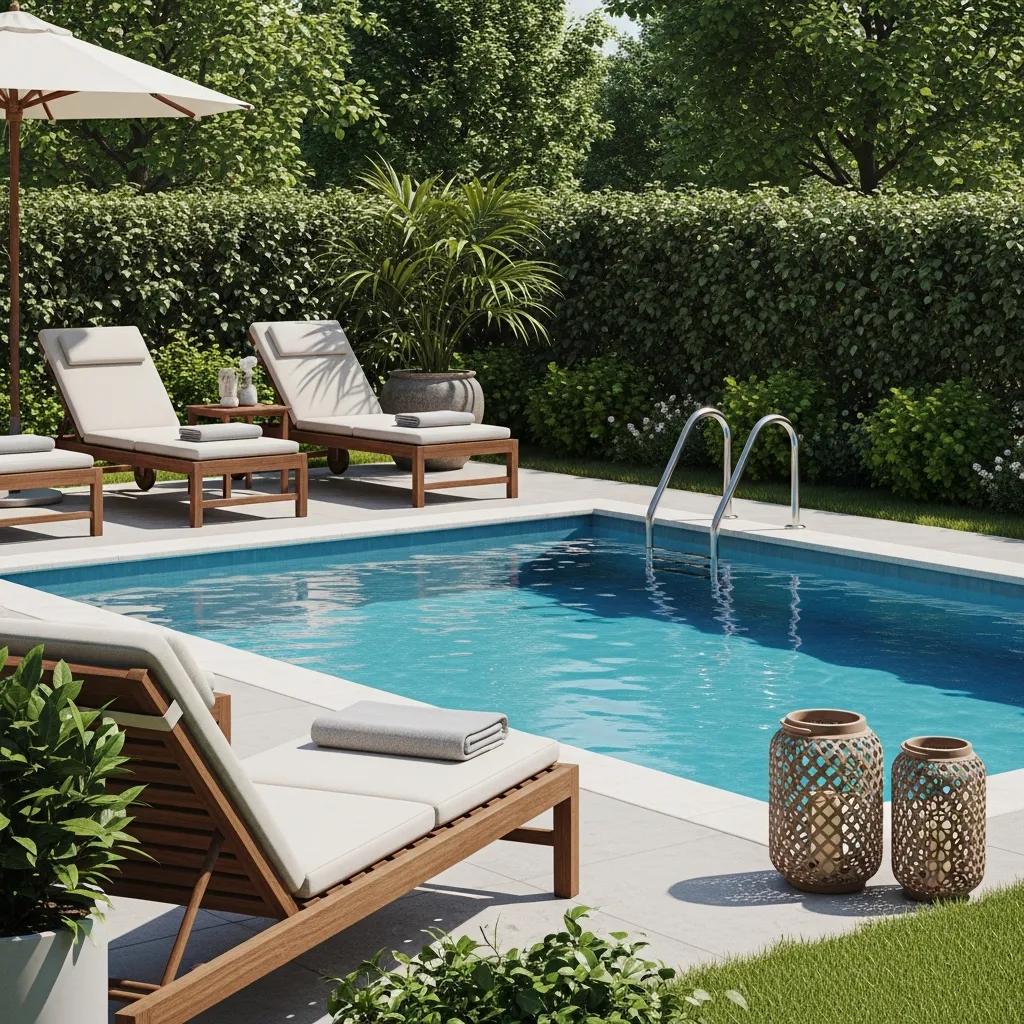
A plunge pool is a small, deep pool designed primarily for relaxation and cooling off rather than swimming. Unlike traditional swimming pools, plunge pools are typically smaller in surface area but often deeper, making them ideal for compact spaces. Their primary purpose is to provide a refreshing dip and a place for hydrotherapy, rather than extensive swimming activities. This unique design allows plunge pools to fit seamlessly into smaller backyards or patios, offering a luxurious experience without the need for a large area.
Definition and Purpose of a Plunge Pool
Plunge pools are characterized by their compact size and depth, usually ranging from 4 to 6 feet deep. They are designed for quick dips and relaxation rather than extensive swimming. The primary purpose of a plunge pool is to provide a refreshing escape from the heat, making them perfect for hot climates. Additionally, they can serve therapeutic purposes, such as hydrotherapy, which can aid in muscle recovery and relaxation.
Types of Plunge Pools: In-ground, Above-ground, Fiberglass, and Concrete
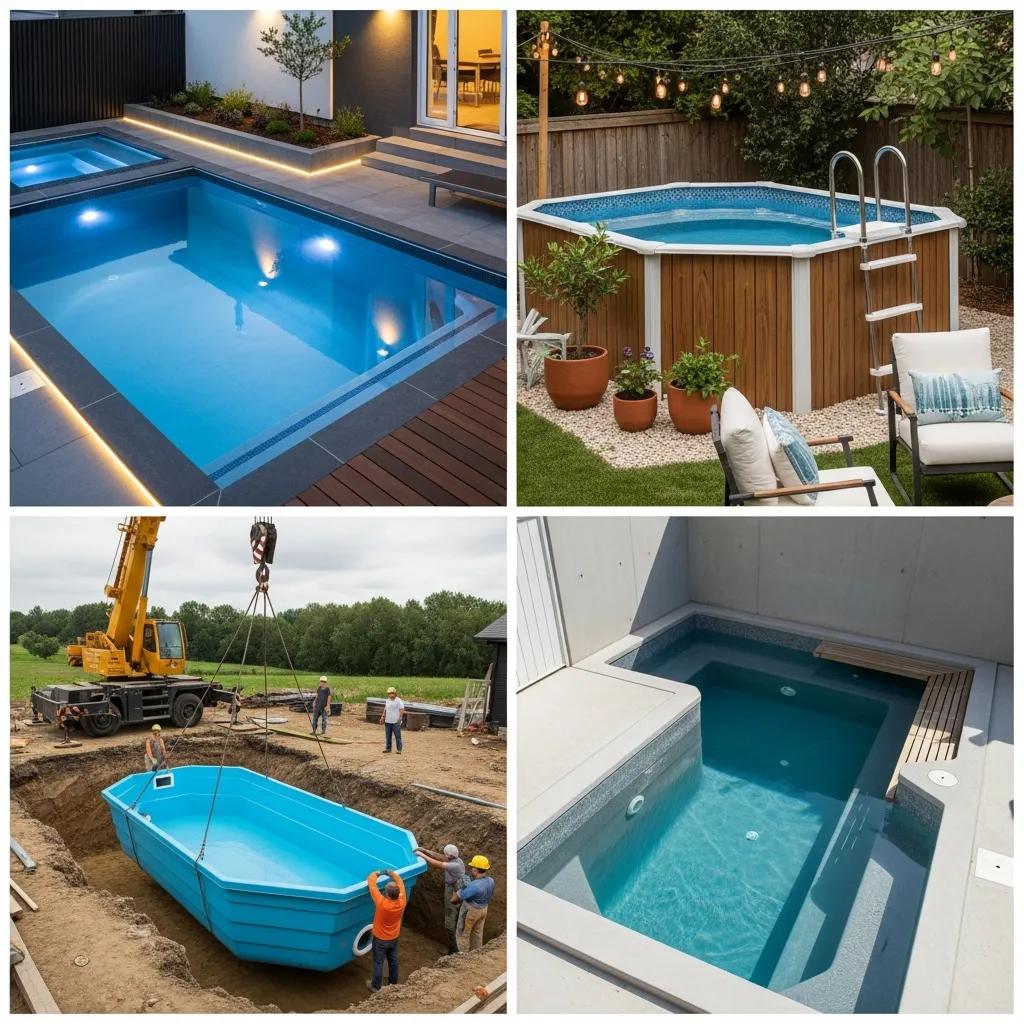
Plunge pools come in various types, each with distinct characteristics:
| Type | Description | Installation Method | Cost Implications |
|---|---|---|---|
| In-ground Plunge | Built into the ground, offering a permanent solution | Excavation and construction | Higher initial cost |
| Above-ground Plunge | Portable and easier to install | Simple assembly | Lower initial cost |
| Fiberglass Plunge | Pre-fabricated and quick to install | Minimal site preparation | Moderate cost |
| Concrete Plunge | Customizable and durable | Extensive construction | Higher cost, but long-lasting |
This variety allows homeowners to choose a plunge pool that best fits their space, budget, and aesthetic preferences.
How Much Does a Plunge Pool Cost? Installation, Materials, and Maintenance Expenses
The cost of a plunge pool can vary significantly based on several factors, including the type of pool, materials used, and installation complexity. Understanding these costs is essential for budgeting your plunge pool project.
Breakdown of Installation and Material Costs
| Type | Average Installation Cost | Material Cost Range |
|---|---|---|
| In-ground Plunge | $20,000 – $45,000 | $10,000 – $25,000 |
| Above-ground Plunge | $1,500 – $5,000 | $500 – $2,000 |
| Fiberglass Plunge | $15,000 – $25,000 | $5,000 – $12,000 |
| Concrete Plunge | $25,000 – $50,000 | $15,000 – $35,000 |
These costs reflect the average expenses associated with different types of plunge pools, including labor and materials.
Ongoing Maintenance and Operational Expenses
Maintaining a plunge pool involves several ongoing costs, including:
- Water Treatment: Regular chemical balancing and water testing to ensure safe swimming conditions.
- Cleaning Supplies: Tools and chemicals for maintaining cleanliness, such as skimmers and pool vacuums.
- Energy Costs: Depending on whether the pool is heated, energy costs can vary significantly.
Overall, homeowners can expect to spend between $300 and $1,200 annually on maintenance, depending on the pool type and usage.
What Are the Typical Sizes and Depths of Plunge Pools?
Plunge pools are designed to maximize utility in a compact space, making their sizes and depths crucial considerations for potential buyers.
Standard Dimensions and Custom Size Options
Standard plunge pool dimensions typically range from 8 to 12 feet in length and 6 to 8 feet in width. However, custom sizes are available to fit specific yard dimensions. Homeowners can choose dimensions that best suit their space while ensuring they meet local regulations.
| Dimension Option | Length (ft) | Width (ft) | Depth (ft) |
|---|---|---|---|
| Standard Size | 8 – 12 | 6 – 8 | 4 – 6 |
| Custom Size | Varies | Varies | Varies |
Custom plunge pools can be tailored to fit unique outdoor spaces, providing flexibility for homeowners.
Depth Requirements and Safety Considerations
The depth of a plunge pool is typically between 4 to 6 feet, which is sufficient for cooling off and relaxation. Safety considerations are paramount, especially for families with children. Installing safety features such as pool covers and alarms can help mitigate risks associated with plunge pools.
What Are the Benefits and Drawbacks of Owning a Plunge Pool?
Owning a plunge pool comes with several advantages and disadvantages that potential buyers should consider.
Advantages: Space-saving, Relaxation, Hydrotherapy, and Low Maintenance
- Space-saving: Plunge pools require less space than traditional pools, making them ideal for smaller yards.
- Relaxation: They provide a perfect spot for relaxation and unwinding after a long day.
- Hydrotherapy: The depth and design allow for therapeutic benefits, aiding in muscle recovery and stress relief.
- Low Maintenance: Smaller pools generally require less maintenance than larger swimming pools.
Limitations: Limited Swimming Space and Initial Investment
- Limited Swimming Space: Plunge pools are not suitable for swimming laps or extensive water activities.
- Initial Investment: While they may be less expensive than traditional pools, the initial investment can still be significant, especially for in-ground options.
How Do You Maintain a Plunge Pool? DIY vs. Professional Care and Chemical Balancing
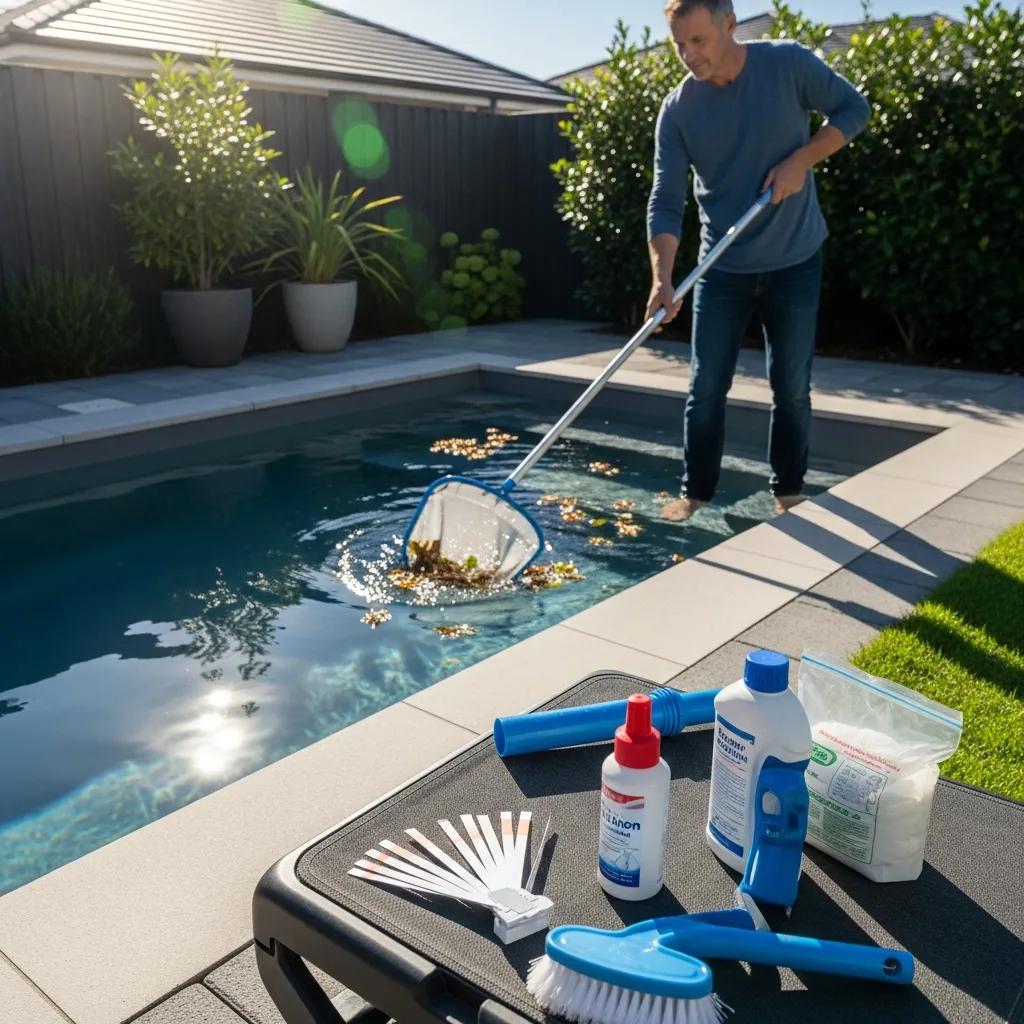
Maintaining a plunge pool is essential for ensuring its longevity and usability. Homeowners can choose between DIY maintenance or hiring professional services.
Step-by-Step Maintenance Guide: Filtration, Sanitization, and Cleaning
- Filtration: Ensure the filtration system is running efficiently to keep the water clean.
- Sanitization: Regularly test and balance the water chemistry to prevent algae and bacteria growth.
- Cleaning: Use a skimmer and vacuum to remove debris and maintain cleanliness.
Choosing Between DIY and Professional Maintenance Services
Homeowners can opt for DIY maintenance to save costs, but professional services can provide expertise and ensure thorough care. Weighing the pros and cons of each option is crucial for effective maintenance.
What Are the Health Benefits and Risks of Cold Plunge Pools?
Cold plunge pools offer unique health benefits, particularly for recovery and wellness.
Health Benefits: Improved Circulation, Reduced Inflammation, and Stress Relief
Cold plunge pools can enhance circulation, reduce inflammation, and provide stress relief. The cold water stimulates blood flow, which can aid in muscle recovery after exercise. Additionally, regular use can promote mental well-being by reducing stress levels.
Safety Guidelines and Potential Risks of Cold Plunges
While cold plunge pools offer benefits, safety guidelines should be followed to mitigate risks. Individuals with certain health conditions, such as cardiovascular issues, should consult a physician before using cold plunge pools. Additionally, it’s essential to limit exposure time to prevent hypothermia.