
Frequently Asked Questions About Custom Pool Construction: Comprehensive Cost, Design, Builder Selection, and Process Guide
Custom pool construction is a significant investment that can transform your outdoor living space into a luxurious retreat. Understanding the intricacies of the construction process, costs involved, and design options is crucial for homeowners considering this enhancement. This comprehensive guide addresses frequently asked questions about custom pool construction, providing insights into costs, financing options, timelines, builder selection, design ideas, and maintenance requirements. Many homeowners face uncertainty regarding the financial and logistical aspects of building a custom pool. This article aims to clarify these concerns, offering a roadmap through the complexities of custom pool construction. We will explore typical costs and financing options, the construction timeline, how to choose the right builder, popular design ideas, and ongoing maintenance considerations.
What Are the Typical Costs and Financing Options for Custom Pool Construction?
The costs associated with custom pool construction can vary widely based on several factors, including the type of pool, materials used, and additional features. Understanding these costs is essential for budgeting effectively.
How Much Does Building a Custom Pool Usually Cost and What Factors Influence It?
Building a custom pool typically ranges from $35,000 to $100,000 or more, depending on various factors. Key influences on cost include:
- Type of Pool: Gunite pools tend to be more expensive due to their durability and customization options, while fiberglass pools are generally more affordable.
- Size and Depth: Larger pools with deeper sections require more materials and labor, increasing overall costs.
- Materials: The choice of materials for the pool shell, decking, and finishes can significantly impact the budget.
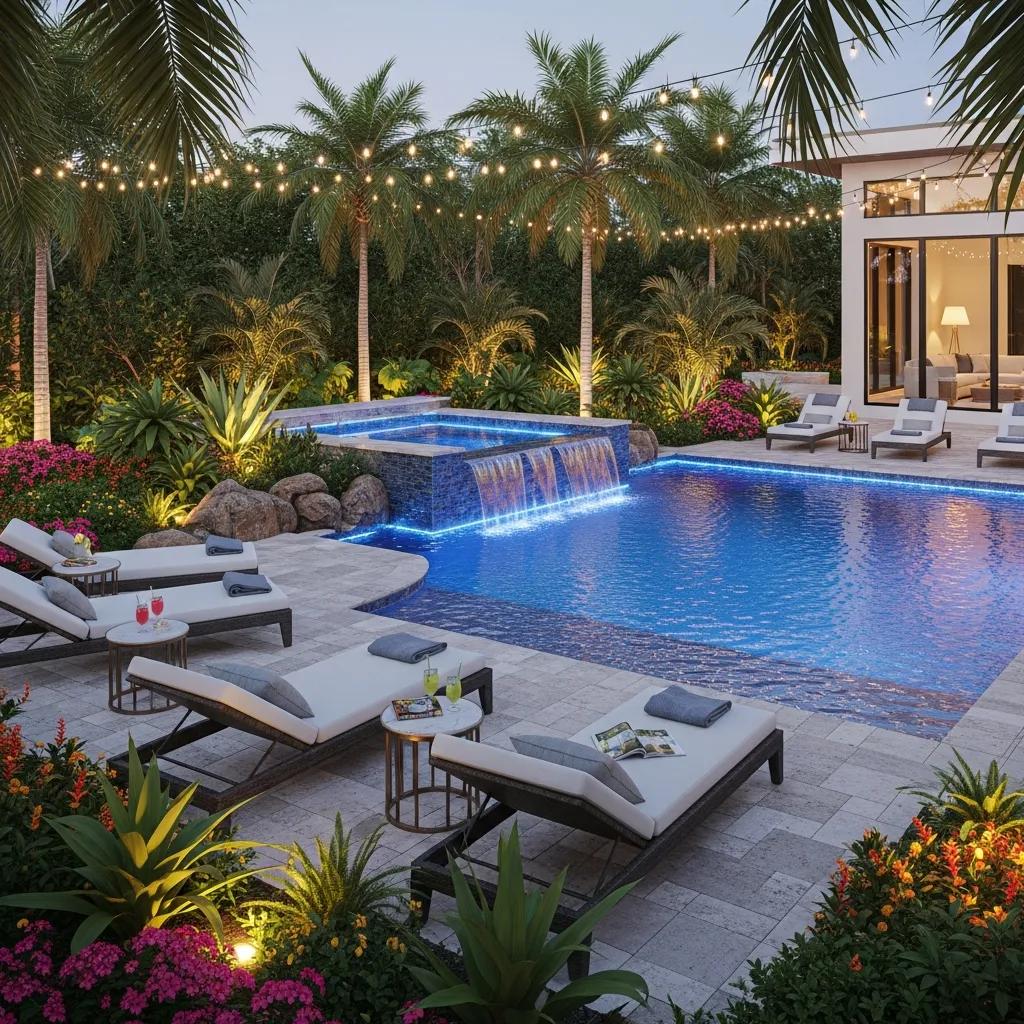
- Features: Additional features such as waterfalls, LED lighting, and automation systems can enhance the pool’s appeal but also add to the cost.
Understanding these factors helps homeowners make informed decisions about their custom pool projects.
What Financing Solutions Are Available for Custom Pool Projects?
Several financing options are available for homeowners looking to build a custom pool. These include:
- Home Equity Loans: Utilizing the equity in your home can provide a low-interest option for financing your pool.
- Personal Loans: Unsecured personal loans can be a quick way to fund your project, though they may come with higher interest rates.
- Pool Financing Companies: Specialized lenders offer financing specifically for pool construction, often with flexible terms and competitive rates.
- Credit Cards: For smaller projects or initial payments, credit cards can be a convenient option, but be cautious of high-interest rates.
Exploring these financing solutions can help homeowners find the best fit for their financial situation.
How Long Does the Custom Pool Building Process Take and What Are the Key Construction Steps?
The timeline for building a custom pool can vary based on the project’s complexity and local regulations. Understanding the key steps involved can help set realistic expectations.
What Are the Main Phases in the Custom Pool Construction Timeline?
- Design and Planning: This initial phase includes consultations with designers and obtaining necessary permits, which can take several weeks.
- Excavation: Once plans are finalized, excavation begins, usually taking a few days to a week, depending on the pool’s size and soil conditions.
- Installation: This phase includes installing the pool shell, plumbing, and electrical systems, which can take 3-6 weeks depending on complexity.
- Finishing Touches: The final phase involves adding decking, landscaping, and any additional features, which can take another few weeks.
Overall, the entire process can take anywhere from 8 to 16 weeks, depending on various factors.
How Do Permits and Regulations Affect the Pool Construction Schedule?
Permits and local regulations can significantly impact the construction schedule. Homeowners must obtain the necessary permits before construction begins, which can take time depending on local government processes. Common regulatory hurdles include:
- Zoning Laws: Ensuring the pool complies with local zoning regulations can delay the project.
- Building Codes: Adhering to safety and construction codes is essential and may require inspections at various stages.
- Environmental Regulations: In some areas, environmental assessments may be necessary, particularly if the pool impacts local ecosystems.
Understanding these regulations can help homeowners navigate the permitting process more efficiently.
How Do I Choose the Right Pool Builder for My Custom Pool Project?
What Questions Should I Ask When Selecting a Pool Contractor?
- Experience: How long have you been in the pool construction business?
- Portfolio: Can you provide examples of previous projects similar to mine?
- Licensing and Insurance: Are you licensed and insured to operate in my area?
- Timeline: What is the estimated timeline for my project?
- Warranty: What warranties do you offer on your work and materials?
These questions can help gauge the contractor’s expertise and reliability.
Why Are Licensing, Insurance, and References Important in Choosing a Pool Builder?
Licensing and insurance are critical factors in selecting a pool builder. A licensed contractor demonstrates compliance with local regulations and industry standards, while insurance protects homeowners from liability in case of accidents during construction. Additionally, checking references and reviews from previous clients can provide valuable insights into the builder’s quality of work and customer service. Ensuring these credentials can help mitigate risks associated with pool construction.
What Are Popular Custom Pool Design Ideas and Features to Consider?
Which Pool Shapes, Sizes, and Styles Are Trending in Custom Pool Design?
Current trends in custom pool design include:
- Geometric Shapes: Rectangular and square pools are popular for their modern aesthetic and efficient use of space.
- Natural Designs: Pools that mimic natural bodies of water, with organic shapes and landscaping, are increasingly sought after.
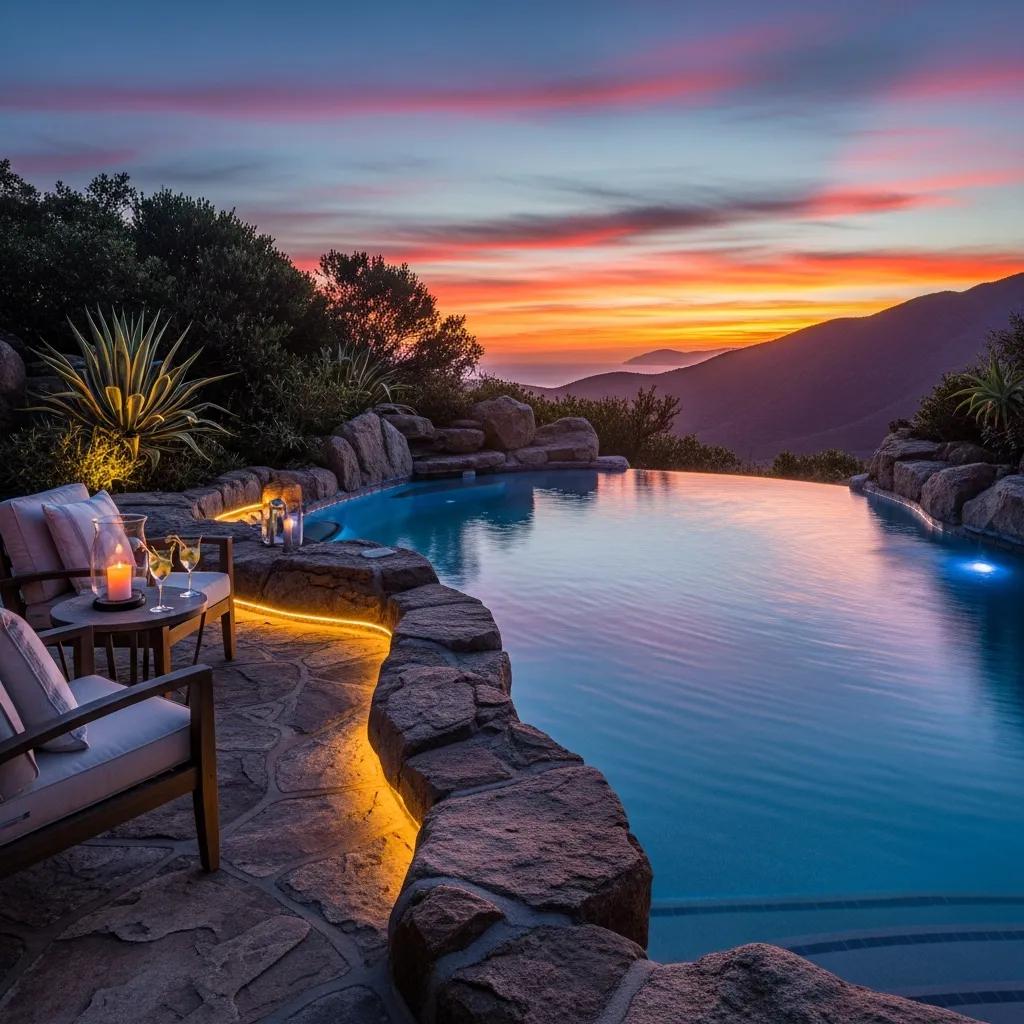
- Infinity Pools: These pools create a stunning visual effect by blending seamlessly with the horizon, ideal for properties with scenic views.
These design trends can enhance the overall appeal of your outdoor space.
What Luxury Features and Technologies Can Enhance a Custom Pool?
Incorporating luxury features can elevate your custom pool experience. Consider these options:
- Waterfalls: Adding a waterfall feature can create a serene ambiance and enhance the pool’s visual appeal.
- LED Lighting: Color-changing LED lights can transform the pool area at night, providing a stunning atmosphere for gatherings.
- Automation Systems: Smart technology allows for remote control of pool functions, including heating, lighting, and cleaning, enhancing convenience and efficiency.
These features not only improve aesthetics but also increase the functionality of your pool.
What Does Ongoing Maintenance for a Custom Pool Involve and How Much Does It Cost?
Maintaining a custom pool is essential for ensuring its longevity and enjoyment. Understanding maintenance requirements can help homeowners plan accordingly.
What Are Essential Pool Maintenance Tasks and Their Frequency?
Regular maintenance tasks include:
- Cleaning: Skimming debris and vacuuming the pool should be done weekly to keep the water clear.
- Chemical Balancing: Testing and adjusting chemical levels, such as pH and chlorine, should occur weekly to ensure safe swimming conditions.
- Filter Maintenance: Cleaning or replacing filters is necessary every 1-3 months, depending on usage.
Establishing a maintenance schedule can help keep your pool in optimal condition.
How Can I Prevent Common Pool Problems Like Algae and Equipment Wear?
Preventative measures are crucial for avoiding common pool issues. Consider these strategies:
- Regular Testing: Consistently testing water chemistry can prevent algae growth and ensure a safe swimming environment.
- Proper Filtration: Ensuring the filtration system operates efficiently can reduce wear and tear on equipment.
- Seasonal Maintenance: Preparing the pool for seasonal changes, such as winterizing, can prevent damage during off-seasons.
Implementing these practices can help maintain your pool’s health and functionality.