
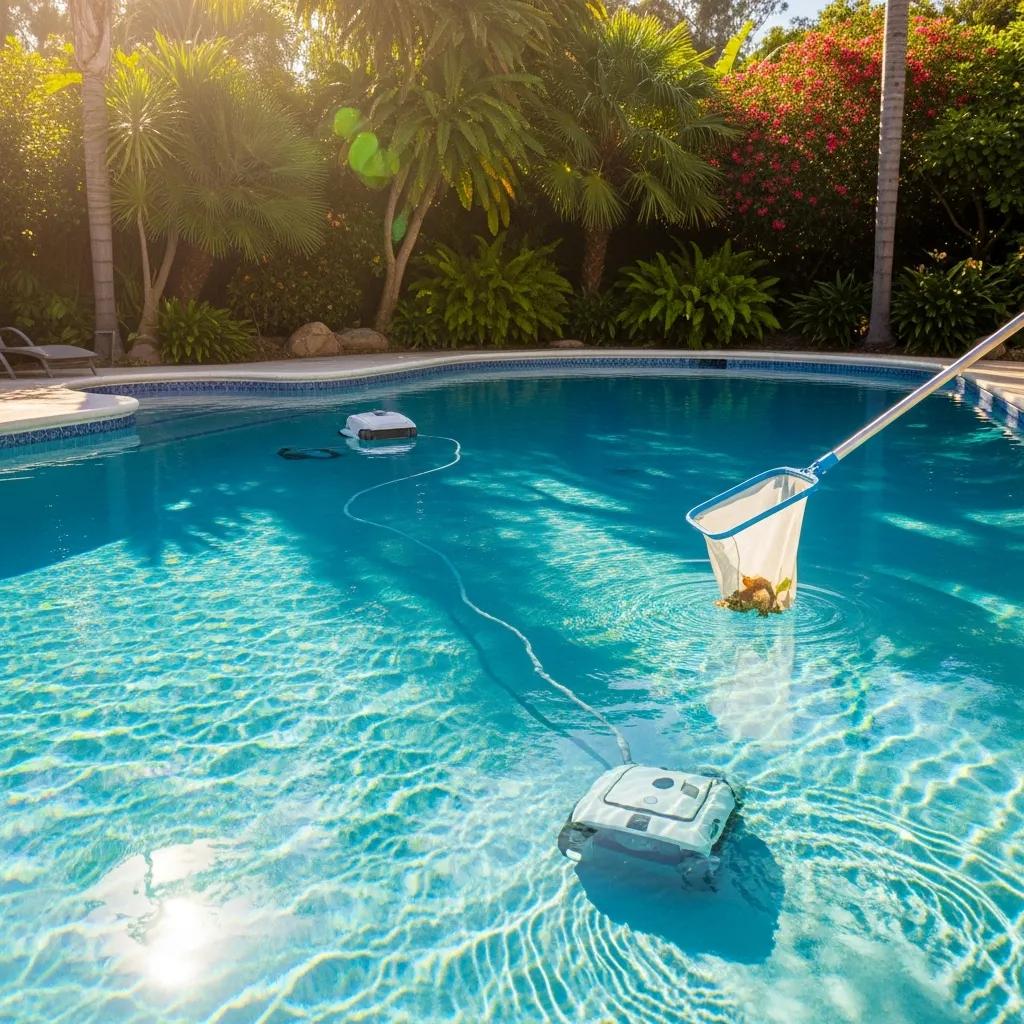
Complete Pool Vacuuming Guide: Master Effective Pool Cleaning & Maintenance Techniques
Maintaining a clean pool is essential for ensuring water quality and the overall health of your swimming environment. This comprehensive guide will delve into effective pool cleaning and vacuuming techniques, providing you with the knowledge to keep your pool sparkling clean. Regular pool cleaning not only enhances the aesthetic appeal but also prevents the growth of harmful algae and bacteria, ensuring a safe swimming experience. In this article, we will explore the importance of regular pool cleaning, the best skimming techniques, vacuuming methods, essential maintenance checklists, and troubleshooting common pool cleaning problems. By the end, you will be equipped with practical tips and strategies to maintain your pool effectively.
Why Is Regular Pool Cleaning Essential for Water Quality and Pool Health?
Regular pool cleaning is crucial for maintaining optimal water quality and ensuring the health of your pool. It prevents the accumulation of debris, which can lead to algae growth and other water quality issues. Clean pools not only look inviting but also provide a safe environment for swimmers. By implementing a consistent cleaning routine, you can significantly reduce the risk of waterborne illnesses and enhance the longevity of your pool equipment.
How Does Pool Cleaning Prevent Algae and Debris Build-Up?
Pool cleaning prevents algae and debris build-up by removing organic matter and contaminants that can foster algae growth. Algae thrive in warm, stagnant water, and without regular cleaning, they can quickly multiply, turning your pool green. By skimming the surface and vacuuming the pool floor, you eliminate food sources for algae, thereby maintaining clear and healthy water. Additionally, regular cleaning helps to circulate the water, which is essential for effective chemical distribution and filtration.
What Are the Key Tools Needed for Effective Pool Cleaning?
To maintain a clean pool, several essential tools are required. These include:
- Pool Skimmer: Used for removing leaves and debris from the water surface.
- Vacuum Head: Attaches to a telescopic pole for manual vacuuming of the pool floor.
- Telescopic Pole: Allows you to reach different areas of the pool while using various cleaning tools.
- Vacuum Hose: Connects the vacuum head to the pool’s filtration system or dedicated vacuum line for effective debris removal.
- Pool Brush: Helps scrub the walls and floor to remove stubborn dirt and algae.
What Are the Best Pool Skimming Techniques for a Crystal-Clear Surface?
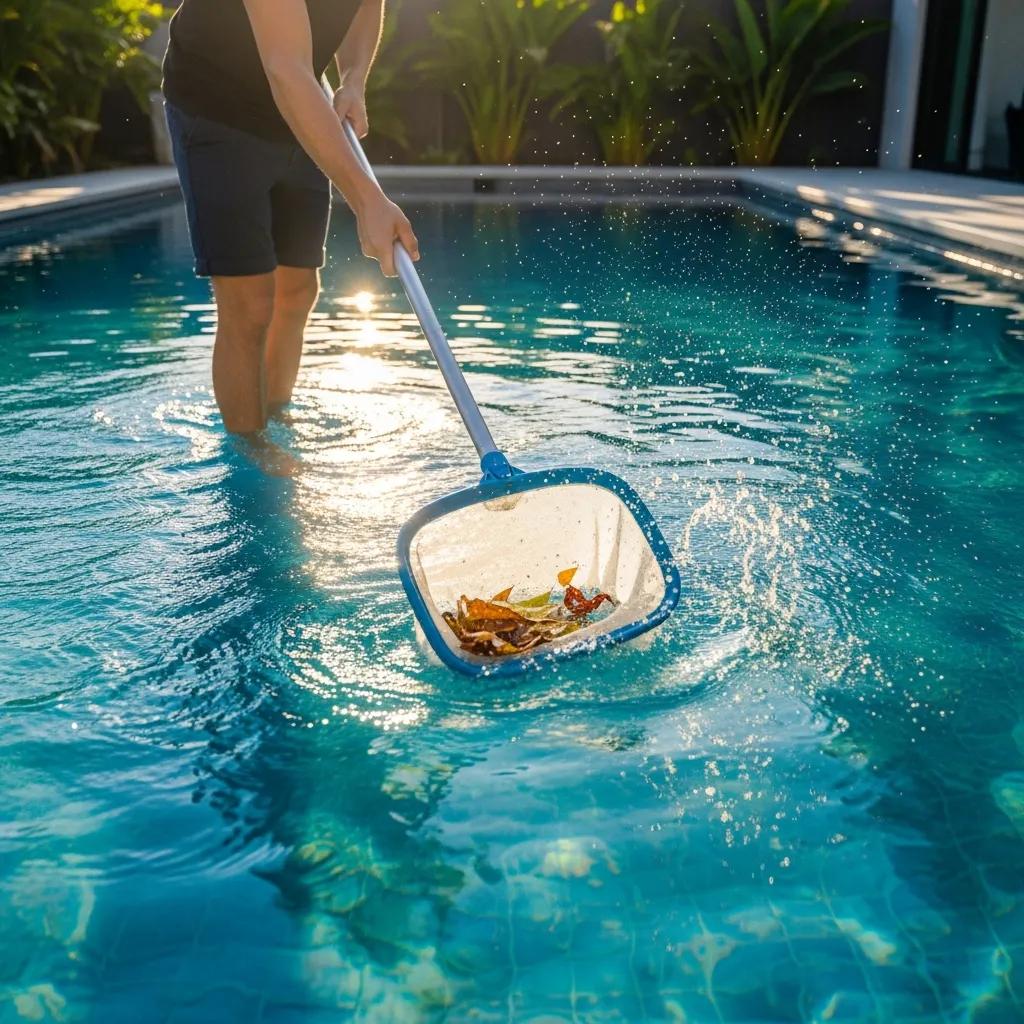
Skimming is a vital part of pool maintenance that helps keep the water surface clear of debris. Implementing effective skimming techniques can significantly enhance the cleanliness of your pool.
How to Perform a Daily Skimming Routine to Remove Surface Debris?
- Choose the Right Time: Skim the pool in the morning or evening when the sun is not directly overhead.
- Use a Pool Skimmer: Move the skimmer slowly across the surface to catch leaves and debris without pushing them around.
- Check the Skimmer Basket: Regularly empty the skimmer basket to ensure optimal performance and prevent clogging.
By adhering to this routine, you can effectively remove surface debris and maintain a crystal-clear pool.
Which Advanced Skimming Strategies Improve Efficiency?
To improve skimming efficiency, consider these advanced strategies:
- Wind Direction Awareness: Skim against the wind to prevent debris from blowing back into the pool.
- Skimmer Basket Maintenance: Regularly clean the skimmer basket to enhance water flow and skimming effectiveness.
- Utilize Technology: Invest in automatic pool skimmers that can operate independently, ensuring consistent surface cleaning.
These strategies can help streamline your skimming process and maintain a cleaner pool with less effort.
How to Vacuum Your Pool: Manual and Robotic Methods Compared
Vacuuming is essential for removing dirt and debris that settle on the pool floor. Understanding the differences between manual and robotic vacuuming methods can help you choose the best option for your needs.
What Are the Steps for Manual Pool Vacuuming?
- Prepare the Equipment: Assemble the vacuum head, telescopic pole, and vacuum hose.
- Connect to the Skimmer or Dedicated Vacuum Line: Attach the vacuum hose to the skimmer or a dedicated vacuum line, depending on your pool setup.
- Begin Vacuuming: Move the vacuum head slowly across the pool floor, overlapping each pass to ensure thorough cleaning.
- Check for Clogs: Periodically check the hose for clogs to maintain suction power.
This method allows for targeted cleaning of specific areas, ensuring a thorough vacuuming process.
What Are the Benefits and Features of Robotic Pool Cleaners?
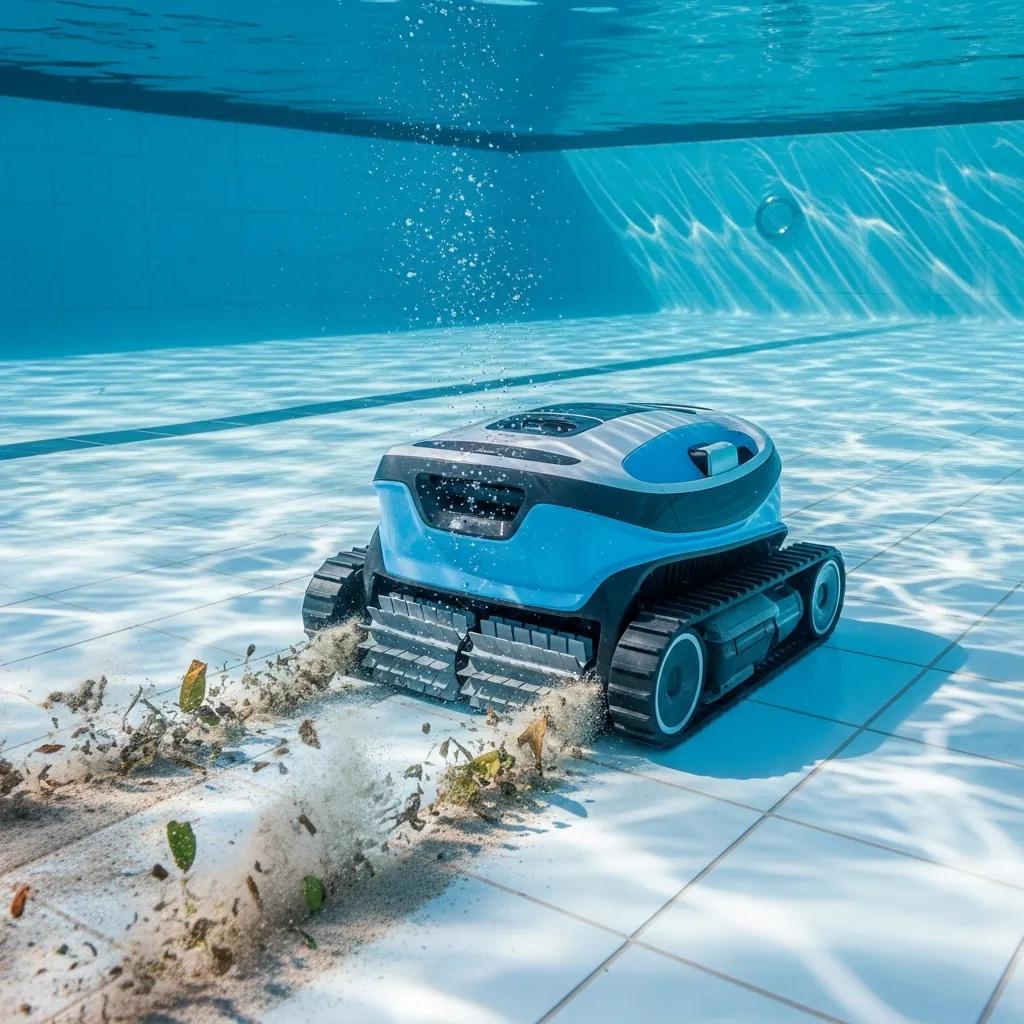
Robotic pool cleaners offer several advantages over manual methods:
- Automation: They operate independently, allowing you to focus on other tasks while they clean.
- Efficiency: Robotic cleaners can navigate the pool’s shape and size, ensuring comprehensive coverage.
- Energy Savings: Many models are designed to be energy-efficient, reducing overall electricity costs.
Investing in a robotic pool cleaner can save you time and effort while maintaining a clean pool.
How to Maintain Your Pool: Essential Cleaning and Water Chemistry Checklist
Regular maintenance is key to keeping your pool in optimal condition. A comprehensive checklist can help you stay organized and ensure that no tasks are overlooked.
What Are the Daily, Weekly, and Seasonal Pool Maintenance Tasks?
- Daily Tasks:
Skim the surface for debris.Check and adjust water levels.Test water chemistry for pH and chlorine levels. - Weekly Tasks:
Vacuum the pool floor.Brush the walls and tiles.Clean the skimmer and pump baskets. - Seasonal Tasks:
Inspect and clean the pool filter.Check for leaks and repair as needed.Winterize the pool if not in use or prepare for seasonal changes.
How to Balance Pool Water Chemistry for Optimal Cleanliness?
Maintaining proper water chemistry is crucial for a clean and safe swimming environment. Key factors to monitor include:
- pH Levels: Aim for a pH between 7.2 and 7.8 to ensure effective chlorine performance.
- Chlorine Levels: Maintain a free chlorine level of 1-3 ppm to effectively kill bacteria and algae.
- Alkalinity: Keep total alkalinity between 80-120 ppm to stabilize pH levels.
Regular testing and adjustment of these parameters will help keep your pool water clean and safe for swimming.
How to Troubleshoot Common Pool Cleaning Problems Effectively?
Even with regular maintenance, pool cleaning issues can arise. Knowing how to troubleshoot these problems can save you time and effort.
What Causes Cloudy Water and How Can You Fix It?
Cloudy water can result from several factors, including:
- Poor Filtration: Ensure the filter is clean and functioning properly.
- Chemical Imbalance: Test and adjust pH and chlorine levels as needed.
- Debris Accumulation: Regularly skim and vacuum to remove organic matter.
By addressing these issues promptly, you can restore clarity to your pool water.
How to Prevent and Remove Algae Spots on Pool Surfaces?
Algae spots can be a persistent problem in pools. To prevent and remove them:
- Regular Cleaning: Maintain a consistent cleaning schedule to remove debris and prevent algae growth.
- Shock Treatment: Use a chlorine shock treatment to kill existing algae and prevent future growth.
- Brush Surfaces: Regularly brush pool surfaces to dislodge algae and improve chemical distribution.
Implementing these strategies will help keep your pool surfaces clean and free from algae.
| Tool | Purpose | Frequency |
|---|---|---|
| Pool Skimmer | Surface debris removal | Daily |
| Vacuum Head | Floor cleaning | Weekly |
| Pool Brush | Wall scrubbing | Weekly |
| Water Test Kit | Chemical balance | Daily |
Maintaining a clean pool requires diligence and the right techniques. By following the guidelines outlined in this article, you can ensure your pool remains a safe and enjoyable environment for all swimmers.