
Pool Landscape Design: How to Create Seamless Outdoor Living Spaces with Integrated Pools
Creating a harmonious outdoor living space that integrates a pool with landscape design can transform your backyard into a personal oasis. This article will guide you through the essential principles of pool and landscape integration, offering insights into design ideas, materials, and plants that enhance both aesthetics and functionality. Many homeowners struggle with achieving a cohesive look that balances the pool’s presence with the surrounding landscape. By understanding the key elements of design, you can create a space that not only looks beautiful but also serves your lifestyle needs. We will explore the principles of integration, landscaping ideas for various backyard sizes, hardscaping materials, ideal plants for poolside areas, the role of water features, and sustainable design practices.
What Are the Key Principles of Pool and Landscape Integration?
The key principles of pool and landscape integration focus on creating a cohesive and functional outdoor space. This involves harmonizing the pool’s design with the surrounding landscape to enhance both aesthetics and usability. Key considerations include the selection of materials, the arrangement of plants, and the overall layout of the space. By prioritizing these elements, homeowners can achieve a seamless transition between the pool and its environment, ensuring that both aspects complement each other beautifully.
How Does Landscape Design Enhance Pool Aesthetics and Functionality?
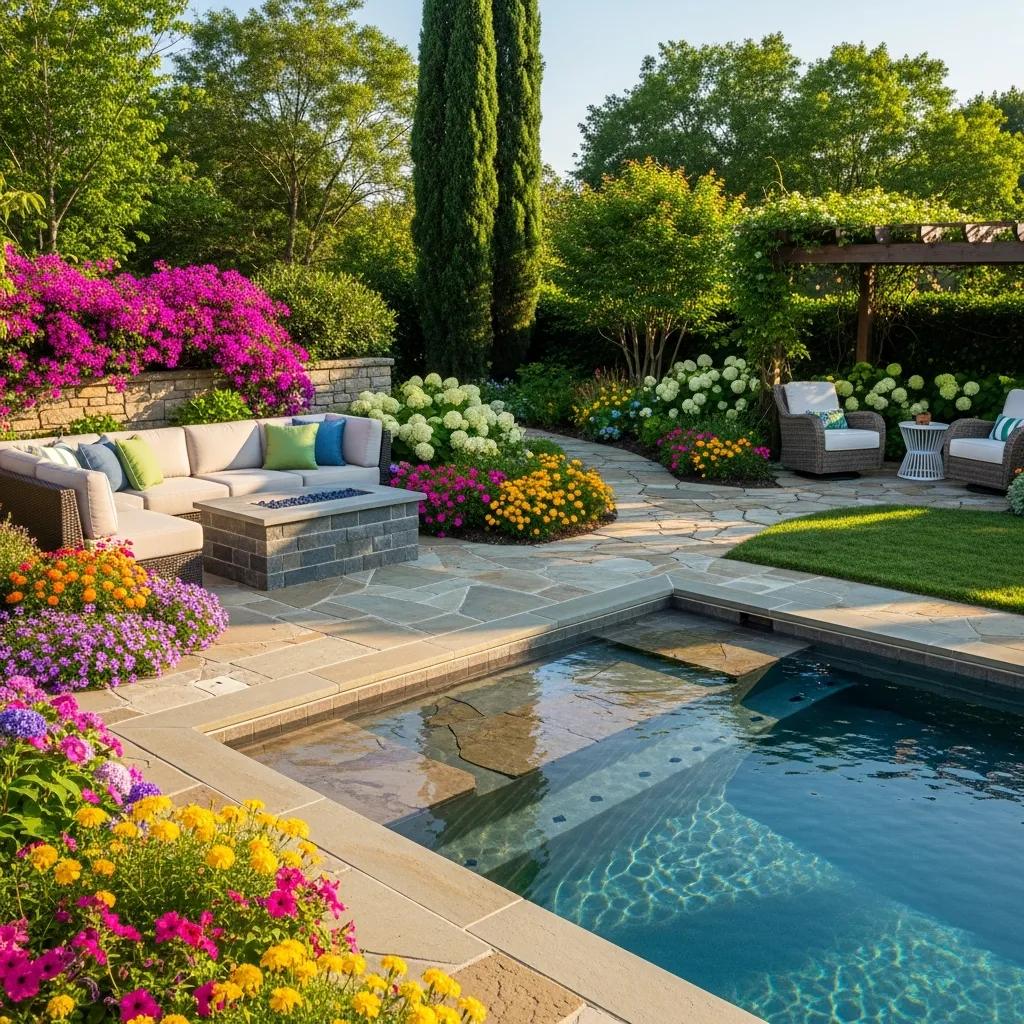
Landscape design plays a crucial role in enhancing the aesthetics and functionality of a pool area. Thoughtfully chosen plants and features can create visual interest, provide shade, and improve privacy. For instance, incorporating flowering plants around the pool can add vibrant colors, while strategically placed trees can offer shade during hot summer days. Additionally, landscape design can improve the usability of the space, making it more inviting for gatherings and relaxation.
Which Materials and Plants Best Complement Pool Areas?
Selecting the right materials and plants is essential for creating a cohesive poolside environment. Durable materials such as natural stone, travertine, and stamped concrete not only enhance the visual appeal but also withstand the elements. When it comes to plants, choosing native and drought-tolerant species can reduce maintenance while providing a lush, vibrant backdrop for the pool. Examples include ornamental grasses, succulents, and flowering shrubs that thrive in poolside conditions.
What Are the Best Pool Landscaping Ideas for Different Backyard Sizes and Styles?
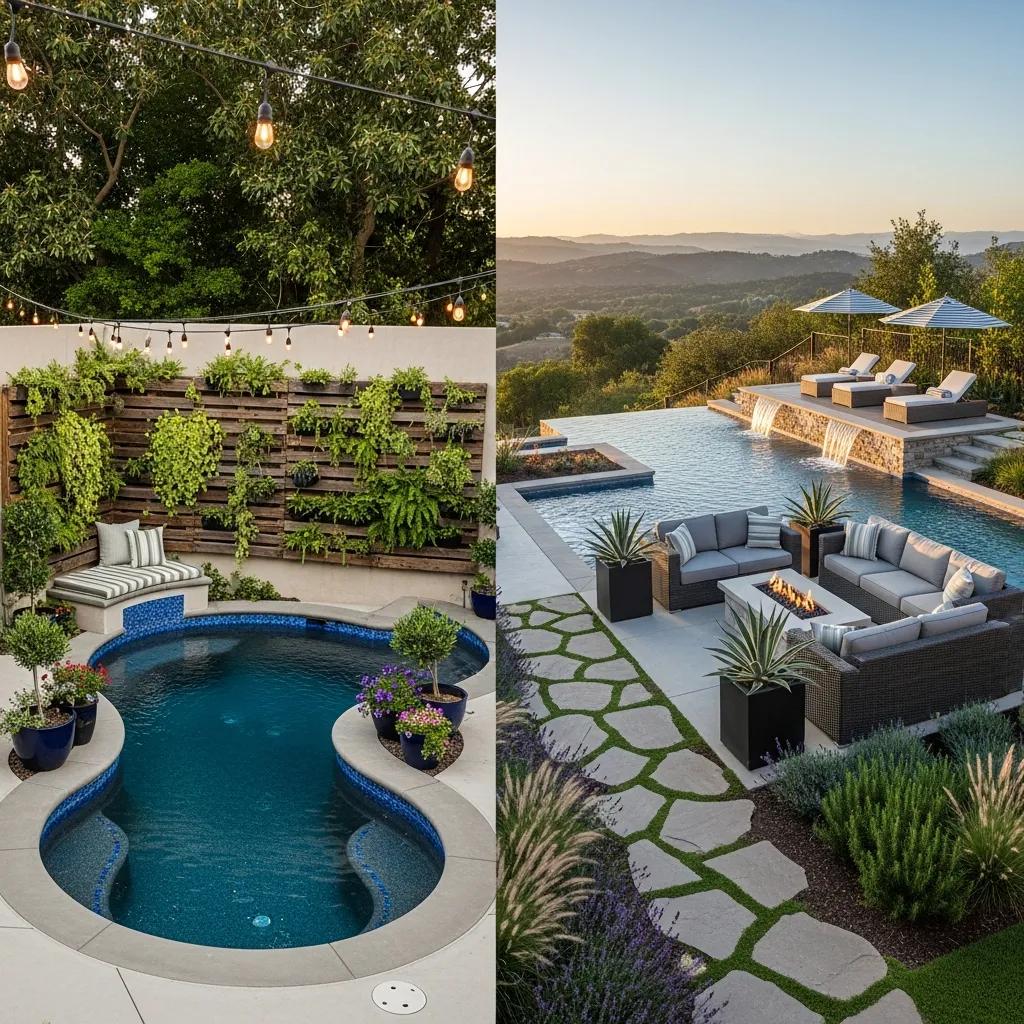
When designing a pool landscape, it’s important to consider the size and style of your backyard. Different approaches can be taken to maximize the space and create a visually appealing environment. For smaller backyards, vertical gardening and compact plant selections can create a lush feel without overwhelming the area. In contrast, larger spaces can accommodate expansive gardens, water features, and seating areas that enhance the overall experience.
How to Design Modern, Tropical, and Rustic Poolside Gardens?
Designing a poolside garden can vary significantly based on the desired aesthetic. Modern designs often feature clean lines, minimalistic plantings, and hardscaping elements that create a sleek look. Tropical gardens, on the other hand, embrace lush foliage, vibrant flowers, and natural materials to evoke a vacation-like atmosphere. Rustic designs incorporate natural stone, native plants, and organic shapes to blend seamlessly with the surrounding environment. Each style offers unique opportunities for creativity and personalization.
What Are Effective Solutions for Small Backyard Pool Integration?
Integrating a pool into a small backyard can be challenging, but there are effective solutions to maximize the space. Consider using a plunge pool, which takes up less room while still providing a refreshing escape. Additionally, multi-functional furniture, such as benches with storage, can help maintain a clean and organized look. Vertical gardens and climbing plants can also add greenery without consuming valuable ground space.
How to Choose and Use Hardscaping Materials for Pool Decks and Surroundings?
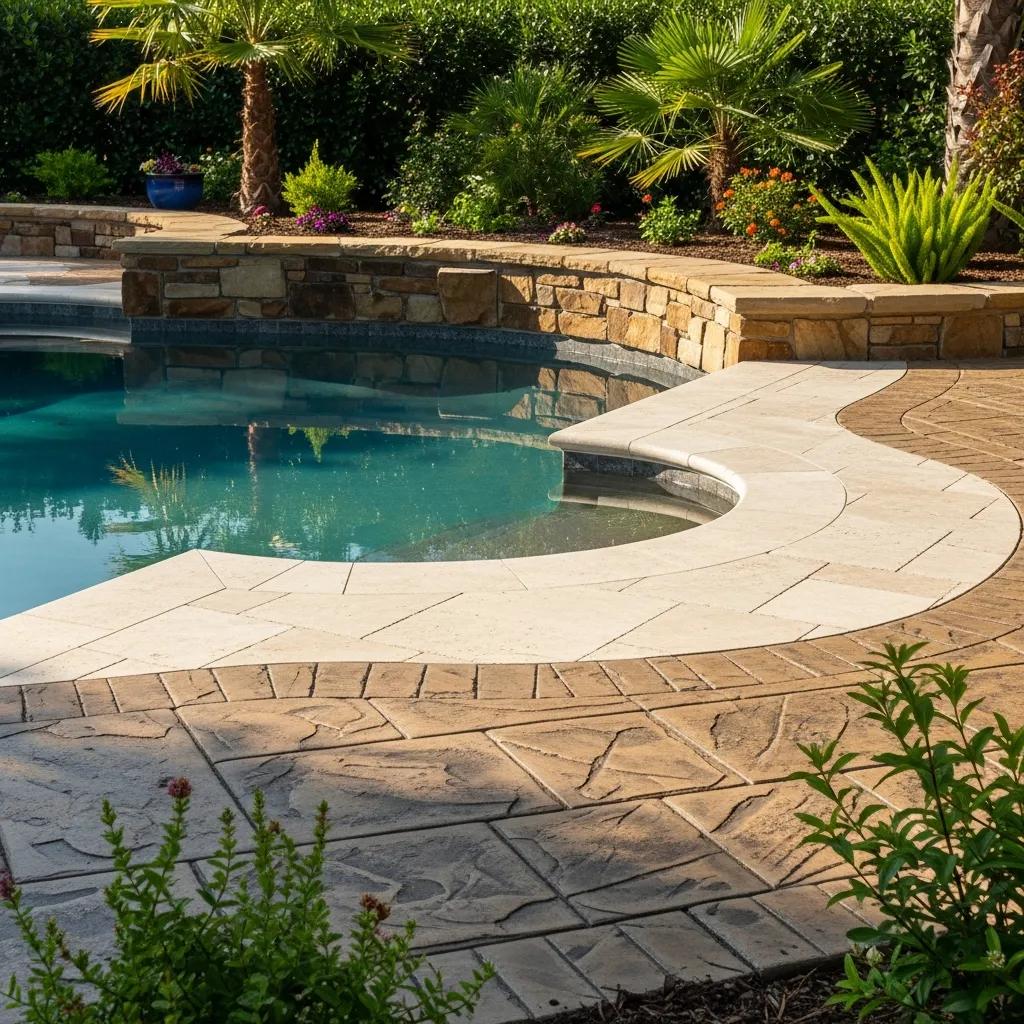
Choosing the right hardscaping materials is vital for creating a functional and attractive pool area. The materials selected should not only complement the pool’s design but also provide safety and durability. Options like natural stone and stamped concrete offer both aesthetic appeal and resilience against weather conditions.
What Are the Benefits of Natural Stone, Travertine, and Stamped Concrete?
Natural stone, travertine, and stamped concrete each offer unique benefits for poolside applications. Natural stone provides a timeless look and excellent durability, making it a popular choice for upscale designs. Travertine is known for its slip-resistant properties and remains cool underfoot, making it safe and comfortable for wet areas. Stamped concrete allows for a wide range of design options, mimicking the appearance of more expensive materials while being cost-effective.
How Do Hardscaping Elements Like Patios and Retaining Walls Integrate with Pools?
Hardscaping elements such as patios and retaining walls can significantly enhance the functionality and aesthetics of a pool area. Patios provide additional space for lounging and entertaining, while retaining walls can create tiered landscapes that add depth and interest. These elements should be designed to flow seamlessly with the pool, ensuring a cohesive look that enhances the overall outdoor experience.
Which Plants Are Ideal for Poolside Planting to Provide Privacy and Low Maintenance?
Selecting the right plants for poolside areas is crucial for achieving both privacy and low maintenance. The ideal plants should thrive in the local climate while providing visual barriers and enhancing the overall landscape.
What Are the Best Drought-Tolerant and Native Plants for Pool Areas?
Drought-tolerant and native plants are excellent choices for poolside landscaping, as they require less water and maintenance. Examples include lavender, agave, and ornamental grasses, which not only thrive in sunny conditions but also add texture and color to the landscape. These plants can create a beautiful backdrop while minimizing the need for irrigation.
How to Use Privacy Hedges and Screening Plants Around Pools?
Privacy hedges and screening plants can effectively create secluded areas around pools, enhancing the sense of tranquility. Options such as bamboo, boxwood, and tall grasses can provide natural barriers that shield the pool from view. When selecting plants, consider their growth rate and maintenance needs to ensure they remain effective over time.
How Can Water Features and Outdoor Living Zones Enhance Your Pool Landscape?
Incorporating water features and outdoor living zones can elevate the overall experience of a pool landscape. These elements not only add visual interest but also create a relaxing atmosphere that enhances outdoor enjoyment.
What Are Popular Water Features Like Waterfalls and Integrated Spas?
Water features such as waterfalls and integrated spas can transform a standard pool into a luxurious retreat. Waterfalls provide soothing sounds and visual appeal, while spas offer a space for relaxation and socializing. These features should be designed to complement the pool’s style, ensuring a cohesive look throughout the landscape.
How to Incorporate Outdoor Kitchens, Fire Pits, and Pergolas by the Pool?
Outdoor kitchens, fire pits, and pergolas can significantly enhance the functionality of a pool area. An outdoor kitchen allows for seamless entertaining, while a fire pit provides warmth and ambiance for evening gatherings. Pergolas can offer shade and define spaces, creating a comfortable environment for relaxation. These elements should be integrated thoughtfully to maintain a harmonious flow with the pool and surrounding landscape.
What Sustainable and Smart Design Practices Improve Pool and Landscape Integration?
Sustainable design practices are essential for creating environmentally friendly pool landscapes. By incorporating eco-friendly materials and technologies, homeowners can reduce their environmental impact while enhancing the beauty of their outdoor spaces.
How to Implement Eco-Friendly Pool Systems and Water Conservation?
Implementing eco-friendly pool systems, such as saltwater pools and energy-efficient pumps, can significantly reduce water and energy consumption. Additionally, incorporating rainwater harvesting systems can provide a sustainable water source for irrigation, ensuring that the landscape remains lush without excessive resource use.
What Smart Technologies Enhance Pool Lighting and Irrigation Efficiency?
Smart technologies, such as automated lighting and irrigation systems, can enhance the functionality of pool landscapes. These systems allow for precise control over lighting and water usage, ensuring that resources are used efficiently. By integrating smart technologies, homeowners can enjoy a beautiful outdoor space while minimizing their environmental footprint.
| Material | Benefits | Aesthetic Appeal |
|---|---|---|
| Natural Stone | Durable, timeless | Elegant and classic |
| Travertine | Slip-resistant, cool underfoot | Soft, natural look |
| Stamped Concrete | Versatile, cost-effective | Mimics high-end materials |