
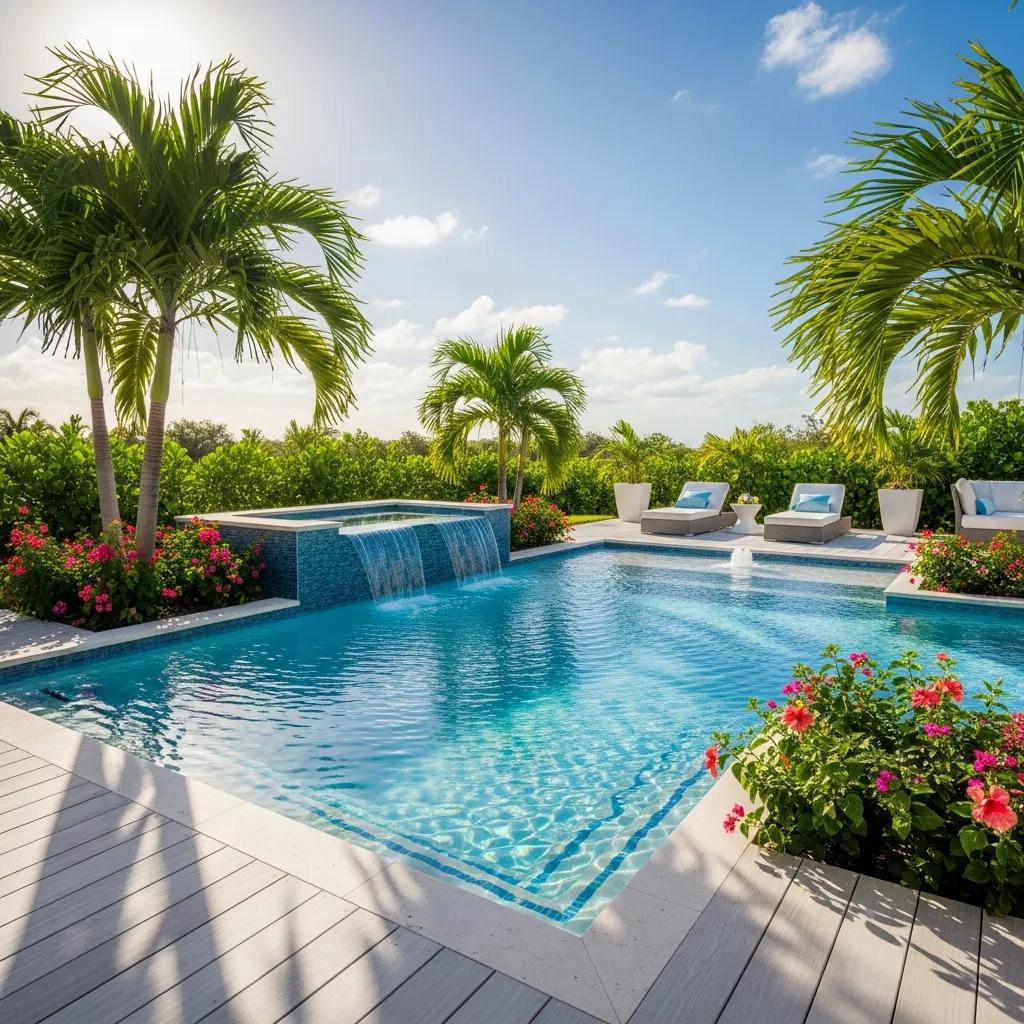
Custom Pool Building Process: Step-by-Step Guide to Inground Pool Construction and Installation
Building a custom pool is an exciting venture that transforms your outdoor space into a personal oasis. This comprehensive guide will walk you through the essential phases of the custom pool building process, ensuring you understand each step involved in creating your inground pool. From initial design to final installation, you will learn how to navigate the complexities of pool construction while avoiding common pitfalls. Many homeowners face challenges in planning and executing their pool projects, but with the right knowledge, you can achieve a stunning result that enhances your property and lifestyle. This article will cover the key phases of pool construction, including design and planning, permitting, site preparation, shell construction, finishing touches, equipment installation, and cost management.
What Are the Key Phases in the Custom Pool Building Process?
The custom pool building process consists of several key phases that ensure a successful project from start to finish. Understanding these phases helps homeowners prepare for the journey ahead.
- Design and Planning Phase: This initial stage involves conceptualizing your pool’s design, considering factors such as size, shape, and features.
- Permitting and Approvals: Before construction begins, obtaining the necessary permits and approvals from local authorities is crucial.
- Excavation and Site Preparation: This phase includes preparing the site and excavating the area where the pool will be installed.
- Shell Construction and Finishing Touches: The actual building of the pool shell and the application of finishing materials occur in this stage.
- Equipment Installation and Startup: Finally, the installation of pool equipment and the startup process ensure your pool is ready for use.
How Does the Design and Planning Phase Shape Your Pool Project?
The design and planning phase is critical as it sets the foundation for your entire pool project. During this stage, homeowners should consider key design elements such as the pool’s shape, size, and any additional features like waterfalls or lighting. Effective planning also involves assessing the available space and ensuring that the design aligns with local regulations and zoning laws. A well-thought-out design can significantly impact the overall project timeline and budget, making it essential to invest time in this phase.
What Permits and Approvals Are Required Before Construction?
Before construction can commence, homeowners must secure various permits and approvals. Common permits include building permits, electrical permits, and plumbing permits, which vary by location. Additionally, homeowners may need to consult with their homeowners’ association (HOA) to ensure compliance with community guidelines. Understanding the permitting process early on can help avoid delays and ensure a smoother construction experience.
How Is Site Preparation and Excavation Conducted for Inground Pools?
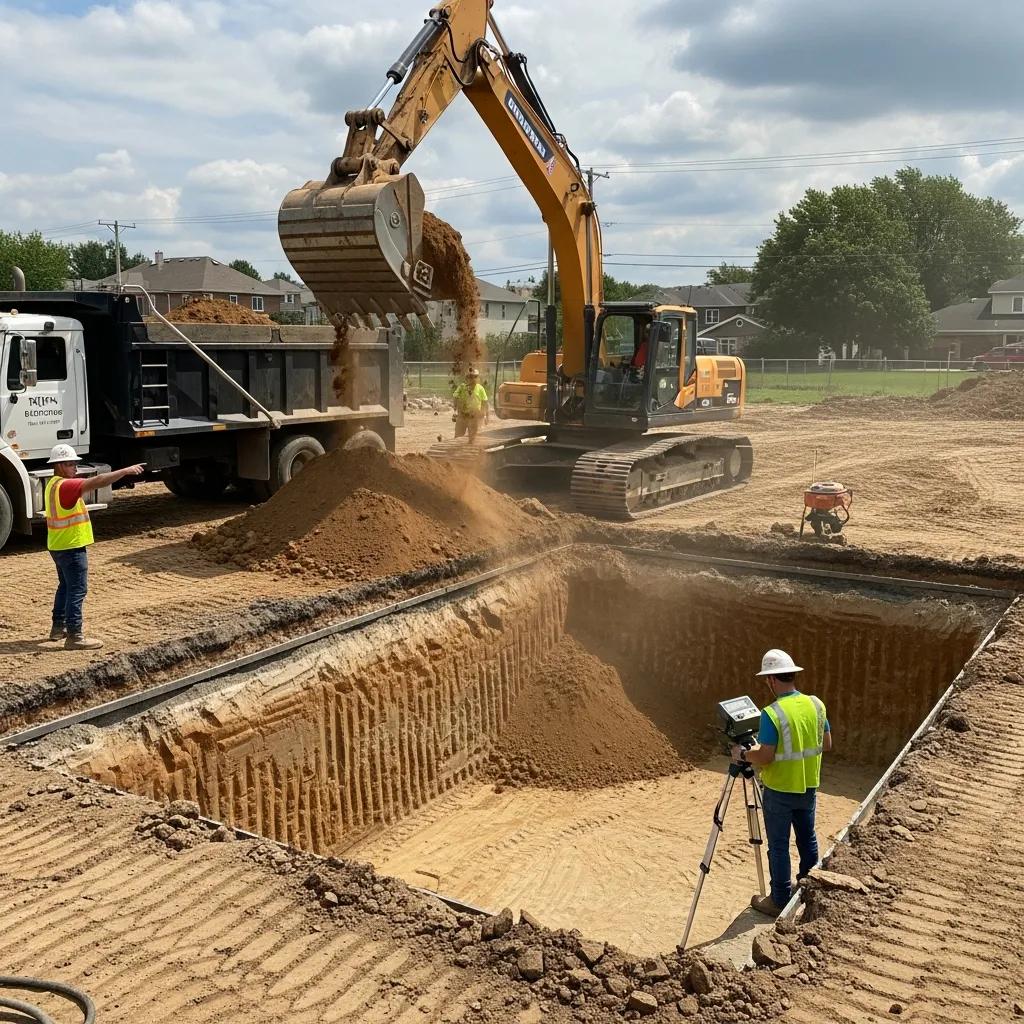
Site preparation and excavation are vital steps in the pool building process, as they lay the groundwork for the pool’s installation. Proper execution of these tasks ensures the pool’s longevity and stability.
- Excavation Techniques: The excavation process typically involves using heavy machinery to dig out the area designated for the pool. This step requires careful planning to avoid damaging underground utilities.
- Soil Testing Importance: Conducting soil tests is essential to determine the soil’s composition and stability. This information helps in deciding the appropriate construction methods and materials.
- Site Preparation Steps: After excavation, the site must be leveled and compacted to create a solid foundation for the pool shell. This preparation is crucial for preventing future settling or shifting.
What Are the Steps in Pool Excavation and Soil Testing?
The excavation process begins with marking the pool’s outline and using excavation equipment to remove soil. Following excavation, soil testing is conducted to assess the soil’s load-bearing capacity. This testing helps identify any necessary reinforcements or adjustments to the pool design. Proper excavation and soil testing are essential for ensuring the pool’s structural integrity.
How Is Structural Reinforcement Installed to Ensure Pool Stability?
Structural reinforcement is a critical component of pool construction, ensuring that the pool can withstand the pressures of water and soil. Common reinforcement methods include the use of steel rebar and shotcrete, which provide added strength to the pool shell. Proper installation of these reinforcements is essential for preventing cracks and leaks in the future.
What Materials and Methods Are Used in Pool Shell Construction?
The choice of materials and construction methods significantly impacts the durability and aesthetics of your pool. Understanding the options available can help homeowners make informed decisions.
- Types of Pool Shells: Common types of pool shells include gunite (shotcrete), fiberglass, and vinyl liner pools. Each material has its unique benefits and drawbacks.
- Construction Methods: The construction method chosen will depend on the selected material. For example, gunite pools are built by spraying a mixture of cement and sand onto a rebar framework, while fiberglass pools are pre-fabricated and installed in one piece.
- Material Comparisons: When selecting materials, homeowners should consider factors such as cost, maintenance, and longevity. For instance, gunite pools are highly customizable but may require more maintenance than fiberglass pools.
How Do Gunite, Fiberglass, and Vinyl Pools Differ in Construction?
Gunite pools are constructed by spraying a mixture of cement and sand over a steel rebar framework, allowing for custom shapes and sizes. Fiberglass pools, on the other hand, are pre-manufactured and installed as a single unit, offering quicker installation times. Vinyl liner pools feature a flexible liner that is placed over a frame, providing a cost-effective option. Each type of pool has its advantages, and the choice will depend on the homeowner’s preferences and budget.
What Are the Plumbing and Electrical Systems Installed in Custom Pools?
Plumbing and electrical systems are essential for the functionality of any pool. Proper installation of these systems ensures efficient water circulation, heating, and lighting.
- Plumbing Layout: The plumbing system includes pipes for water circulation, filtration, and drainage. A well-designed plumbing layout is crucial for maintaining water quality and clarity.
- Electrical Safety Measures: Electrical systems must be installed according to local codes to ensure safety. This includes proper grounding and the use of GFCI outlets for pool equipment.
How Are Finishing Touches Applied to Enhance Pool Aesthetics and Functionality?
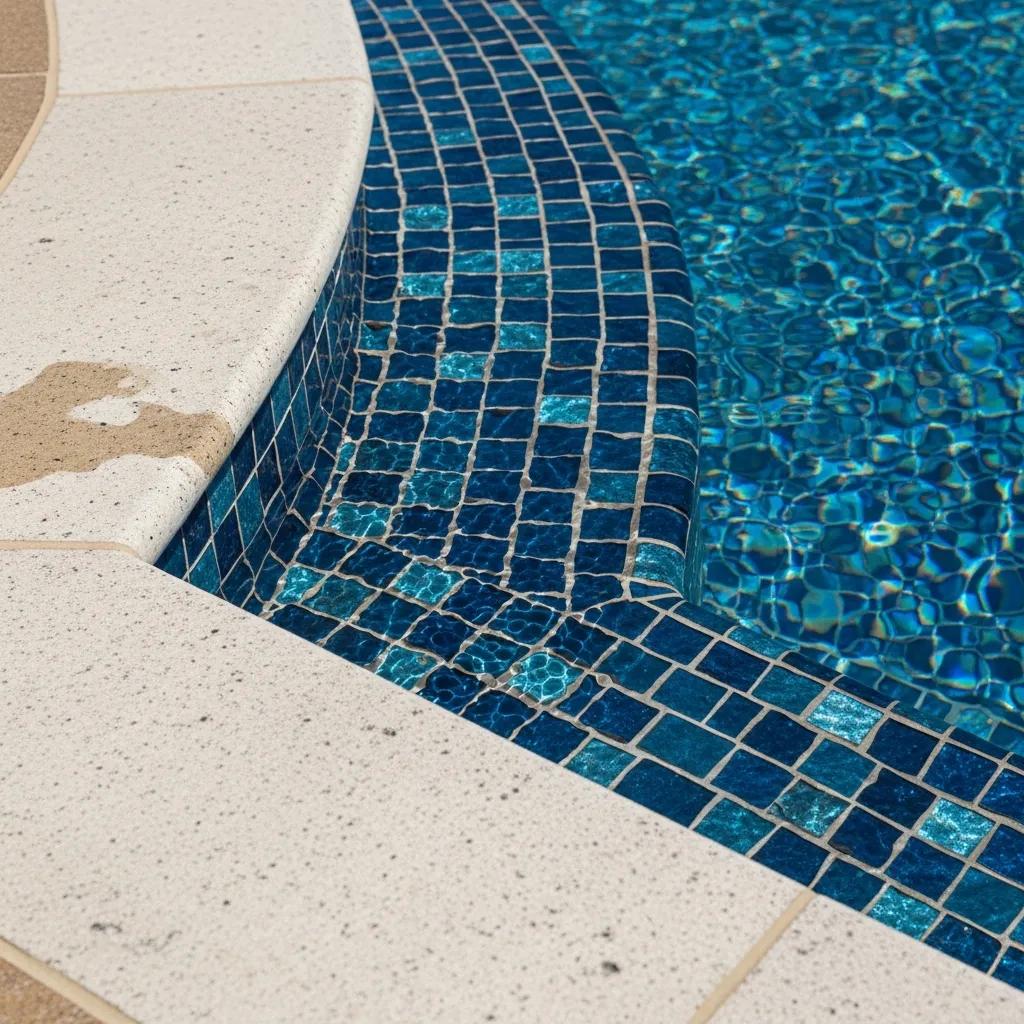
The finishing touches applied to a pool can significantly enhance its overall appearance and functionality. This phase includes selecting materials and features that complement the pool’s design.
- Types of Finishes: Homeowners can choose from various finishes, including tile, plaster, and aggregate. Each finish offers different aesthetic qualities and maintenance requirements.
- Aesthetic Considerations: The choice of coping and tile can dramatically affect the pool’s visual appeal. Homeowners should consider colors and textures that harmonize with their outdoor space.
- Functionality Enhancements: Features such as lighting, waterfalls, and built-in seating can enhance the pool’s usability and enjoyment.
What Options Exist for Pool Tile, Coping, and Interior Finishes?
When selecting finishes for your pool, consider options such as ceramic tile, natural stone, or plaster. Each material offers unique benefits, from durability to aesthetic appeal. For coping, materials like brick, concrete, or natural stone can provide a polished look while ensuring safety around the pool’s edge.
How Is Pool Decking and Landscaping Integrated with the Pool Design?
Integrating pool decking and landscaping with the pool design is essential for creating a cohesive outdoor space. Homeowners should consider materials that complement the pool’s style while providing functionality. Options for decking include concrete, pavers, and natural stone, each offering different aesthetics and maintenance levels.
What Equipment Installation and Startup Procedures Are Essential for New Pools?
Proper equipment installation and startup procedures are crucial for ensuring the pool operates efficiently and safely. This phase includes setting up filtration systems, heaters, and other essential equipment.
- Essential Equipment: Key equipment includes pumps, filters, heaters, and lighting systems. Each component plays a vital role in maintaining water quality and comfort.
- Startup Procedures: After installation, the pool must be filled with water, and chemical balancing should be performed to ensure safe swimming conditions. This process includes testing pH levels and adding necessary chemicals.
- Owner Training: Homeowners should receive training on how to operate and maintain their pool equipment effectively. Understanding the equipment’s functions can help prevent issues and prolong the pool’s lifespan.
Which Pool Equipment Systems Are Installed and How Do They Operate?
The primary systems installed in a pool include the filtration system, which removes debris and contaminants, and the heating system, which maintains comfortable water temperatures. Understanding how these systems operate is essential for effective pool maintenance.
What Is the Process for Pool Filling, Chemical Balancing, and Owner Training?
Filling the pool involves adding water to the desired level, followed by chemical balancing to ensure safe swimming conditions. Homeowners should learn how to test water chemistry and adjust chemical levels as needed. Proper training on equipment operation and maintenance is also crucial for long-term pool care.
How Can You Manage Costs, Financing, and Maintenance for Your Custom Pool?
Managing costs, financing options, and maintenance practices is essential for ensuring a successful pool project. Understanding these aspects can help homeowners make informed decisions throughout the process.
- Cost Factors: Several factors influence the cost of custom pool construction, including materials, labor, and design complexity. Homeowners should budget accordingly to avoid unexpected expenses.
- Financing Options: Various financing options are available for pool construction, including personal loans, home equity lines of credit, and specialized pool financing. Exploring these options can help homeowners find a solution that fits their financial situation.
- Maintenance Practices: Regular maintenance is crucial for keeping a pool in optimal condition. Homeowners should establish a maintenance schedule that includes cleaning, chemical balancing, and equipment checks.
What Factors Influence the Cost of Custom Pool Construction?
The cost of constructing a custom pool can vary significantly based on several factors, including the choice of materials, the complexity of the design, and local labor rates. Homeowners should consider these factors when planning their budget to ensure they can achieve their desired outcome without overspending.
What Financing Options and Maintenance Practices Support Long-Term Pool Care?
Homeowners can explore various financing options to fund their pool project, including personal loans and home equity lines of credit. Additionally, establishing a regular maintenance routine can help prolong the life of the pool and reduce long-term costs. This routine should include regular cleaning, chemical testing, and equipment inspections to ensure everything operates smoothly.
| Material Type | Construction Method | Cost Estimate |
|---|---|---|
| Gunite | Shotcrete application | $35,000 – $65,000 |
| Fiberglass | Pre-fabricated shell | $25,000 – $50,000 |
| Vinyl | Liner installation | $20,000 – $40,000 |
This table compares different pool shell materials, highlighting their construction methods and estimated costs. Understanding these differences can help homeowners make informed decisions based on their budget and preferences.
Building a custom pool involves several critical phases, each requiring careful planning and execution. By understanding the key steps in the process, homeowners can navigate the complexities of pool construction and create a beautiful outdoor space that enhances their lifestyle.