
Precast Concrete Pool Technology Explained: Benefits, Installation, and Comparisons
Precast pool technology represents a significant advancement in modern pool construction, offering a streamlined approach to building durable and aesthetically pleasing swimming pools. This article will delve into the intricacies of precast pools, including their manufacturing processes, installation methods, and the numerous benefits they provide. Readers will gain insights into how precast pools differ from traditional options, the advantages they offer, and the ideal maintenance practices to ensure longevity. As homeowners increasingly seek efficient and cost-effective solutions for their outdoor spaces, understanding precast pool technology becomes essential. We will explore the key aspects of precast pools, including their manufacturing, installation speed, benefits, comparisons with other pool types, plunge pool technology, and maintenance requirements.
What Are Precast Pools and How Are They Manufactured?
Precast pools are factory-manufactured swimming pools made from reinforced concrete, designed for quick installation and durability. The manufacturing process involves creating the pool structure in a controlled environment, ensuring high-quality standards and precision. This method allows for consistent quality and reduces the potential for defects that can occur with traditional on-site construction. The use of precast technology not only enhances the structural integrity of the pool but also allows for a variety of design options to suit different aesthetic preferences.
What Defines Precast Concrete and Fiberglass Pools?
Precast concrete pools and fiberglass pools differ primarily in their materials and construction methods. Precast concrete pools are made from reinforced concrete, providing superior durability and resistance to environmental factors. In contrast, fiberglass pools are constructed from a molded fiberglass shell, which is highly resistant to algae growth and requires less maintenance but can be susceptible to damage from impact or ground movement. While fiberglass pools may offer quicker installation times, precast concrete pools excel in longevity and customization options, making them a popular choice for homeowners seeking a robust solution.
How Does the Factory-Built Manufacturing Process Ensure Quality?
The factory-built manufacturing process for precast pools involves several quality control measures to ensure that each pool meets stringent standards. This includes monitoring the materials used, such as high-strength concrete and steel reinforcements, as well as conducting regular inspections during the production process. By utilizing advanced technology and skilled labor, manufacturers can produce pools that are not only structurally sound but also aesthetically pleasing. This controlled environment minimizes the risk of errors and ensures that the final product is ready for immediate installation upon delivery.
How Does Fast Installation Work with Precast Pool Technology?
Fast installation is one of the standout features of precast pool technology, allowing homeowners to enjoy their new pools in a fraction of the time compared to traditional methods. The precast components are manufactured off-site and delivered ready for assembly, significantly reducing the time spent on-site.
What Are the Key Steps in Precast Pool Installation?
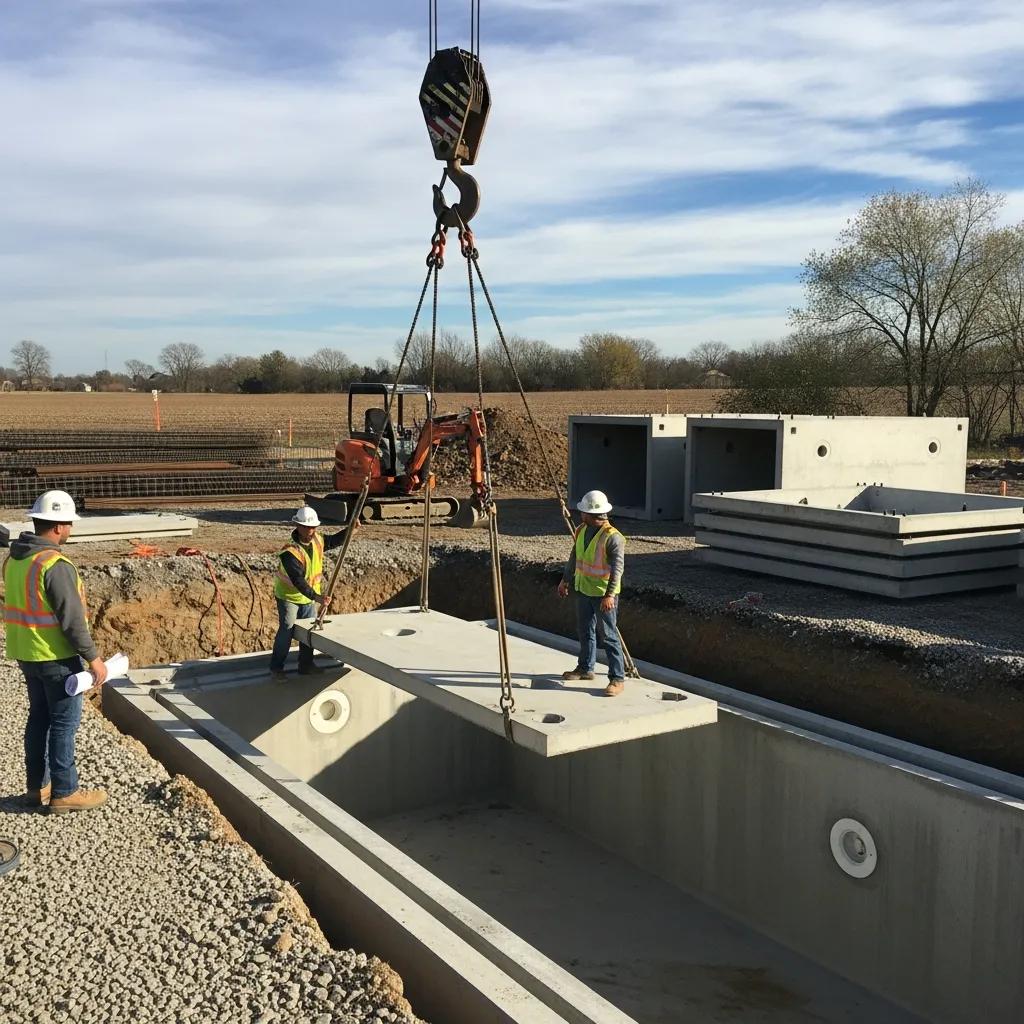
- Site Preparation: The area is excavated and prepared to accommodate the pool structure.
- Delivery and Placement: Precast sections are delivered and positioned using cranes, ensuring precise alignment.
- Connection and Finishing: The sections are connected, and finishing touches, such as coping and surface treatments, are applied.
This streamlined process allows for a complete installation in as little as a few days to a week, enabling homeowners to swim much sooner than with traditional pools.
How Does Installation Time Compare to Traditional Pools?
When comparing installation times, precast pools can often be installed in a matter of days to a week, while traditional concrete pools may take several weeks to months to complete. This significant time savings is due to the off-site manufacturing of precast components, which eliminates many of the delays associated with on-site construction, such as weather-related interruptions and labor availability. Homeowners can enjoy their new pools much sooner, making precast technology an attractive option for those looking to enhance their outdoor spaces quickly.
What Are the Main Benefits of Precast Pools?
Precast pools offer numerous advantages that make them a compelling choice for homeowners. These benefits include enhanced durability, cost savings, and a wide range of customization options.
- Durability: Precast concrete pools are built to withstand harsh weather conditions and resist wear and tear over time, ensuring a long lifespan.
- Cost Savings: The efficiency of the precast manufacturing process often translates to competitive overall costs, as reduced labor and installation times minimize expenses.
- Customization Options: Homeowners can choose from various designs, finishes, and features, allowing for a personalized pool that fits their specific needs and preferences.
For those considering a new pool, the benefits of precast technology make it a worthwhile investment.
How Do Durability and Cost Savings Make Precast Pools Advantageous?
The durability of precast pools stems from their construction using high-quality materials and advanced engineering techniques. This results in a pool that can withstand the elements, reducing the need for frequent repairs or replacements. Additionally, the cost savings associated with precast pools arise from their quick installation and lower maintenance requirements. Homeowners can expect long-term savings on both installation and upkeep, making precast pools a financially sound choice.
What Customization Options Are Available for Precast Pools?
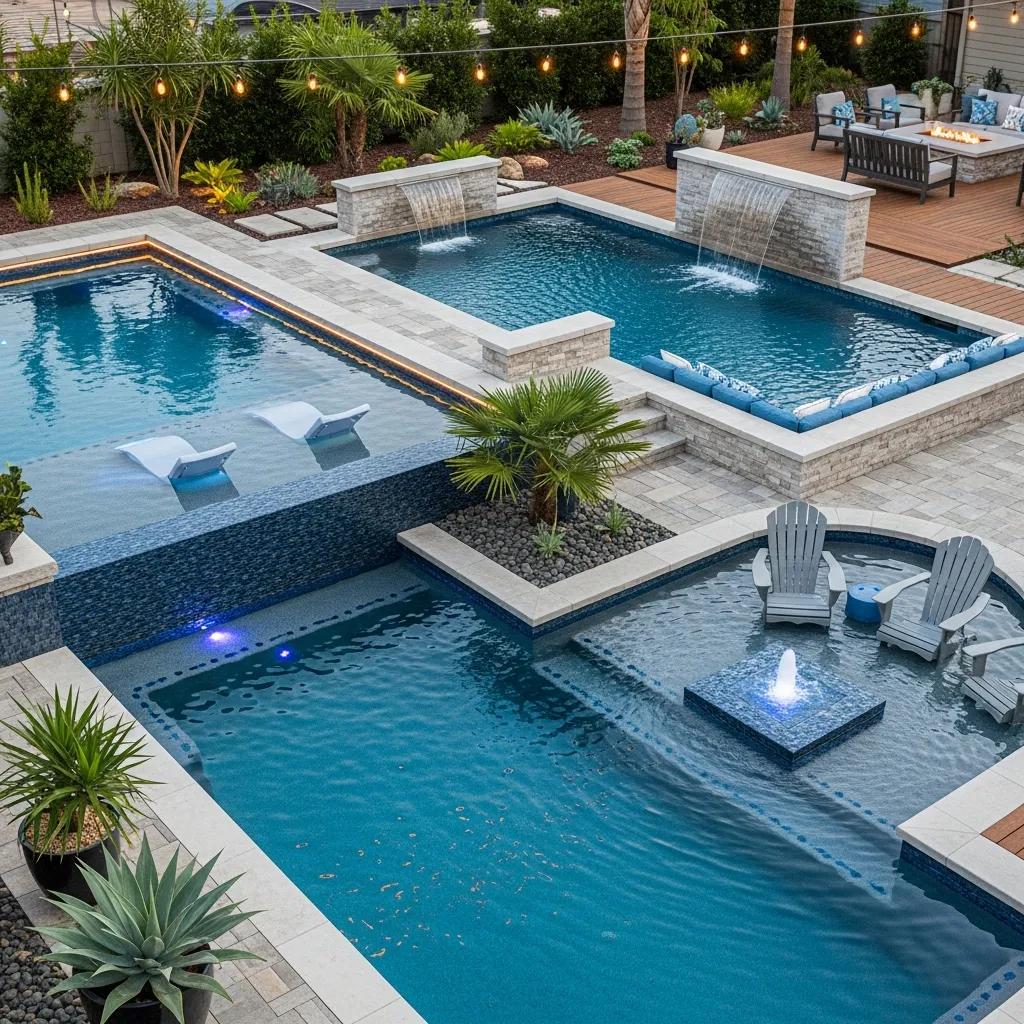
Precast pools offer a variety of customization options to suit individual tastes and preferences. Homeowners can select from different shapes, sizes, and finishes, including tile, plaster, or aggregate surfaces. Additionally, features such as built-in lighting, waterfalls, and spa areas can be integrated into the design, creating a unique and personalized outdoor oasis. This level of customization ensures that each precast pool can be tailored to meet the specific desires of the homeowner.
How Do Precast Pools Compare to Traditional and Fiberglass Pools?
When evaluating precast pools against traditional and fiberglass options, several key differences emerge, particularly in installation time, cost, and maintenance needs.
What Are the Differences in Installation Time, Cost, and Maintenance?
Precast pools typically have a faster installation time compared to traditional concrete pools, which require extensive on-site work. In terms of cost, precast pools are generally competitive with fiberglass pools but can vary depending on customization and site conditions. Maintenance requirements also differ; while fiberglass pools require less frequent resurfacing and are resistant to algae, precast pools are designed for longevity and often need less frequent structural repairs than traditional concrete pools. This comparison highlights the advantages of precast technology in providing a durable and cost-effective solution for homeowners.
How Does Durability and Longevity Vary Among Pool Options?
Durability and longevity are critical factors when choosing a pool type. Precast concrete pools are known for their strength and resistance to damage, often lasting decades with proper care. In contrast, fiberglass pools, while initially less expensive and low maintenance, may be prone to gel coat fading and potential cracking under ground movement. Traditional concrete pools can also be durable but often require more maintenance and repairs over time. Understanding these differences can help homeowners make informed decisions based on their long-term needs.
What Is Plunge Pool Technology and Its Ideal Applications?
Plunge pool technology is a specialized form of precast pool design, ideal for smaller spaces or urban environments. These compact pools provide a refreshing swimming experience without requiring extensive yard space.
Why Are Precast Plunge Pools Suitable for Small Spaces?
Precast plunge pools are designed to maximize space efficiency, making them perfect for smaller backyards or patios. Their compact size allows homeowners to enjoy the benefits of a pool without the need for a large outdoor area. Additionally, these pools can be customized with various features, such as seating and jets, to enhance the swimming experience in limited spaces.
How Do Heating Efficiency and Design Features Enhance Plunge Pools?
Heating efficiency is a significant advantage of plunge pools, as their smaller volume allows for quicker heating times compared to larger pools. Many precast plunge pools can be equipped with energy-efficient heating systems, ensuring comfortable water temperatures year-round. Design features such as integrated seating and aesthetic enhancements further elevate the appeal of plunge pools, making them a stylish addition to any outdoor space.
How Should Precast Pools Be Maintained for Longevity?
Maintaining a precast pool is essential for ensuring its longevity and optimal performance. Regular care and attention can prevent issues and extend the life of the pool.
What Are Best Practices for Precast Pool Care and Surface Maintenance?
Best practices for maintaining a precast pool include regular cleaning, checking water chemistry, and inspecting for any signs of wear. Homeowners should clean the pool surface regularly to prevent algae buildup and ensure clear water. Additionally, maintaining proper water balance is crucial for preventing damage to the pool structure and finishes. Regular inspections can help identify potential issues early, allowing for timely repairs.
What Warranty and Support Options Are Typically Offered?
Most manufacturers of precast pools offer warranties that cover structural integrity and surface finishes. These warranties can vary in length and coverage, so homeowners should review the terms carefully before making a purchase. Additionally, many manufacturers provide ongoing support and maintenance services, ensuring that homeowners have access to expert assistance when needed. This level of support can enhance the overall ownership experience and provide peace of mind.
| Feature | Precast Pools | Fiberglass Pools | Traditional Concrete Pools |
|---|---|---|---|
| Installation Time | Days to 1 week | Days to weeks | Weeks to months |
| Durability | High | Moderate to High | High |
| Customization | Extensive | Limited | Moderate |
| Maintenance | Low to Moderate | Low | High |
| Cost | Competitive | Moderate | High |