
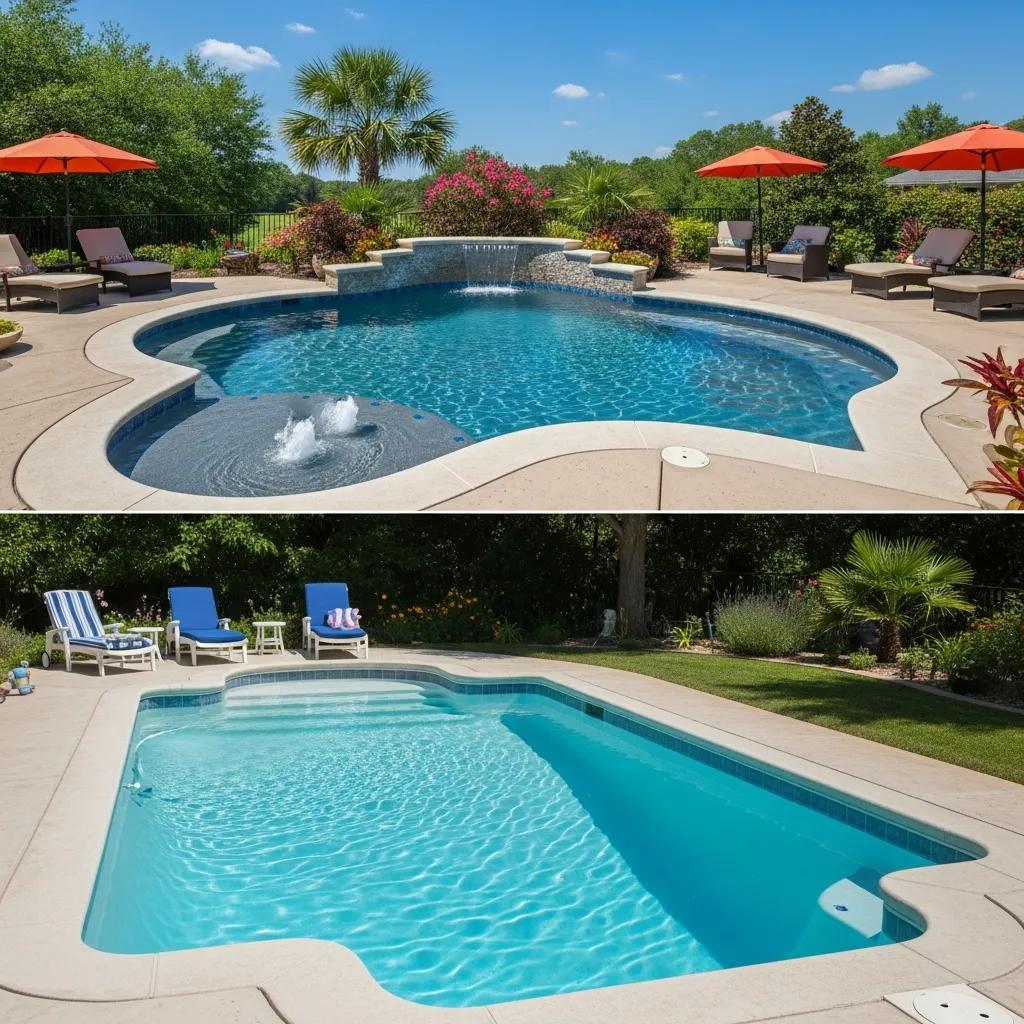
Concrete vs Composite Pools: Comprehensive Guide to Choosing the Best Inground Pool
Choosing the right inground pool is a significant decision for homeowners, as it impacts both aesthetics and functionality. This comprehensive guide explores the differences between concrete and composite pools, helping you make an informed choice based on your needs and preferences. Concrete pools, known for their durability and customization options, contrast with composite pools, which offer ease of installation and maintenance. Many homeowners struggle with understanding the long-term implications of their pool choice, including costs, maintenance, and design flexibility. This article will delve into the key differences, cost comparisons, durability, customization options, installation timelines, and environmental impacts of concrete versus composite pools.
What Are the Key Differences Between Concrete and Fiberglass Pools?
Concrete and fiberglass pools differ significantly in construction, customization, and durability. Concrete pools are built on-site using a mixture of cement, sand, and gravel, allowing for a high degree of customization in shape and size. In contrast, fiberglass pools are pre-manufactured and installed as a single unit, which can limit design flexibility but offers quicker installation times.
How Are Concrete Pools Constructed and Customized?
Concrete pools are constructed by excavating the desired area and then spraying a mixture of gunite or shotcrete, which is reinforced with rebar for added strength. This method allows for various shapes and sizes, accommodating unique designs such as freeform or geometric styles. Homeowners can also choose from a variety of finishes, including plaster, pebble, or tile, enhancing the pool’s aesthetic appeal. The customization options available with concrete pools make them a popular choice for those looking to create a unique backyard oasis.
What Is the Manufacturing and Installation Process for Fiberglass Pools?
Fiberglass pools are manufactured in a factory and delivered as a single piece to the installation site. The process begins with creating a mold, which is then coated with a gel coat and fiberglass layers. Once cured, the pool shell is transported and installed in a pre-excavated hole. This installation process is typically faster than that of concrete pools, often taking about one to two weeks. However, the design options are more limited, as homeowners must choose from existing shapes and sizes.
How Do Initial and Lifetime Costs Compare for Concrete and Composite Pools?
When considering a pool, understanding the financial implications is crucial. The initial installation costs and long-term maintenance expenses can vary significantly between concrete and composite pools.
What Are the Upfront Installation Costs for Each Pool Type?
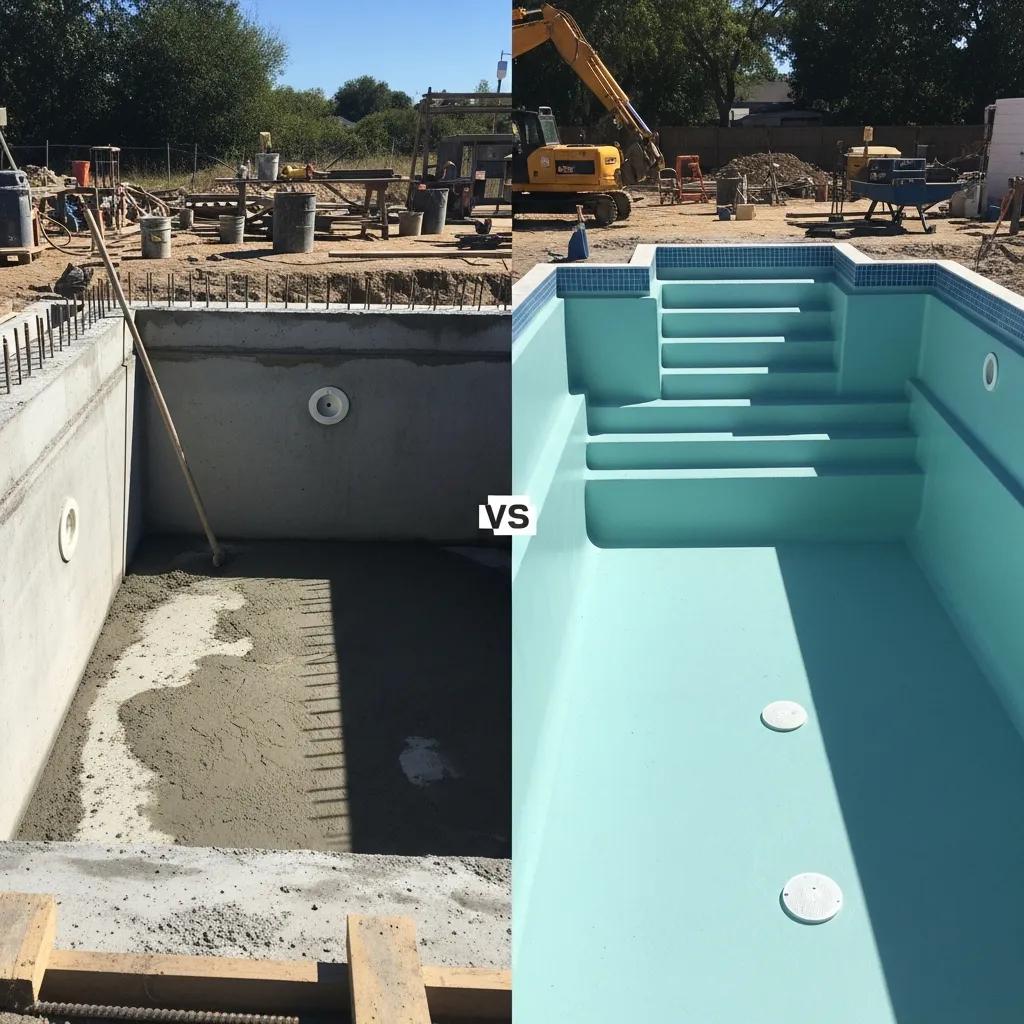
The upfront costs for concrete pools generally range from $50,000 to $100,000, depending on size, design complexity, and additional features like lighting and heating systems. In contrast, fiberglass pools typically cost between $20,000 and $60,000, making them a more budget-friendly option for many homeowners. Factors such as regional pricing, site preparation, and landscaping can also influence these costs.
How Do Maintenance and Repair Expenses Affect Long-Term Ownership?
Maintenance costs for concrete pools can be higher due to the need for regular resurfacing and chemical balancing. Homeowners should expect to spend around $1,200 to $2,000 annually on maintenance. Conversely, fiberglass pools require less upkeep, with annual costs averaging between $400 and $1,200. This difference in maintenance expenses can significantly impact the total cost of ownership over time, making fiberglass pools a more economical choice in the long run.
What Are the Durability and Maintenance Requirements of Concrete vs Fiberglass Pools?
Durability is a critical factor when choosing a pool, as it affects both longevity and maintenance needs. Concrete pools are known for their strength and can last for decades with proper care. However, they require regular maintenance to prevent issues such as cracking and algae growth. Fiberglass pools, while also durable, may be more susceptible to surface scratches and fading over time.
How Long Do Concrete and Fiberglass Pools Typically Last?
Concrete pools can last 25 to 40 years or more, making them a long-term investment for homeowners. Their robust construction allows them to withstand various environmental conditions. On the other hand, fiberglass pools typically have a lifespan of 20 to 30 years. While they are durable, their longevity can be affected by factors such as UV exposure and chemical balance.
What Maintenance Tasks Are Needed and How Do They Differ?
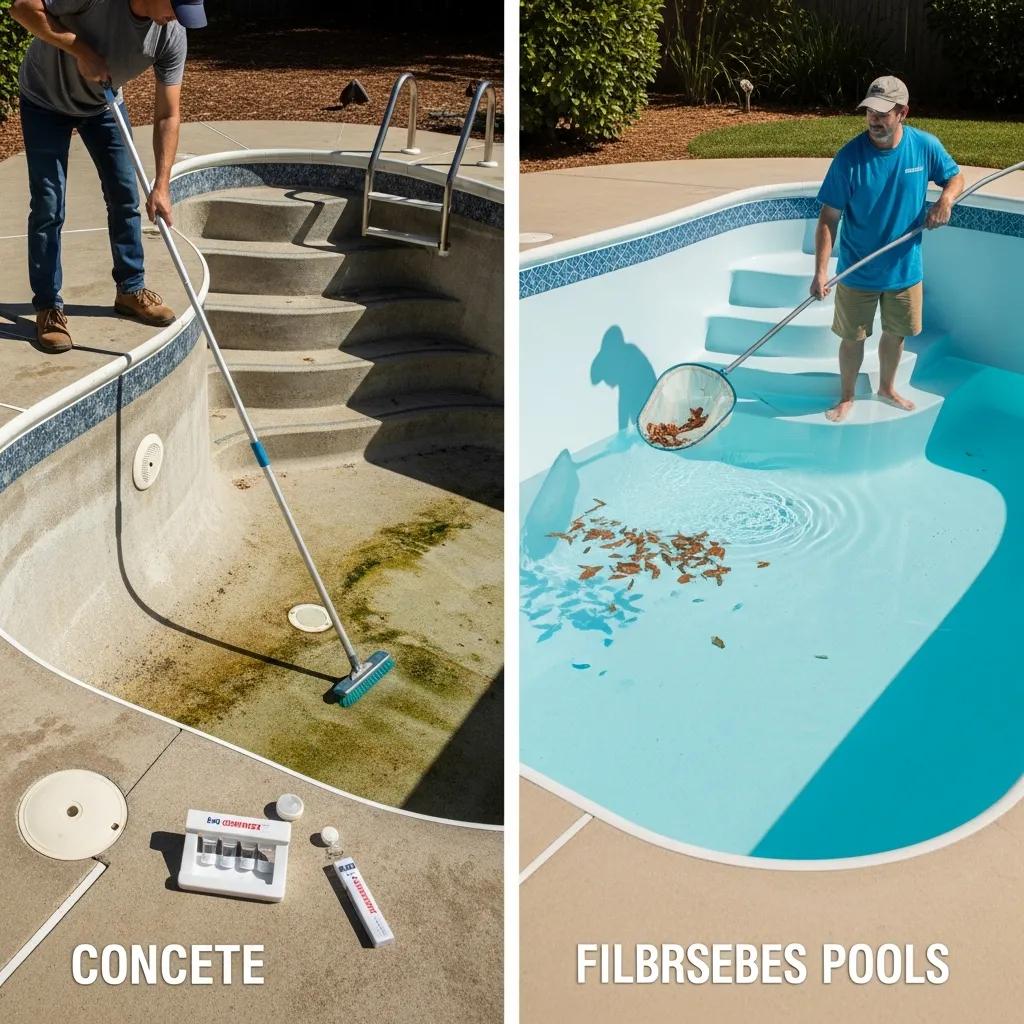
Maintenance tasks for concrete pools include regular cleaning, chemical balancing, and resurfacing every 7 to 15 years. In contrast, fiberglass pools require less frequent cleaning and do not need resurfacing, although they should still be maintained to prevent algae growth and surface damage. Understanding these maintenance requirements is essential for homeowners to ensure their pool remains in optimal condition.
How Does Customization and Design Flexibility Vary Between Pool Materials?
Customization is a significant consideration for many homeowners when selecting a pool. Concrete pools offer extensive design flexibility, while fiberglass pools have more limitations.
What Custom Shapes and Features Are Possible with Concrete Pools?
Concrete pools can be designed in virtually any shape or size, allowing homeowners to create unique features such as waterfalls, built-in spas, and custom lighting. This level of customization makes concrete pools ideal for those looking to create a personalized outdoor space that reflects their style and preferences.
What Design Limitations Exist for Fiberglass Pools?
Fiberglass pools are available in a limited range of pre-manufactured shapes and sizes, which can restrict design options. While some manufacturers offer customization within certain parameters, the overall flexibility is less than that of concrete pools. Homeowners should consider their design preferences when choosing between these two materials.
What Are the Installation Timelines and Surface Comfort Differences?
The installation timeline and surface comfort are essential factors to consider when selecting a pool type. Concrete pools typically take longer to install than fiberglass pools, which can be a deciding factor for some homeowners.
How Long Does Installation Take for Concrete vs Fiberglass Pools?
Concrete pool installation can take several weeks to a few months to complete, as the construction process involves multiple stages, including excavation, spraying, and curing. In contrast, fiberglass pools can be installed in about one to two weeks, making them a more convenient option for homeowners looking to enjoy their pool sooner.
How Do Surface Textures Affect Swimmer Comfort and Cleaning?
The surface texture of a pool can significantly impact swimmer comfort and cleaning ease. Concrete pools can be finished with various textures, which can enhance comfort but may require more maintenance. Fiberglass pools typically have a smooth surface that is comfortable for swimmers and easier to clean, reducing the time and effort needed for upkeep.
How Do Environmental Impact and Smart Technology Integration Influence Pool Choice?
Environmental considerations and the integration of smart technology are becoming increasingly important for homeowners when selecting a pool.
What Sustainable Features Are Available for Concrete and Composite Pools?
Both concrete and fiberglass pools can incorporate sustainable features, such as energy-efficient pumps, solar heating systems, and water-saving technologies. Homeowners should consider these options to minimize their environmental impact and reduce long-term operational costs.
How Compatible Are These Pools with Smart Home Automation Systems?
Smart home technology is increasingly being integrated into pool systems, allowing for remote monitoring and control of pool functions. Both concrete and fiberglass pools can be equipped with smart technology, enabling homeowners to manage heating, lighting, and cleaning systems from their smartphones. This compatibility enhances convenience and can lead to more efficient pool management.
| Pool Type | Initial Cost | Lifespan | Annual Maintenance Cost |
|---|---|---|---|
| Concrete | $50,000 – $100,000 | 25 – 40 years | $1,200 – $2,000 |
| Fiberglass | $20,000 – $60,000 | 20 – 30 years | $400 – $1,200 |
This table highlights the key differences in cost, lifespan, and maintenance between concrete and fiberglass pools, aiding homeowners in making an informed decision.
In summary, both concrete and fiberglass pools offer unique advantages and disadvantages. Concrete pools provide extensive customization and durability, while fiberglass pools offer quicker installation and lower maintenance costs. Homeowners should carefully consider their preferences, budget, and long-term goals when choosing the best inground pool for their needs.