
Sustainable & Eco-Friendly Pool Design Options: Comprehensive Guide to Natural Swimming Pool Design and Energy Efficient Solutions
Sustainable and eco-friendly pool design options are becoming increasingly popular as homeowners seek to create beautiful outdoor spaces that are also environmentally responsible. This comprehensive guide will explore various aspects of sustainable pool design, including natural swimming pools, energy-efficient technologies, eco-friendly construction materials, and water conservation methods. Readers will learn how to create a pool that not only enhances their property but also contributes positively to the environment. Many pool owners face challenges related to chemical use, energy consumption, and water waste. By adopting sustainable practices, these challenges can be effectively addressed. This article will cover the definition and benefits of natural swimming pools, sustainable technologies, eco-friendly materials, water conservation strategies, chemical-free systems, and landscaping techniques that integrate nature.
What Are Natural Swimming Pools and How Do They Provide Chemical-Free Water?
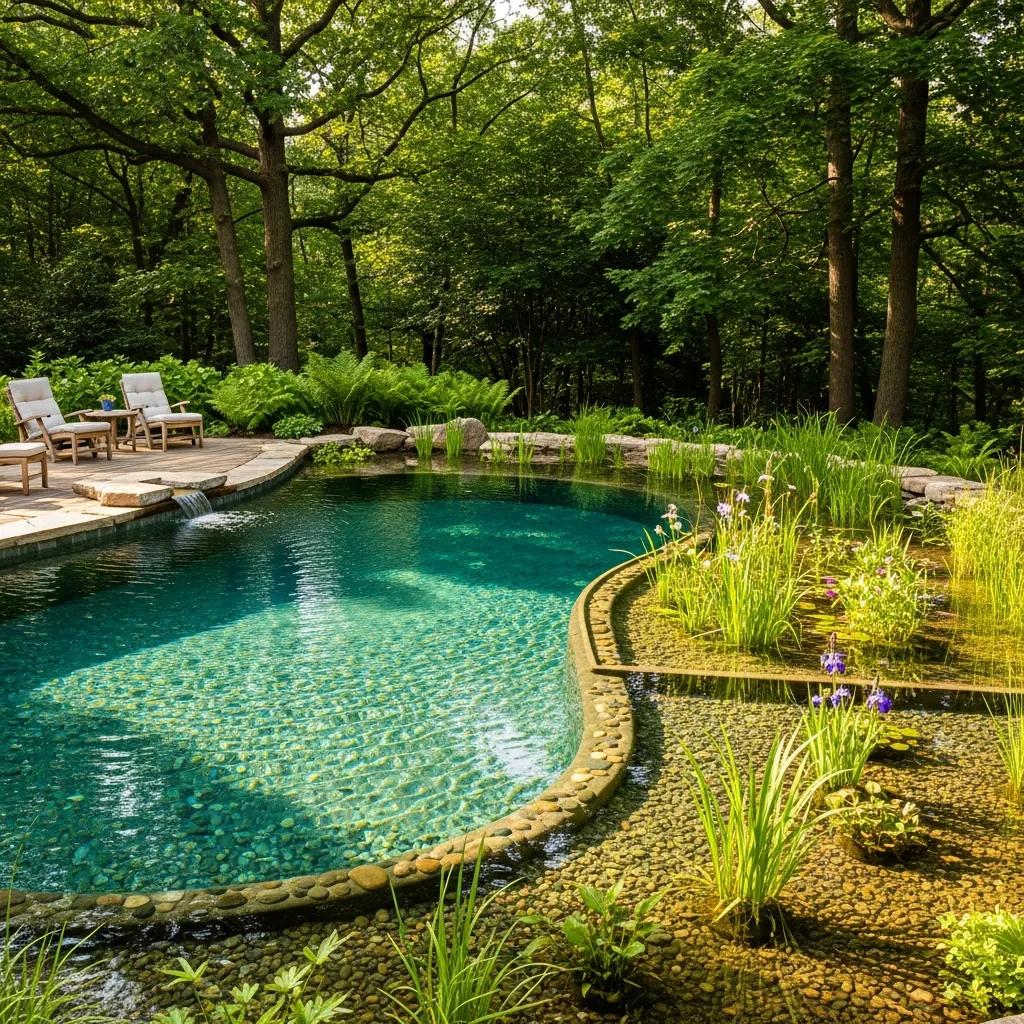
Natural swimming pools, also known as biopools, are designed to provide a chemical-free swimming experience by utilizing biological filtration and regeneration zones. These pools rely on natural processes to maintain water quality, making them an eco-friendly alternative to traditional pools. The primary benefit of natural swimming pools is their ability to offer a safe and healthy swimming environment without the use of harsh chemicals, which can be harmful to both swimmers and the environment.
How Does Biological Filtration Work in Natural Pool Design?
Biological filtration in natural pool design involves the use of beneficial bacteria and plants to break down organic matter and purify the water. This system typically includes a filtration area where water is circulated through gravel and plant roots, allowing microorganisms to thrive. These microorganisms consume algae and other contaminants, effectively cleaning the water. The benefits of biological filtration include reduced chemical use, lower maintenance costs, and a more natural swimming experience. Compared to traditional filtration systems, biological filtration promotes a balanced ecosystem that supports aquatic life.
What Are Regeneration Zones and Their Role in Eco-Friendly Pools?
Regeneration zones are designated areas within natural swimming pools that support the growth of aquatic plants, which play a crucial role in maintaining water quality. These zones are typically filled with gravel and planted with native species that can absorb nutrients and filter pollutants from the water. The importance of regeneration zones lies in their ability to enhance water clarity and quality while providing habitat for wildlife. Proper plant selection is essential, as native and drought-resistant plants are more likely to thrive and contribute to the pool’s ecological balance.
Which Sustainable Pool Technologies Maximize Energy Efficiency?
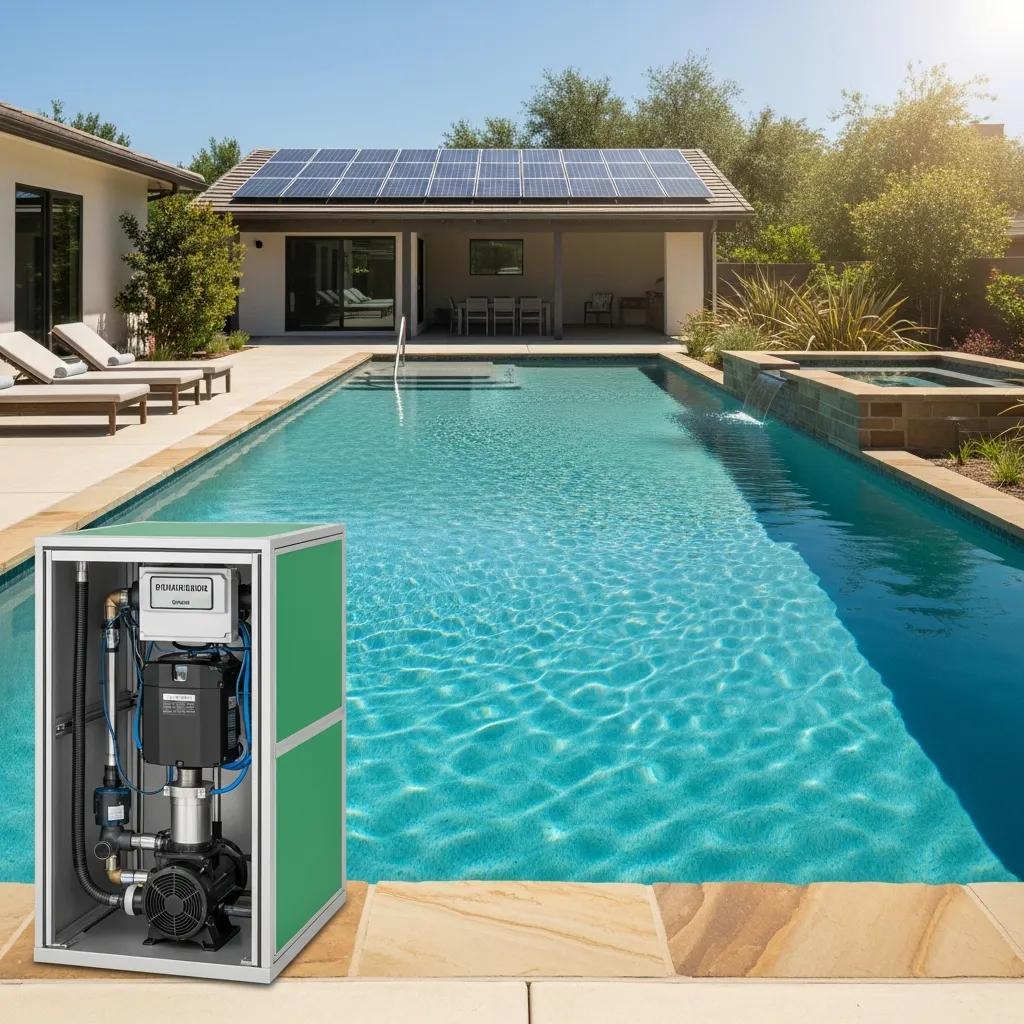
Sustainable pool technologies are essential for reducing energy consumption and minimizing the environmental impact of pool ownership. By incorporating energy-efficient systems, pool owners can significantly lower their utility bills while enjoying a comfortable swimming experience. This section will explore various technologies that enhance energy efficiency in pools.
How Do Variable-Speed Pumps Reduce Energy Consumption?
Variable-speed pumps are designed to operate at different speeds, allowing for more efficient water circulation and filtration. By adjusting the pump’s speed based on the pool’s needs, homeowners can reduce energy consumption by up to 80% compared to traditional single-speed pumps. This energy savings translates into lower electricity bills and a reduced carbon footprint, making variable-speed pumps a smart investment for eco-conscious pool owners.
What Are the Advantages of Solar and Geothermal Pool Heating Systems?
Solar and geothermal heating systems offer sustainable alternatives to traditional gas or electric heaters. Solar heating systems harness the sun’s energy to warm pool water, while geothermal systems utilize the earth’s stable temperature to provide efficient heating. Both options can lead to significant cost savings over time, as they rely on renewable energy sources. Additionally, these systems reduce greenhouse gas emissions, making them an environmentally friendly choice for pool heating.
What Eco-Friendly Pool Construction Materials Enhance Sustainability?
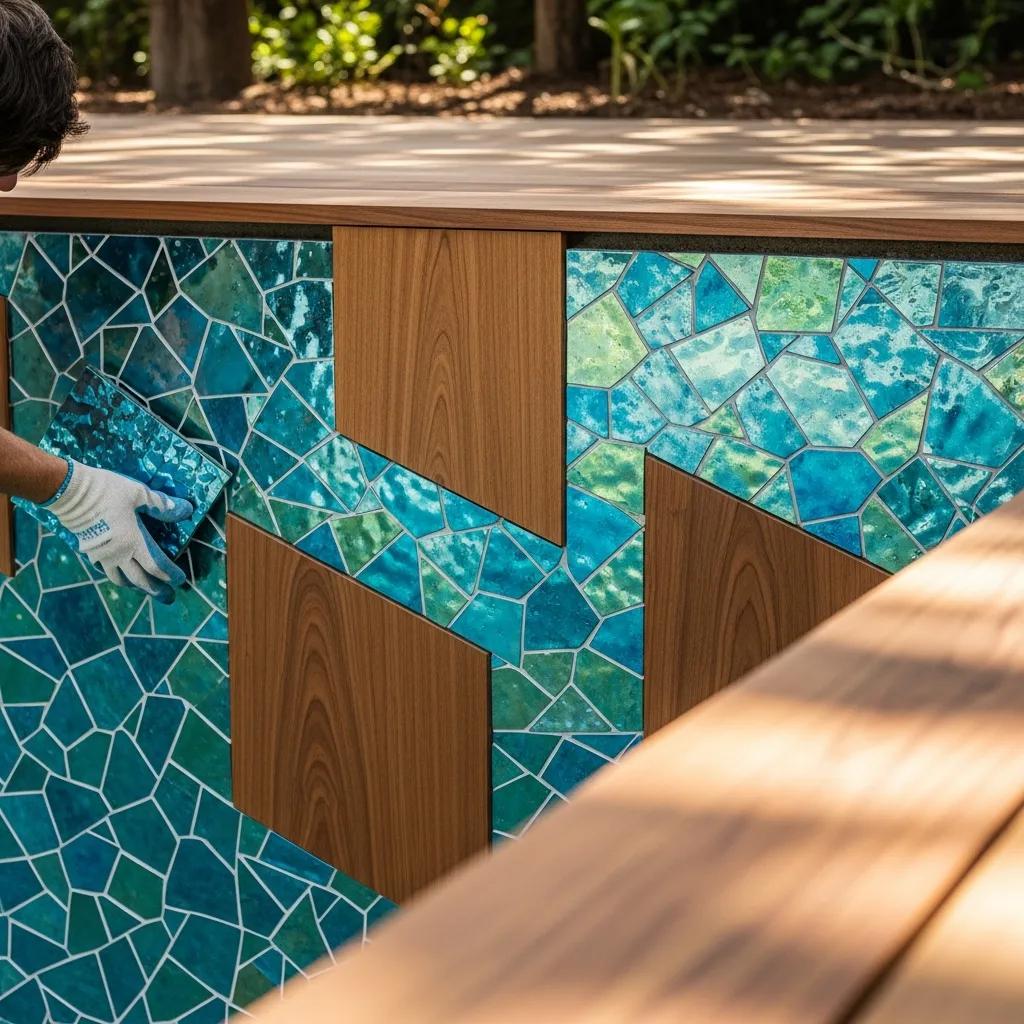
The choice of construction materials plays a vital role in the sustainability of pool design. By selecting eco-friendly materials, homeowners can minimize their environmental impact while creating a beautiful and functional pool area. This section will explore various materials that contribute to sustainable pool construction.
How Do Recycled Glass Tiles and Sustainable Timber Contribute to Green Pool Building?
Recycled glass tiles are an excellent choice for pool finishes, as they are made from post-consumer glass and reduce waste in landfills. These tiles are not only visually appealing but also durable and easy to maintain. Sustainable timber, sourced from responsibly managed forests, can be used for decking and other structures around the pool. The use of these materials contributes to a lower carbon footprint and supports environmentally friendly practices in the construction industry.
What Are the Benefits of Using Composite Decking and Recycled Concrete?
Composite decking, made from a blend of recycled wood fibers and plastic, offers a sustainable alternative to traditional wood decking. It is resistant to rot, splintering, and fading, making it a long-lasting choice for pool areas. Recycled concrete, produced from crushed concrete waste, can be used for pool coping and landscaping features. Both materials provide durability and aesthetic appeal while promoting sustainability in pool construction.
How Can Water Conservation Be Achieved in Sustainable Pool Design?
Water conservation is a critical aspect of sustainable pool design. By implementing effective strategies, pool owners can significantly reduce water waste and promote responsible water use. This section will discuss various methods for achieving water conservation in pool design.
What Are Effective Rainwater Harvesting Systems for Pool Top-Ups?
Rainwater harvesting systems collect and store rainwater for use in pool top-ups and irrigation. By utilizing this natural resource, homeowners can reduce their reliance on municipal water supplies and lower their water bills. Implementing a rainwater harvesting system involves installing gutters, downspouts, and storage tanks to capture and store rainwater effectively. This sustainable practice not only conserves water but also helps manage stormwater runoff.
How Do Advanced Pool Covers and Cartridge Filters Reduce Water Waste?
Advanced pool covers play a crucial role in minimizing water evaporation, which can account for significant water loss in pools. By covering the pool when not in use, homeowners can reduce evaporation by up to 70-90%. Additionally, cartridge filters are more efficient than traditional sand filters, requiring less water for backwashing and maintenance. Together, these technologies contribute to effective water conservation in sustainable pool design.
What Are Chemical-Free Pool Systems and Their Health Benefits?
Chemical-free pool systems provide an alternative to traditional chlorine-based sanitation methods, offering a healthier swimming experience. These systems utilize natural processes to maintain water quality, reducing the risk of skin and eye irritation associated with chemical exposure. This section will explore various chemical-free pool systems and their health benefits.
How Do Saltwater Systems, UV Purification, and Ozone Generators Work?
Saltwater systems generate chlorine through the electrolysis of salt, providing a gentler alternative to traditional chlorine pools. UV purification systems use ultraviolet light to kill bacteria and viruses in the water, while ozone generators produce ozone to oxidize contaminants. These systems work together to maintain clean and clear water without the harsh chemicals typically found in conventional pools. The health benefits of chemical-free systems include reduced skin irritation, improved water quality, and a more pleasant swimming experience.
What Are Mineral-Based Treatments and Eco-Friendly Pool Cleaning Products?
Mineral-based treatments utilize natural minerals, such as copper and silver, to sanitize pool water effectively. These treatments are less harsh than traditional chemicals and can improve water clarity and quality. Eco-friendly pool cleaning products, made from biodegradable ingredients, offer a sustainable alternative to conventional cleaning agents. By using these products, pool owners can maintain a clean pool while minimizing their environmental impact and promoting a healthier swimming environment.
How Does Sustainable Pool Landscaping Integrate Nature and Enhance Eco-Friendliness?
Sustainable pool landscaping is essential for creating a harmonious outdoor environment that enhances the pool’s aesthetic appeal while promoting ecological balance. This section will discuss landscaping techniques that integrate nature and enhance eco-friendliness.
What Are the Benefits of Native and Drought-Resistant Plants Around Pools?
Using native and drought-resistant plants in pool landscaping offers numerous benefits. These plants are well-adapted to the local climate, requiring less water and maintenance than non-native species. Additionally, they provide habitat for local wildlife and contribute to biodiversity. By incorporating these plants into pool landscaping, homeowners can create a beautiful and sustainable outdoor space that supports the local ecosystem.
How Do Windbreak Designs and Permeable Surfaces Support Eco-Friendly Pool Environments?
Windbreak designs, such as strategically placed trees and shrubs, can help reduce wind exposure around pools, improving comfort for swimmers and reducing evaporation. Permeable surfaces, such as permeable pavers and gravel, allow rainwater to infiltrate the ground, reducing runoff and promoting groundwater recharge. These design elements contribute to a more sustainable pool environment by enhancing water conservation and supporting local ecosystems.