
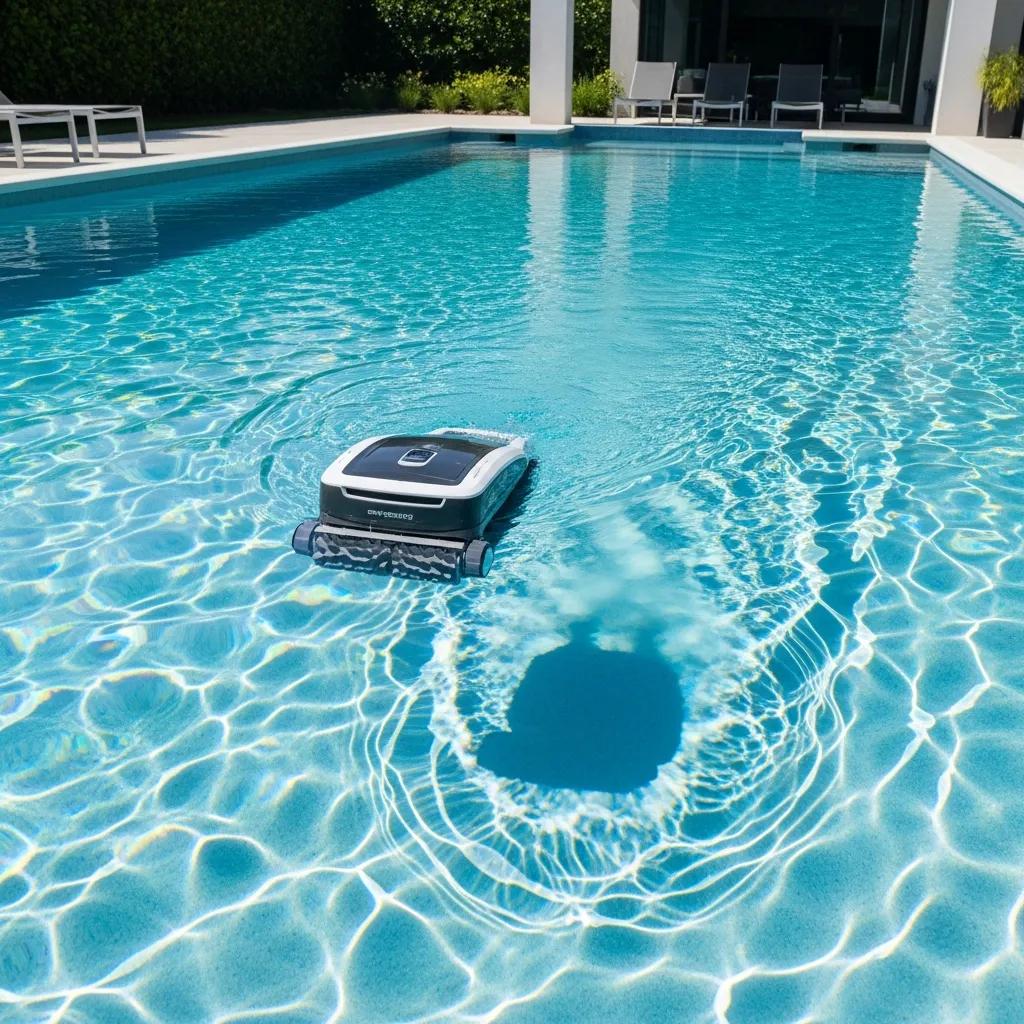
Choosing the Best Automated Pool Cleaners: Ultimate Guide to Top Robotic, Pressure Side, and Suction Side Models
Automated pool cleaners have revolutionized the way pool maintenance is conducted, providing a convenient solution for keeping pools clean with minimal effort. This comprehensive guide will explore the various types of automated pool cleaners, their mechanisms, and the benefits they offer. Readers will learn about robotic, pressure side, and suction side models, helping them make informed decisions based on their specific pool needs. Many pool owners struggle with the time and effort required for regular cleaning, but automated cleaners present a practical solution that can save both time and energy. This article will cover the main types of automated pool cleaners, how to choose the best one for your pool type and debris, top models in 2024, key features to consider, and maintenance tips to ensure longevity.
What Are the Main Types of Automated Pool Cleaners and How Do They Work?
Automated pool cleaners can be categorized into three main types: robotic, pressure side, and suction side cleaners. Each type operates differently and is designed to handle specific cleaning tasks effectively. Understanding these differences is crucial for selecting the right cleaner for your pool.
How Do Robotic Pool Cleaners Operate and What Are Their Key Features?
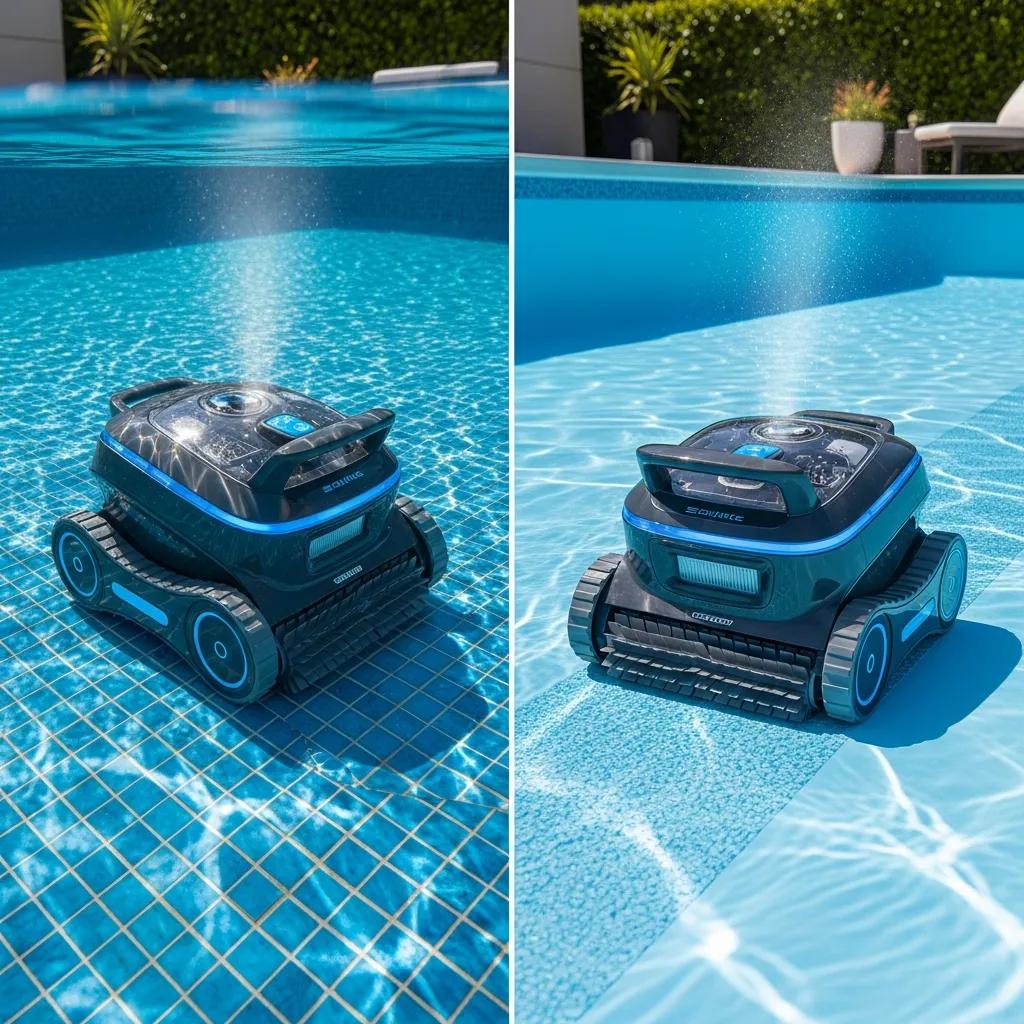
Robotic pool cleaners operate independently, using a self-contained filtration system to remove debris from the pool. They are equipped with advanced navigation technology that allows them to map the pool’s layout, ensuring thorough cleaning. Key features include programmable settings, energy efficiency, and the ability to clean various surfaces, including tile, vinyl, and concrete. These cleaners often come with smart features, such as app control, allowing users to monitor and schedule cleaning sessions remotely.
What Are the Advantages and Limitations of Pressure Side Pool Cleaners?
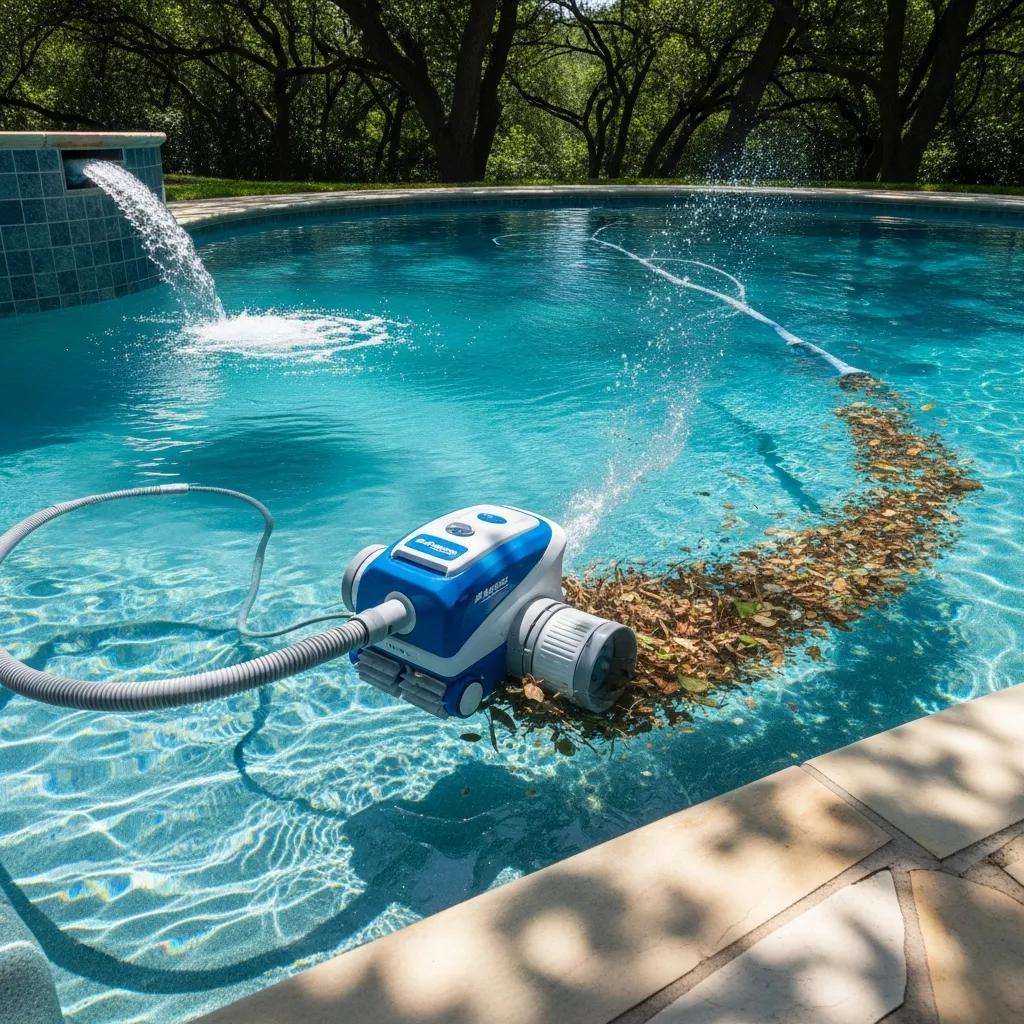
Pressure side pool cleaners utilize the pool’s existing pump and often require a booster pump to create suction and propel themselves around the pool. They are particularly effective for large debris, such as leaves and twigs, making them ideal for pools surrounded by trees. However, they require a booster pump, which can increase energy consumption. Additionally, pressure side cleaners may not be as effective on fine debris, such as dirt and algae, compared to robotic cleaners.
How to Choose the Best Automated Pool Cleaner for Your Pool Type and Debris
Selecting the right automated pool cleaner involves considering several factors, including the type of pool, the debris commonly found, and your budget. Understanding these elements will help you make an informed decision.
Which Pool Cleaner Is Best for Inground vs. Above Ground Pools?
For inground pools, robotic cleaners are often recommended due to their efficiency and ability to navigate complex shapes. They can handle various surfaces and provide thorough cleaning. In contrast, above ground pools may benefit from suction side cleaners, which are typically more affordable and easier to use. It’s essential to consider the specific features of each cleaner to match your pool type effectively.
How Does Debris Type Influence Pool Cleaner Selection?
The type of debris in your pool significantly impacts the choice of cleaner. For instance, if your pool is frequently filled with leaves, a pressure side cleaner may be the best option. Conversely, if fine dirt and algae are common, a robotic cleaner would be more effective due to its superior filtration capabilities. Understanding the debris type will guide you in selecting a cleaner that meets your specific needs.
What Are the Top Automated Pool Cleaner Models in 2024 and How Do They Compare?
As of 2024, several automated pool cleaner models stand out for their performance and features. This section will compare some of the best options available in the market.
Which Are the Best Robotic Pool Cleaners: Dolphin Premier, Sigma, and Aiper Scuba S1?
The Dolphin Premier is known for its advanced navigation and powerful suction capabilities, making it suitable for various pool types. The Sigma model offers smart features, including app control and customizable cleaning cycles, enhancing user convenience. The Aiper Scuba S1 is a budget-friendly option that still delivers effective cleaning performance, making it ideal for those looking for value without compromising quality.
How Do Pressure Side and Suction Side Cleaners Like Polaris 360 and Zodiac Baracuda Compare?
The Polaris 360 is a popular pressure side cleaner that excels in handling large debris and is compatible with most pool types. In contrast, the Zodiac Baracuda is a suction side cleaner known for its simplicity and effectiveness in cleaning fine debris. Both models have their strengths, and the choice between them will depend on the specific cleaning needs of your pool.
What Are the Key Features and Technologies to Consider When Buying an Automated Pool Cleaner?
When purchasing an automated pool cleaner, several key features and technologies should be considered to ensure optimal performance and convenience.
How Do Smart Navigation, App Control, and Cordless Designs Enhance Pool Cleaning?
Smart navigation technology allows robotic cleaners to map the pool and clean efficiently, reducing the time spent on maintenance. App control features enable users to schedule cleanings and monitor the cleaner’s performance remotely. Cordless designs eliminate the hassle of tangled cords, providing greater freedom of movement and ease of use.
Why Is Energy Efficiency Important and How Do Dual DC Motors Save Costs?
Energy efficiency is crucial for reducing operational costs and environmental impact. Cleaners equipped with dual DC motors consume less energy while providing powerful suction and cleaning capabilities. This technology not only saves money on electricity bills but also extends the lifespan of the cleaner by reducing wear and tear on components.
How to Install, Maintain, and Troubleshoot Your Automated Pool Cleaner for Longevity
Proper installation and maintenance are essential for ensuring the longevity and effectiveness of your automated pool cleaner. This section will provide guidance on best practices.
What Are the Best Practices for Installing Different Types of Pool Cleaners?
Installation practices vary depending on the type of cleaner. For robotic cleaners, ensure that the power supply is easily accessible and that the cleaner is placed in the pool according to the manufacturer’s instructions. Pressure side cleaners require proper connection to the booster pump, while suction side cleaners should be attached to the skimmer or dedicated suction line for optimal performance.
How Can You Troubleshoot Common Issues and Maintain Your Pool Cleaner Effectively?
Common issues with automated pool cleaners include poor suction, navigation problems, and debris clogs. Regular maintenance, such as cleaning the filter and checking for blockages, can prevent these issues. If problems persist, consulting the user manual or contacting customer support can provide additional troubleshooting steps.
What Are the Frequently Asked Questions About Automated Pool Cleaners?
Automated pool cleaners often raise several questions among potential buyers. This section addresses some of the most common inquiries.
What Is the Best Type of Automatic Pool Cleaner for Different Needs?
The best type of automatic pool cleaner depends on individual needs. Robotic cleaners are ideal for comprehensive cleaning and advanced features, while pressure side cleaners excel in handling large debris. Suction side cleaners are often the most affordable option, making them suitable for budget-conscious consumers.
Are Robotic Pool Cleaners Worth the Investment Compared to Other Types?
Robotic pool cleaners may have a higher upfront cost, but their efficiency and effectiveness can lead to long-term savings in maintenance and energy costs. Many users find that the convenience and thorough cleaning capabilities justify the investment, especially for those with larger or more complex pools.