
Custom Pool Construction Process: Your Journey Through the Complete Design and Build Phases
Designing and constructing a custom pool is an exciting journey that transforms your outdoor space into a personal oasis. This comprehensive guide will walk you through the essential phases of the custom pool design process, ensuring you understand each step from initial consultation to final installation. Many homeowners face challenges in visualizing their dream pool and navigating the complexities of construction. By understanding the process, you can make informed decisions that align with your vision and budget. This article will cover the key phases in custom pool design, the impact of permitting and approvals, the step-by-step construction process, material selection, the integration of smart technology, and the final steps for pool enjoyment and maintenance.
What Are the Key Phases in the Custom Pool Design Process?
The custom pool design process consists of several key phases that guide homeowners from concept to completion. Understanding these phases is crucial for ensuring a smooth and successful project. The primary phases include the initial consultation, design development (often including 3D design visualization), and the construction phases that follow. Each phase plays a vital role in shaping the final outcome of your pool.
How Does the Initial Consultation Shape Your Pool Vision?
The initial consultation is a critical step in the custom pool design process. During this meeting, homeowners discuss their ideas, preferences, and budget with a pool designer. This interaction helps the designer understand the client’s vision and set realistic expectations. Key topics include the desired pool size, shape, and features, as well as any specific landscaping or outdoor living elements the homeowner wishes to incorporate. By establishing a clear vision, the designer can create a tailored plan that aligns with the homeowner’s goals.
What Role Does 3D Pool Design Play in Visualizing Your Dream Pool?
3D pool design is an essential tool that allows homeowners to visualize their dream pool before construction begins. This technology provides a realistic representation of the proposed design, including dimensions, materials, and surrounding landscaping. Homeowners can see how different features, such as waterfalls or lighting, will look in their space. This visualization process not only enhances communication between the homeowner and designer but also allows for adjustments to be made based on client feedback, ensuring the final design meets expectations.
How Do Permitting and Approvals Impact Your Custom Pool Project?
What Are the Essential Pool Permitting Requirements and Local Regulations?
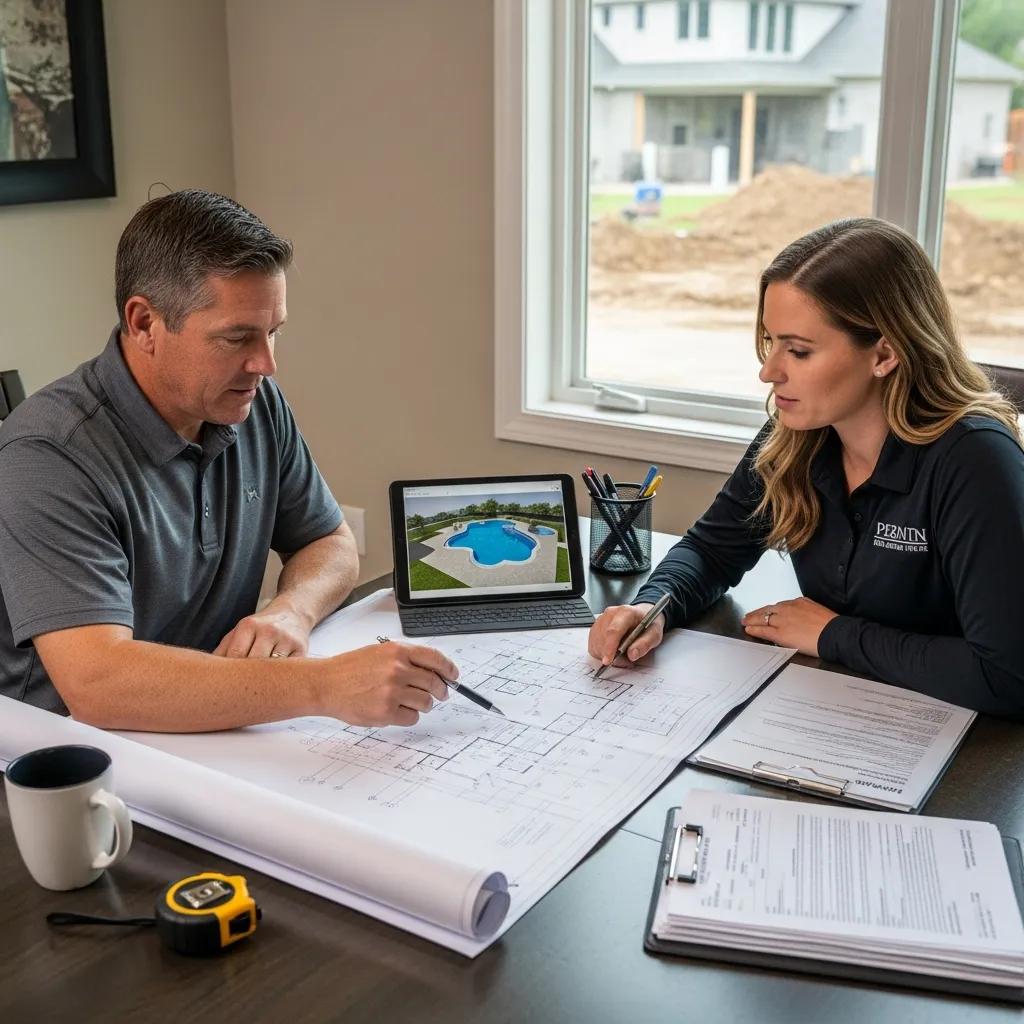
Before construction can begin, homeowners must obtain the necessary permits, which vary by location. Common requirements include building permits, electrical permits, and plumbing permits. Local building codes dictate safety standards, including fencing and pool barrier regulations. Homeowners should consult with their pool builder to ensure all permits are secured, as failure to comply can lead to costly delays or fines.
How Do Homeowners Navigate HOA and Zoning Approvals?
Homeowners often face additional challenges when dealing with Homeowners Associations (HOAs) and zoning approvals. Each HOA has its own set of rules regarding pool construction, which may include design guidelines and approval processes. Homeowners should familiarize themselves with these regulations early in the planning phase to avoid potential conflicts. Engaging with the HOA and submitting the necessary documentation can streamline the approval process, allowing construction to proceed without unnecessary delays.
What Are the Step-by-Step Phases of Custom Pool Construction?
How Is Site Preparation and Excavation Conducted for Inground Pools?
Site preparation and excavation are the first steps in the construction process. This phase involves assessing the site, marking the pool layout, and excavating the area to the required depth. Proper excavation is essential for ensuring the structural integrity of the pool. Safety measures, such as shoring up the excavation site, are also implemented to protect workers and the surrounding area.
What Are the Differences Between Gunite and Fiberglass Pool Shell Construction?
Once excavation is complete, the next step is constructing the pool shell. Homeowners typically choose between gunite and fiberglass options.
Gunite pools are made from a mixture of cement and sand, sprayed over a rebar framework, allowing for custom shapes and sizes. They are durable and long-lasting but require more time to install and cure.
In contrast, fiberglass pools come pre-formed and are quicker to install, but they offer less flexibility in design and size. Each option has its pros and cons, and homeowners should consider their preferences and budget when making a decision.
Which Materials and Features Enhance Your Custom Pool’s Design and Functionality?
Selecting the right materials and features is crucial for enhancing the design and functionality of a custom pool. Homeowners should consider various options to create a unique and enjoyable outdoor space.
How Do You Choose Pool Interior Finishes, Coping, and Decking Materials?
Choosing the right interior finishes, coping, and decking materials can significantly impact the pool’s aesthetic and functionality. Popular interior finishes include plaster, pebble, and tile, each offering different textures and colors. Coping materials, such as natural stone or concrete, provide a finished edge around the pool, while decking options like pavers or stamped concrete enhance the surrounding area. Homeowners should consider durability, maintenance, and style when selecting these materials.
What Custom Pool Features Can Elevate Your Backyard Oasis?
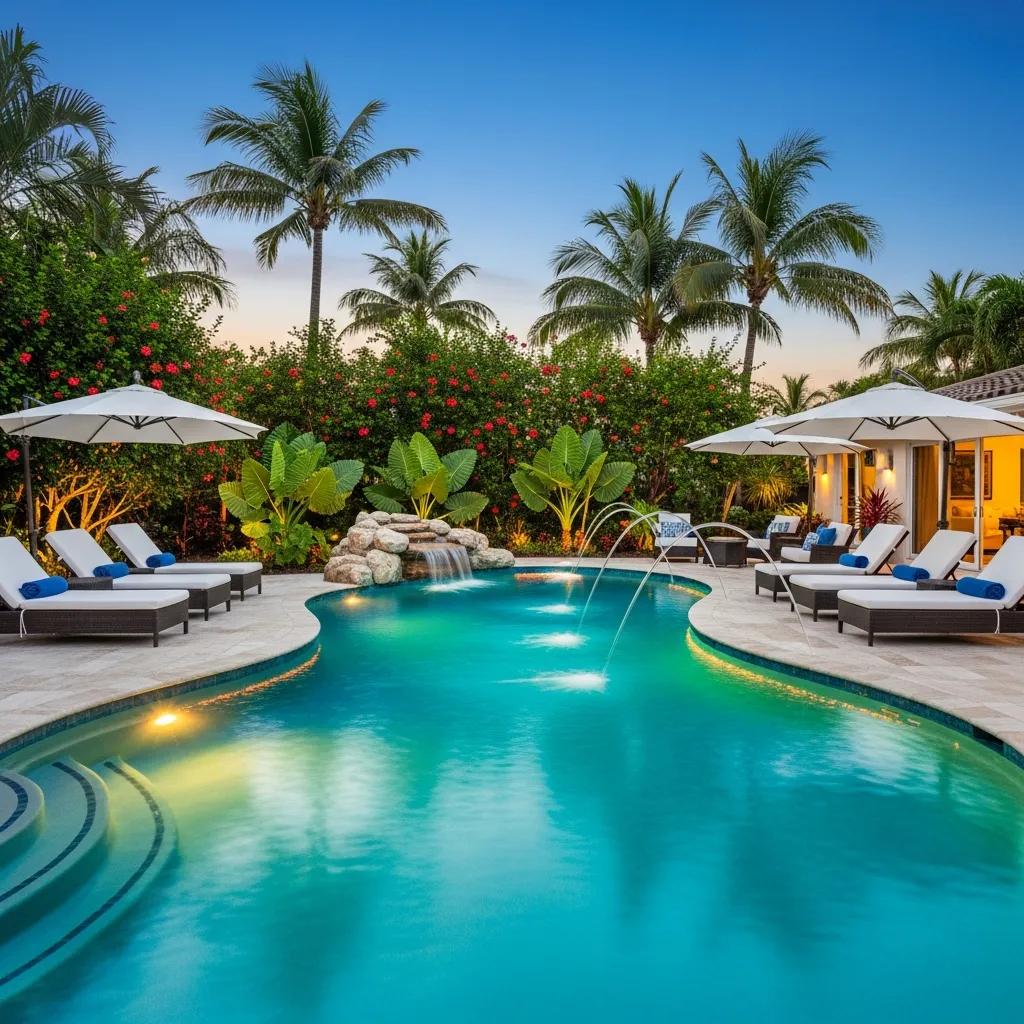
Incorporating custom features can elevate a pool’s design and functionality. Popular options include water features like fountains and waterfalls, which add visual interest and soothing sounds. Lighting options, such as LED lights, can create a stunning ambiance for evening swims. Additionally, integrating spa features or swim-up bars can enhance the overall experience, making the pool a central hub for relaxation and entertainment.
How Can Smart Technology and Eco-Friendly Options Transform Your Pool Experience?
What Are the Benefits of Smart Pool Automation and Remote Control Systems?
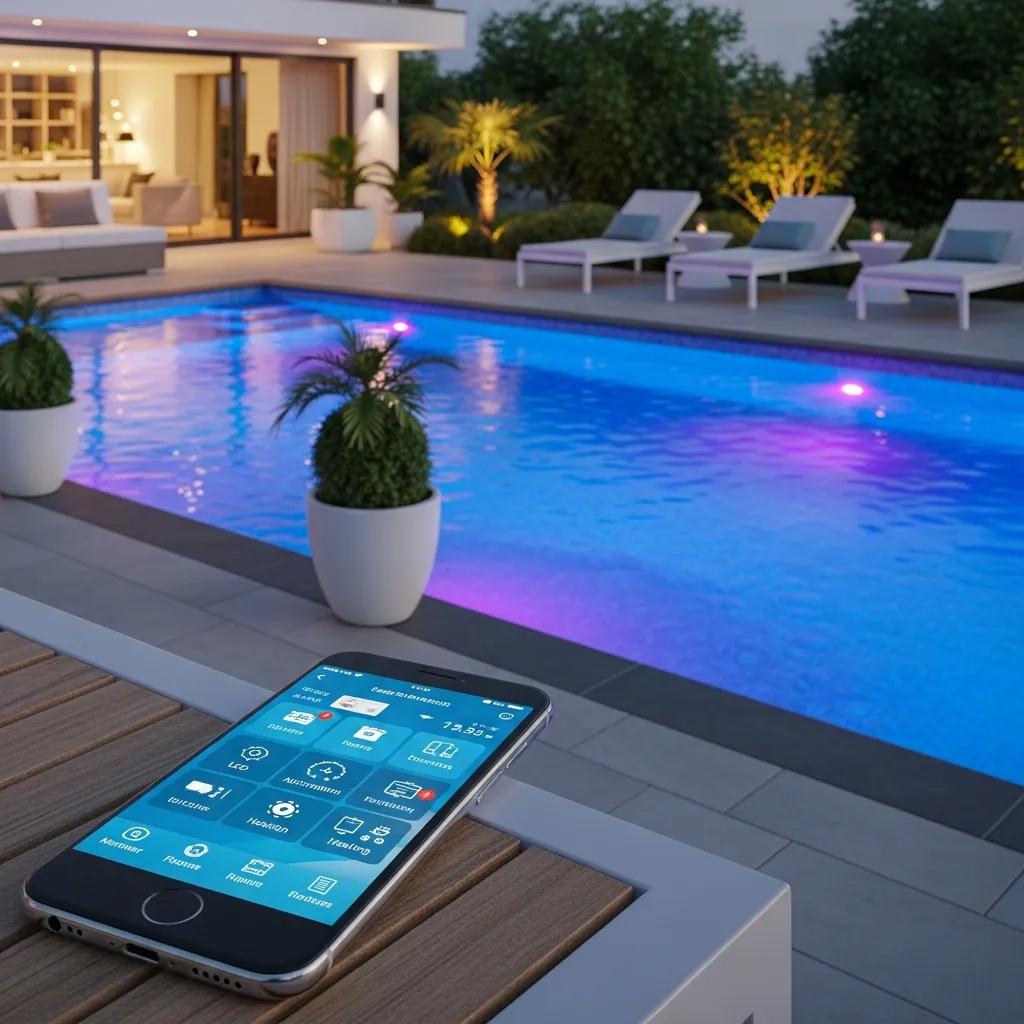
Smart pool automation systems allow homeowners to control various aspects of their pool remotely, including temperature, lighting, and cleaning schedules. This technology enhances convenience, enabling users to adjust settings from their smartphones or tablets. Additionally, automation can lead to energy savings by optimizing equipment usage, making it a smart investment for modern pool owners.
How Do Sustainable Pool Designs Reduce Environmental Impact and Costs?
Sustainable pool designs focus on reducing environmental impact and operational costs. Features such as natural filtration systems and solar heating can minimize chemical use and energy consumption. Homeowners can also consider energy-efficient equipment, such as variable-speed pumps, which reduce electricity costs. By prioritizing sustainability, homeowners not only contribute to environmental conservation but also enjoy long-term savings.
What Are the Final Steps After Construction to Enjoy and Maintain Your Custom Pool?
How Is Pool Startup, Chemical Balancing, and Initial Inspection Performed?
The pool startup process involves filling the pool with water, balancing chemicals, and conducting an initial inspection. Proper chemical balancing is crucial for ensuring water safety and clarity. Homeowners should work with their pool builder or a professional service to ensure all aspects of the startup are handled correctly, setting the stage for a safe and enjoyable swimming experience.
What Are Best Practices for Long-Term Pool Maintenance and Care?
Long-term pool maintenance is vital for preserving the pool’s condition and ensuring a safe swimming environment. Best practices include regular cleaning, checking equipment functionality, and monitoring chemical levels. Homeowners should establish a maintenance schedule and consider hiring a professional service for routine upkeep. By prioritizing maintenance, pool owners can enjoy their investment for years to come.
| Material Type | Description | Benefits |
|---|---|---|
| Plaster | Traditional pool finish | Cost-effective, smooth surface |
| Pebble | Aggregate finish | Durable, natural look |
| Tile | Ceramic or glass | Customizable, easy to clean |
This table highlights the various materials available for pool finishes, each offering unique benefits that cater to different homeowner preferences.
| Feature | Description | Impact |
|---|---|---|
| Water Features | Fountains, waterfalls | Aesthetic appeal, relaxation |
| Lighting | LED, fiber optic | Ambiance, safety |
| Automation | Remote control systems | Convenience, energy efficiency |
This table compares popular custom pool features, illustrating how each can enhance the overall pool experience.
By understanding the custom pool design process, homeowners can navigate the complexities of construction with confidence. From the initial consultation to the final touches, each phase plays a vital role in creating a beautiful and functional outdoor space. Embracing modern technology and sustainable practices further enhances the pool experience, ensuring enjoyment for years to come.