

Understanding Pool Water Chemistry Basics for Healthy Pools: How to Balance Pool Chemicals for Safe and Clear Water
Maintaining a healthy swimming pool requires a solid understanding of pool water chemistry. Proper chemical balance not only ensures clear water but also protects the health of swimmers. This comprehensive guide will delve into the essential aspects of pool water chemistry, including the key parameters that need to be monitored and adjusted. Many pool owners struggle with maintaining the right chemical levels, leading to issues such as algae growth and skin irritation. By understanding how to balance pool chemicals effectively, you can create a safe and enjoyable swimming environment. This article will cover the essential pool chemical parameters, effective testing methods, a step-by-step process for balancing chemicals, common water problems and their solutions, seasonal maintenance tips, and eco-friendly alternatives.
What Are the Essential Pool Chemical Parameters for Water Balance?
To maintain a healthy pool, it is crucial to understand the essential chemical parameters that contribute to water balance. These parameters include pH, chlorine levels, total alkalinity, and calcium hardness. Each of these factors plays a significant role in ensuring the water is safe for swimming and free from harmful contaminants.
| Parameter | Ideal Range | Importance |
|---|---|---|
| pH | 7.2 – 7.8 | Prevents skin irritation and optimizes chlorine effectiveness |
| Chlorine | 1 – 3 ppm | Kills bacteria and prevents algae growth |
| Total Alkalinity | 80 – 120 ppm | Stabilizes pH levels and prevents fluctuations |
| Calcium Hardness | 200 – 400 ppm | Prevents corrosion and scaling in pool equipment |
Understanding these parameters allows pool owners to make informed decisions about chemical adjustments and maintenance.
How Does pH Affect Pool Water and How to Adjust It?
pH is a measure of how acidic or basic the water is, and it significantly impacts water quality. A pH level below 7.2 can lead to skin irritation and corrosion of pool equipment, while a level above 7.8 can cause scaling and reduce chlorine effectiveness. To adjust pH levels, pool owners can use pH increasers like sodium carbonate (soda ash) or pH decreasers like muriatic acid or sodium bisulfate. Regular testing is essential to maintain optimal pH levels.
Why Is Chlorine Important and How to Manage Its Levels?
Chlorine is a vital chemical for pool sanitation, as it effectively kills bacteria and prevents algae growth. Maintaining chlorine levels between 1 and 3 parts per million (ppm) is crucial for safe swimming. Pool owners can manage chlorine levels by using chlorine tablets, granules, or liquid chlorine. Regular testing and adjusting based on usage and environmental factors are necessary to keep chlorine levels within the ideal range.
How to Test Your Pool Water Effectively for Accurate Chemical Levels?
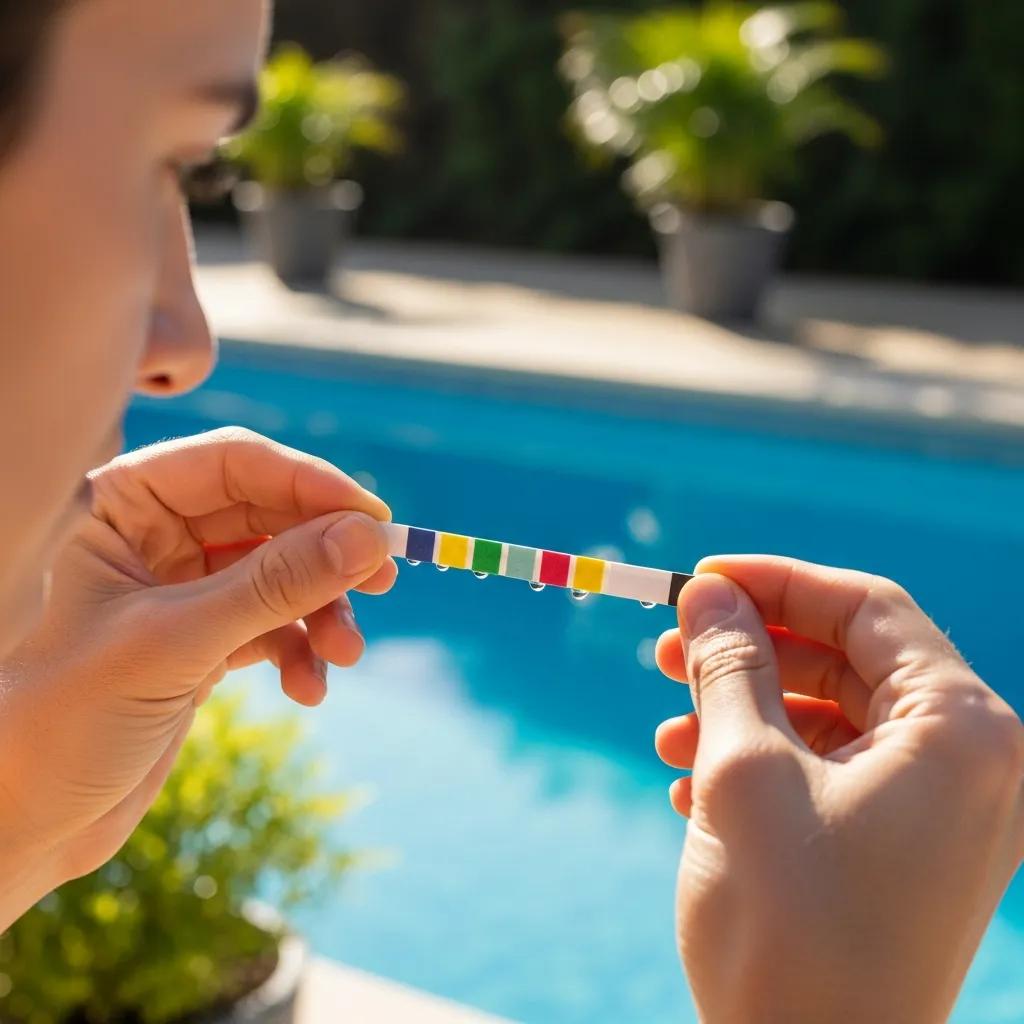
Testing pool water is essential for maintaining proper chemical balance. Accurate testing allows pool owners to identify imbalances and take corrective actions promptly.
What Tools and Methods Are Best for Pool Water Testing?
Several tools and methods are available for testing pool water, including test strips, liquid test kits, and digital testers. Test strips are convenient and provide quick results, while liquid test kits offer more precise measurements. Digital testers can be very accurate but often require calibration and can be more expensive. Each method has its pros and cons, and the choice depends on the pool owner’s preferences and budget.
How Often Should You Test Pool Water for Optimal Maintenance?
Testing frequency depends on several factors, including pool usage, weather conditions, and the presence of debris. Generally, it is recommended to test pool water at least twice a week during the swimming season. However, after heavy rain or significant pool usage, more frequent testing may be necessary to ensure chemical levels remain balanced.
What Is the Step-by-Step Process to Balance Pool Chemicals Correctly?
Balancing pool chemicals involves a systematic approach to ensure all parameters are within the ideal ranges.
In What Order Should You Add Chemicals to Your Pool?
When adding chemicals, it is essential to follow a specific order to maximize effectiveness and safety. Start by adjusting total alkalinity, followed by pH, and finally chlorine levels. This order helps stabilize the water chemistry and prevents chemical reactions that could reduce effectiveness.
How Do Total Alkalinity and Calcium Hardness Influence Water Balance?
Total alkalinity acts as a buffer for pH levels, preventing drastic fluctuations. Calcium hardness is crucial for preventing corrosion of pool surfaces and equipment. If total alkalinity is too low, pH levels can become unstable, leading to potential water quality issues. Conversely, high calcium hardness can cause scaling and cloudiness in the water. Regular testing and adjustments are necessary to maintain these parameters within the ideal ranges.
What Are Common Pool Water Problems and How Can You Troubleshoot Them?
Pool owners may encounter various water problems, including imbalanced pH, cloudy water, and algae growth. Identifying these issues early can prevent more significant problems down the line.
How to Identify and Resolve High or Low pH Issues?
High pH levels can be identified by cloudy water and scaling on pool surfaces, while low pH can cause skin irritation and corrosion. To resolve high pH, add a pH decreaser such as muriatic acid or sodium bisulfate, and for low pH, use a pH increaser like soda ash. Regular testing is essential to monitor and maintain balanced pH levels.
What Causes Cloudy Water and Algae Growth, and How to Fix Them?
Cloudy water can result from several factors, including high pH, insufficient chlorine levels, poor filtration, or high levels of dissolved solids. Algae growth is often a sign of inadequate sanitation or poor circulation. To fix these issues, ensure proper chemical balance, increase filtration time, shock the pool with a higher dose of chlorine if necessary, and consider using algaecides as a preventive measure.
How to Maintain Pool Water Chemistry Throughout Different Seasons?
Seasonal changes can significantly impact pool water chemistry, requiring adjustments to maintain balance.
What Seasonal Adjustments Are Needed for Pool Chemical Levels?
During warmer months, increased pool usage and higher temperatures may require more frequent testing and chemical adjustments. In colder months, pool owners may need to lower chlorine levels and consider winterizing the pool to prevent damage. Each season presents unique challenges, and understanding these can help maintain optimal water quality year-round.
How Do Temperature and Weather Affect Pool Water Chemistry?
Temperature and weather conditions can influence chemical reactions in the pool. For instance, higher temperatures can increase chlorine demand, while heavy rain can dilute chemical levels and introduce contaminants. Monitoring weather patterns and adjusting chemical levels accordingly is crucial for maintaining a healthy pool.
What Are Eco-Friendly Alternatives and Advanced Pool Chemistry Solutions?

As environmental awareness grows, many pool owners are seeking eco-friendly alternatives to traditional pool chemicals.
Which Sustainable Chemicals Can Replace Traditional Pool Treatments?
Sustainable options include mineral-based sanitizers, such as copper and silver ion systems, which can effectively reduce the need for chlorine but usually require some chlorine or alternative oxidizers to maintain water clarity and sanitation. Additionally, using natural enzymes can help break down organic matter, reducing chemical reliance. These alternatives can provide a safer swimming environment while minimizing environmental impact.
How Do Smart Monitoring Systems Improve Pool Water Maintenance?
Smart monitoring systems offer real-time data on pool chemistry, allowing for precise adjustments and reducing the need for manual testing. These systems can alert pool owners to imbalances and suggest corrective actions, making pool maintenance more efficient and effective.