
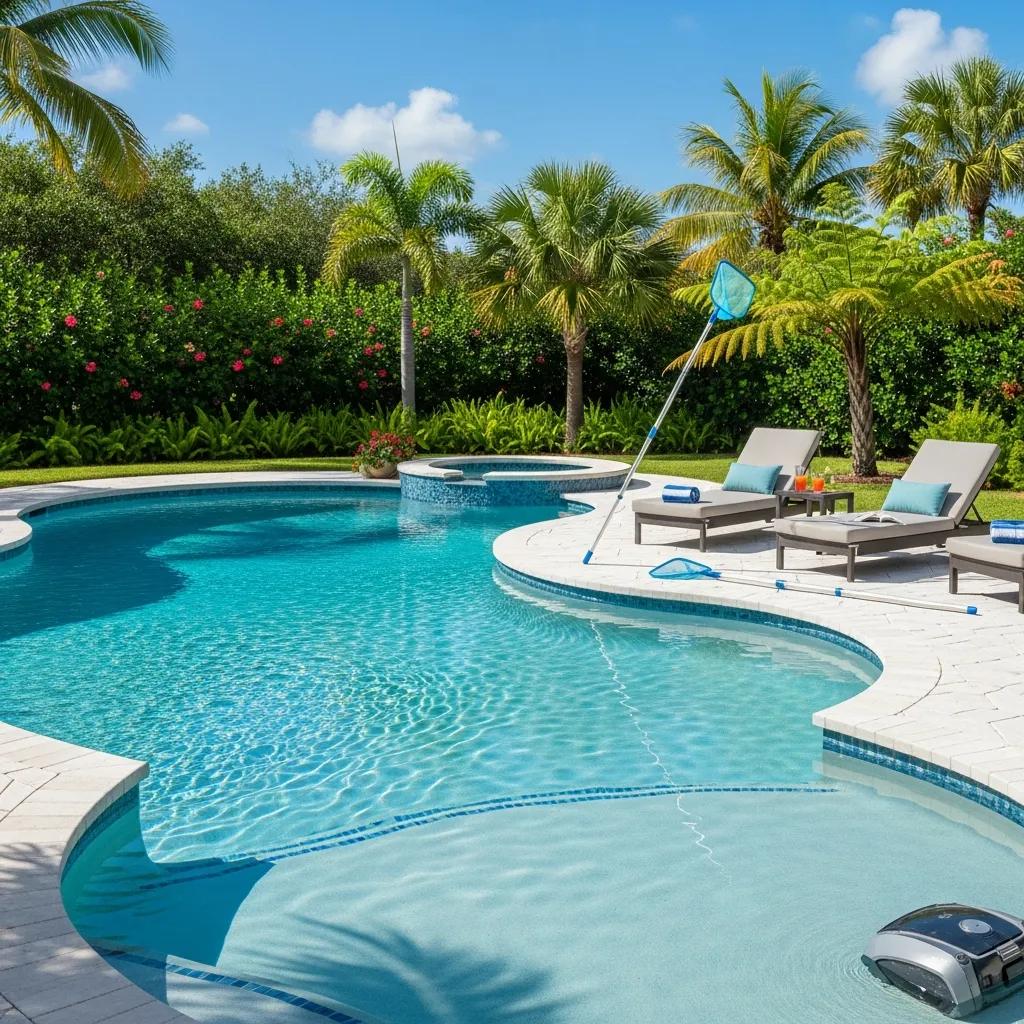
Troubleshooting Common Pool Problems & Quick Solutions: Effective Fixes for Pool Owners
Maintaining a pool can be a rewarding experience, but it often comes with its share of challenges. From cloudy water to algae growth, pool owners frequently encounter issues that require prompt attention. This article aims to provide effective troubleshooting techniques and quick solutions for common pool problems, ensuring that your swimming experience remains enjoyable and safe. By understanding the underlying causes of these issues, you can implement effective fixes and preventative measures. We will explore how to clear cloudy water, treat green pool water, detect leaks, troubleshoot pump problems, balance chemicals, and implement preventative maintenance strategies.
How Can You Quickly Fix Cloudy Pool Water?
Cloudy pool water is a common issue that can arise from various factors, including imbalanced chemicals and poor filtration. Understanding how to quickly address this problem is essential for maintaining a clean and inviting swimming environment. The clarity of pool water is crucial not only for aesthetic reasons but also for safety, as cloudy water can hide potential hazards.
What Are the Common Causes of Cloudy Pool Water?
- Imbalanced pH Levels: When pH levels are too high or too low, it can lead to cloudiness.
- Poor Filtration: Inadequate filtration can result in the accumulation of debris and contaminants.
- High Levels of Contaminants: Organic matter, such as leaves and dirt, can cloud the water if not properly managed.
- High Total Alkalinity or Calcium Hardness: Excessive alkalinity or calcium can cause scaling and cloudiness.
Identifying these causes is the first step in restoring your pool’s clarity.
What Step-by-Step Methods Clear Cloudy Pool Water Fast?
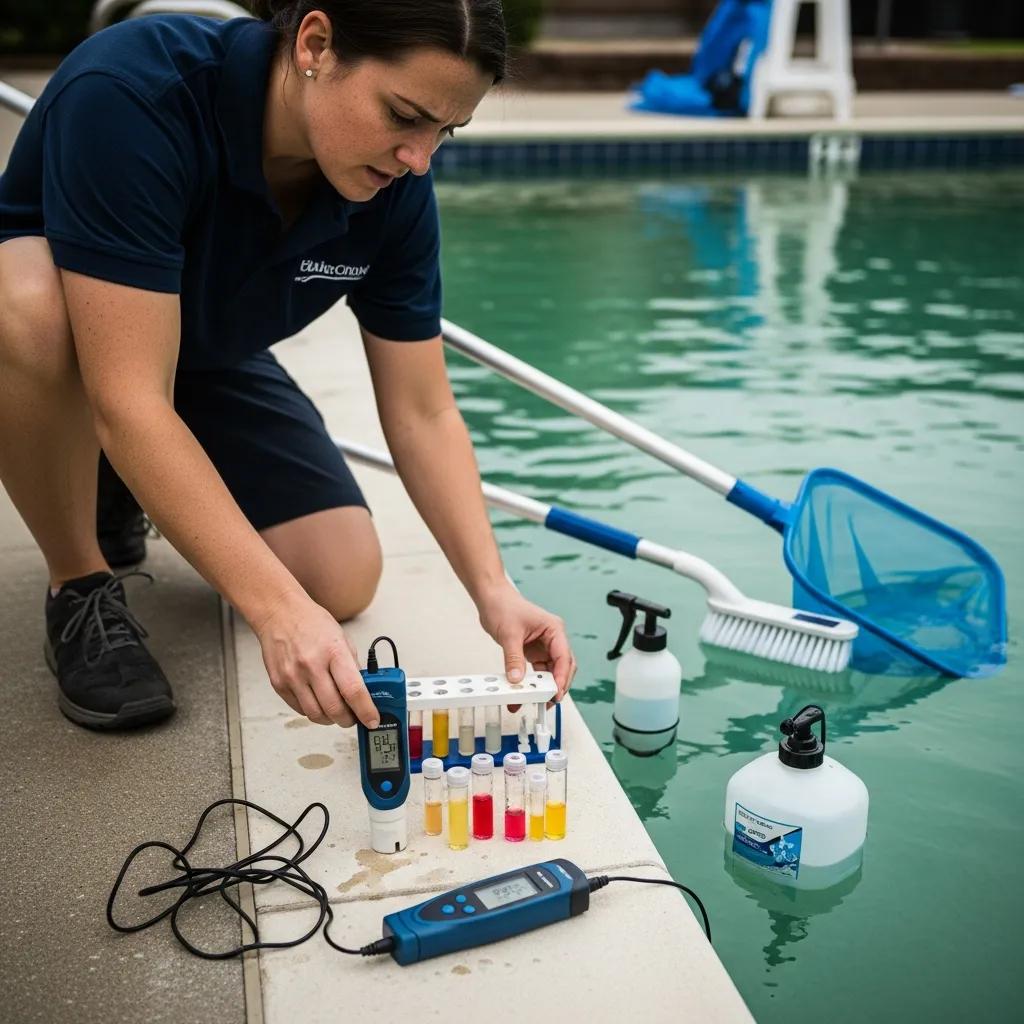
- Test Water Chemistry: Use a reliable test kit to check pH, alkalinity, calcium hardness, and chlorine levels.
- Adjust Chemical Levels: Correct any imbalances in pH, alkalinity, and calcium hardness.
- Add Clarifiers or Flocculants: Introduce a pool clarifier to help clump particles together for easier filtration, or use a flocculant to settle particles for vacuuming.
- Run the Filter Continuously: Keep the pool filter running for at least 24 hours to remove the suspended particles effectively.
- Clean or Backwash the Filter: Ensure the filter is clean to maintain optimal filtration efficiency.
Implementing these methods can significantly improve water clarity in a short amount of time.
What Are the Best Treatments for Green Pool Water and Algae?
Green pool water is often a sign of algae growth, which can quickly turn a beautiful pool into an unsightly mess. Understanding the types of algae and effective treatments is crucial for restoring your pool’s appearance and safety.
How Does Algae Cause Green Pool Water?
Algae thrive in warm, nutrient-rich environments, leading to green water when they proliferate. Factors such as insufficient chlorine levels, high temperatures, and sunlight exposure create ideal conditions for algae growth. This not only affects the pool’s appearance but can also pose health risks to swimmers.
Which Algae Removal Techniques Are Most Effective?
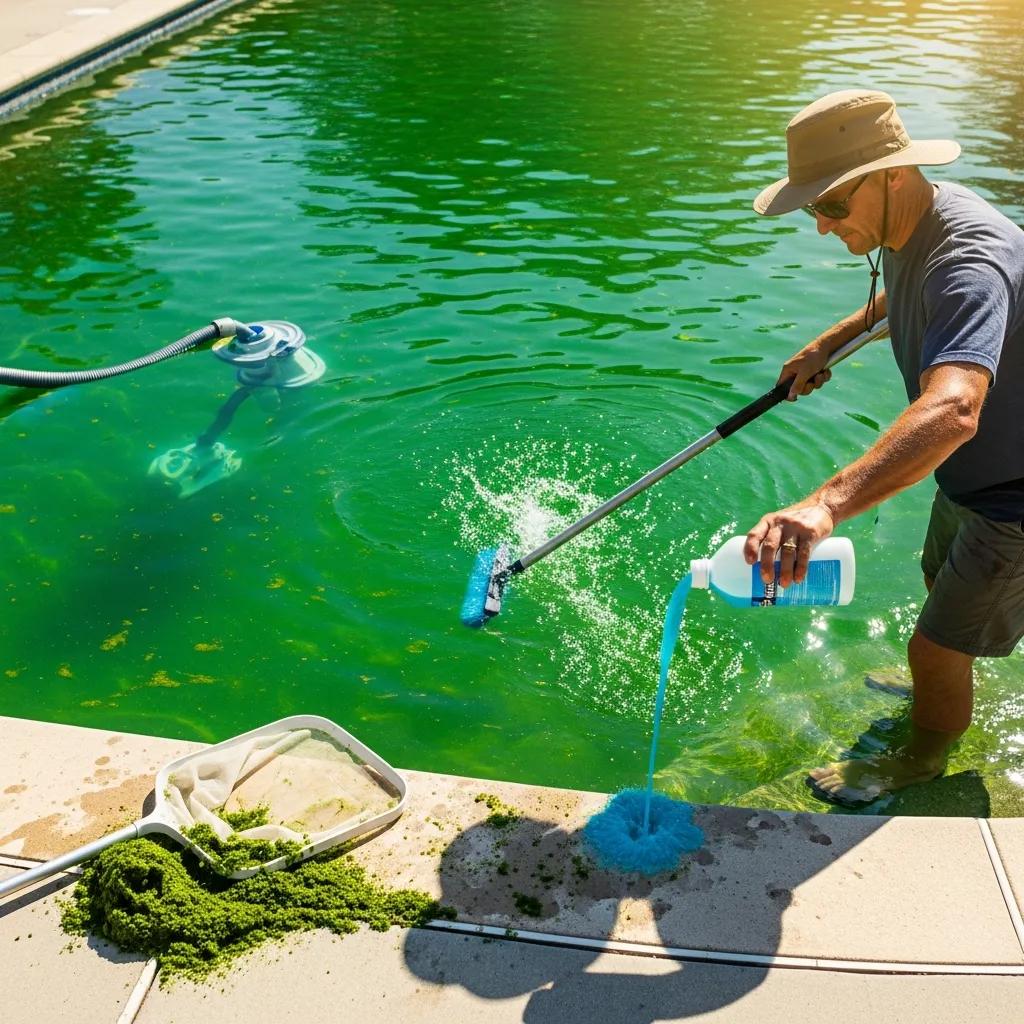
- Chemical Treatments: Use algaecides specifically designed to target different types of algae, but always maintain proper chlorine levels as the primary sanitizer.
- Shock Treatment: Superchlorinate the pool with a chlorine shock to kill algae and bacteria.
- Physical Removal Methods: Brush the pool walls and floor to dislodge algae, followed by vacuuming.
- Preventative Measures: Regularly check and maintain chlorine levels to prevent future outbreaks.
These techniques can help restore your pool to its clear and inviting state.
How Do You Detect and Repair Pool Leaks Efficiently?
Detecting and repairing pool leaks is essential for maintaining water levels and preventing costly water bills. Understanding the signs of leaks and the best detection methods can save you time and money.
What Are the Signs and Symptoms of Pool Leaks?
- Unexplained Water Loss: If your pool loses water faster than the expected evaporation rate (typically about 1/4 to 1/2 inch per day depending on climate), it may indicate a leak.
- Wet Spots Around the Pool: Puddles or soggy areas near the pool can signal a leak in the plumbing or pool shell.
- Increased Water Bills: A sudden spike in your water bill can be a clear indicator of a leak.
Which DIY and Professional Leak Detection Methods Work Best?
- Dye Testing: Introduce dye near suspected leak areas to see if it gets drawn into the crack.
- Bucket Test: Compare water loss inside the pool to evaporation rates by placing a bucket of water on a step and measuring water loss in both.
- Pressure Testing: This method involves pressurizing the plumbing system to identify leaks.
- Professional Services: Hiring a professional leak detection service can provide accurate results and save time.
Using these methods can help you pinpoint leaks and implement necessary repairs.
How Can You Troubleshoot Common Pool Pump Problems?
Pool pumps are vital for maintaining water circulation and cleanliness. Troubleshooting common pump issues can prevent larger problems down the line.
What Are Typical Pool Pump Issues and Their Causes?
- Pump Not Priming: This can occur due to air leaks in the suction line, low water levels, or clogged pump baskets.
- Strange Noises: Unusual sounds may indicate mechanical issues such as bearing failure or debris in the pump.
- Loss of Suction: This can result from clogged filters, blocked skimmers, or closed valves.
What Are the Steps to Diagnose and Fix Pool Pump Malfunctions?
- Check Power Supply: Ensure the pump is receiving power and that the circuit breaker is not tripped.
- Inspect for Clogs: Look for debris in the skimmer and pump basket that may be obstructing flow.
- Check Pump Lid and Seals: Ensure the pump lid is tight and the O-ring is lubricated and intact to prevent air leaks.
- Test Pump Operation: Run the pump to see if it operates normally after addressing any identified issues.
These steps can help restore your pump’s functionality and ensure proper water circulation.
How Do You Balance Pool Chemicals for Optimal Water Quality?
Maintaining balanced pool chemicals is crucial for ensuring safe and enjoyable swimming conditions. Understanding the roles of various chemicals can help you achieve optimal water quality.
What Is the Role of pH, Alkalinity, and Calcium Hardness in Pool Water?
- pH: This measures the acidity or alkalinity of the water, affecting chlorine effectiveness and swimmer comfort. Ideal pH is typically between 7.2 and 7.8.
- Alkalinity: This acts as a buffer for pH levels, helping to stabilize them. Ideal total alkalinity is usually between 80 and 120 ppm.
- Calcium Hardness: This measures the amount of dissolved calcium in the water, which is essential for preventing corrosion and scaling. Ideal calcium hardness is generally between 200 and 400 ppm.
Balancing these parameters is vital for maintaining water quality and protecting pool equipment.
How Do You Test and Adjust Pool Chemicals Safely?
- Use Testing Kits: Invest in reliable testing kits to measure pH, alkalinity, calcium hardness, and chlorine levels accurately.
- Add Chemicals Gradually: Introduce chemicals slowly to avoid drastic changes in water chemistry.
- Follow Safety Precautions: Always wear gloves and goggles when handling pool chemicals to ensure safety.
These practices can help you maintain a safe and enjoyable swimming environment.
What Preventative Measures Help Avoid Common Pool Problems?
Preventative maintenance is key to avoiding common pool issues. Implementing regular maintenance tasks can save time and money in the long run.
How Does Regular Maintenance Prevent Issues Like Algae and Cloudiness?
- Regular Cleaning: Skimming debris and vacuuming the pool helps prevent algae growth.
- Chemical Balancing: Consistently checking and adjusting chemical levels can prevent imbalances that lead to cloudy water.
- Equipment Checks: Regularly inspecting and servicing pool equipment ensures optimal performance.
These preventative measures can significantly reduce the likelihood of encountering common pool problems.
When Should You Call a Professional for Pool Troubleshooting?
- Complex Issues Arise: If you encounter persistent problems that you cannot resolve, a professional can provide expert assistance.
- Safety Concerns Exist: If you suspect electrical issues or significant leaks, it’s best to consult a professional.
- Time Constraints: If you lack the time or expertise to address issues, hiring a professional can save you stress and ensure proper repairs.
Recognizing these situations can help you maintain your pool effectively and safely.
| Pool Problem | Common Causes | Quick Solutions |
|---|---|---|
| Cloudy Water | Imbalanced pH, Poor Filtration, High Alkalinity or Calcium | Test water, adjust chemicals, add clarifiers, run filter |
| Green Water | Algae Growth | Use algaecides, shock pool, brush and vacuum |
| Pool Leaks | Cracks, Plumbing Issues | Dye testing, pressure testing, professional inspection |
| Pump Issues | Clogs, Power Supply, Air Leaks | Check power, inspect for debris, check seals |
| Chemical Parameter | Role | Importance |
|---|---|---|
| pH | Measures acidity/alkalinity | Affects chlorine effectiveness and swimmer comfort |
| Alkalinity | Buffers pH levels | Stabilizes water chemistry |
| Calcium Hardness | Measures dissolved calcium | Prevents corrosion and scaling |
Maintaining a pool requires diligence and knowledge, but with the right troubleshooting techniques and preventative measures, you can enjoy a clean and safe swimming experience. By addressing common issues promptly and effectively, you can ensure that your pool remains a source of enjoyment for you and your family.