
Effective Strategies for Water Conservation in Custom Pools: Solutions for Sustainable Pool Management
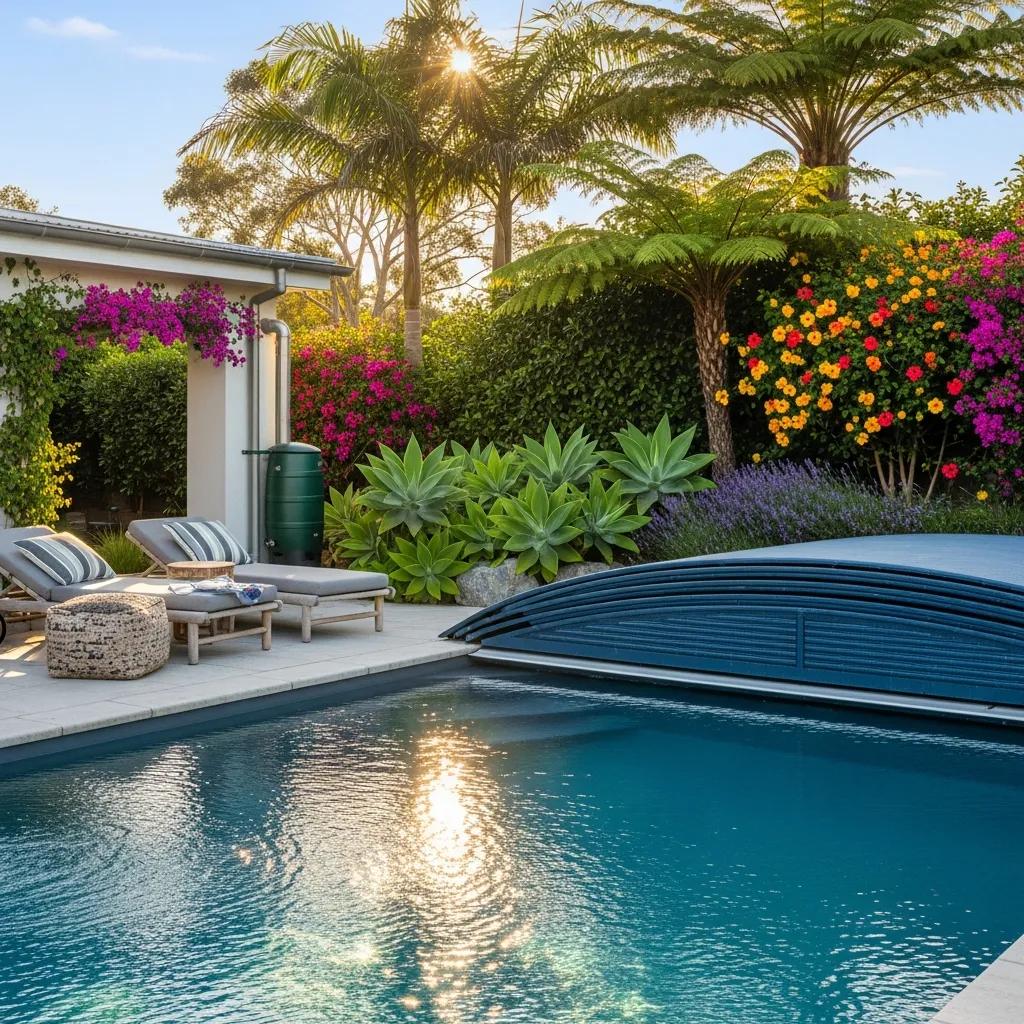
Water conservation is becoming increasingly vital as climate change and population growth put pressure on our natural resources. Custom pools, while providing enjoyment and relaxation, can also contribute to significant water loss through evaporation, leaks, and splash-out. This article explores effective strategies for water conservation in custom pools, offering solutions that not only save water but also enhance the sustainability of pool management. Readers will learn about the main causes of water loss, the benefits of pool covers, advanced water recycling systems, rainwater harvesting, smart pool technology, and effective leak detection methods. By implementing these strategies, pool owners can significantly reduce their water usage while maintaining a beautiful and functional pool.
What Are the Main Causes of Water Loss in Custom Pools?
Water loss in custom pools primarily occurs due to evaporation, leaks, and splash-out. Understanding these causes is essential for implementing effective conservation strategies. Evaporation is a natural process that can lead to substantial water loss, especially in warmer climates. Factors such as temperature, humidity, and wind speed significantly influence evaporation rates. Additionally, leaks from pool equipment or structural issues can exacerbate water loss, leading to increased maintenance costs and environmental impact. Splash-out, which occurs when water is displaced during swimming or pool activities, also contributes to water waste. By identifying these causes, pool owners can take proactive measures to mitigate water loss.
How Does Evaporation Affect Pool Water Levels?
Evaporation is a significant factor affecting pool water levels, particularly in hot and dry climates. The rate of evaporation can vary based on several factors, including air temperature, humidity, and wind speed. For instance, a pool exposed to direct sunlight can lose approximately 1/4 to 1/2 inch of water per day due to evaporation. This loss can accumulate quickly, leading to the need for frequent refills and increased water bills. To combat evaporation, pool owners can consider using pool covers, which can significantly reduce water loss by creating a barrier between the water surface and the air.
What Role Do Leaks and Splash-Out Play in Water Waste?
Leaks and splash-out are critical contributors to water waste in custom pools. Leaks can originate from various sources, including plumbing issues, cracks in the pool structure, or faulty equipment. Detecting leaks early is essential to prevent excessive water loss and costly repairs. Homeowners can perform simple DIY tests, such as the bucket test, to identify leaks. Splash-out occurs when water is displaced during swimming or pool activities, leading to additional water loss. Implementing measures to minimize splash-out, such as using pool barriers or educating swimmers about water conservation, can help reduce overall water waste.
How Can Pool Covers Reduce Water Evaporation and Save Water?
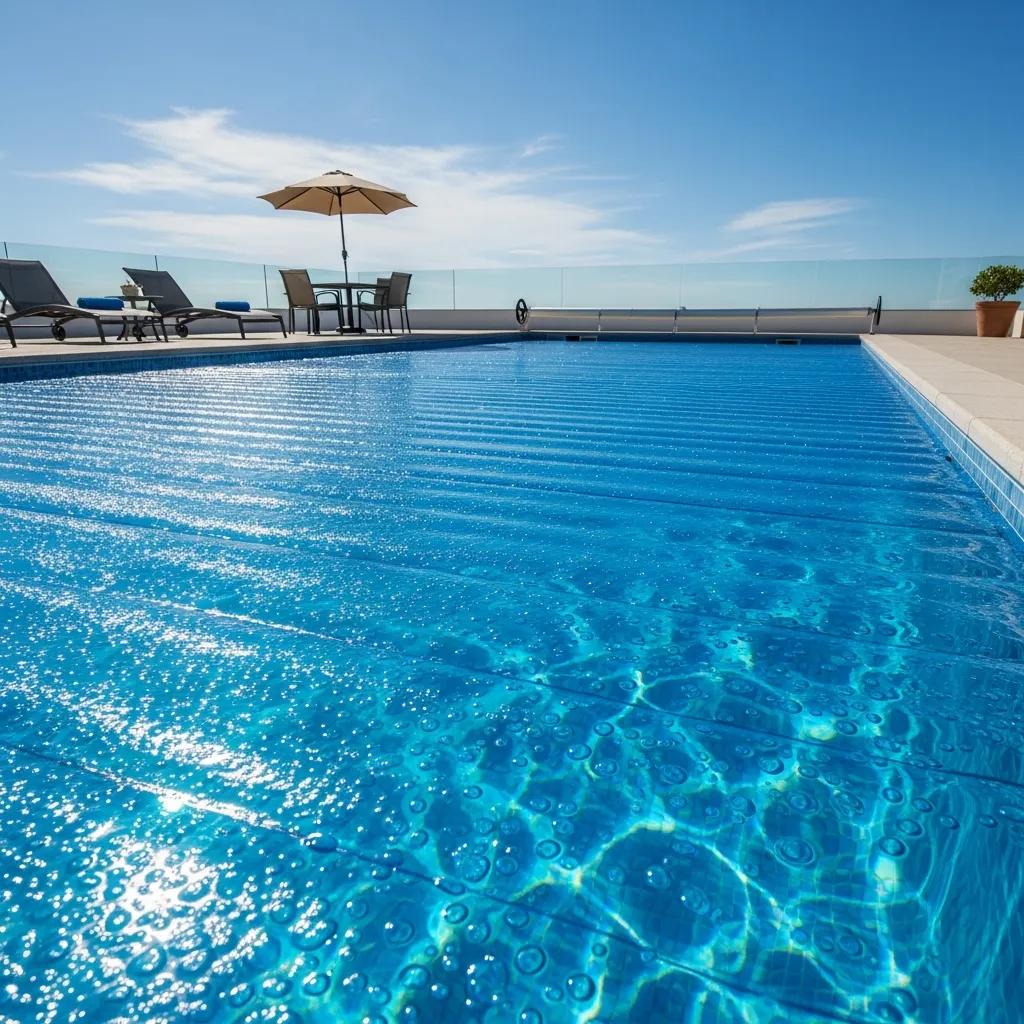
Pool covers are an effective tool for reducing water evaporation and conserving water in custom pools. By providing a physical barrier, pool covers can significantly decrease the amount of water lost to evaporation, especially during hot weather. Additionally, pool covers can help maintain water temperature, reducing the need for heating and further conserving energy.
What Types of Pool Covers Are Most Effective for Evaporation Reduction?
Several types of pool covers are available, each with unique benefits for evaporation reduction. Solar pool covers, for example, utilize solar energy to warm the water while minimizing evaporation. Automatic pool covers offer convenience and ease of use, allowing for quick covering and uncovering of the pool. Liquid pool covers create a thin film on the water’s surface, reducing evaporation without the need for physical covers. Each type of cover can contribute to significant water savings, making them a valuable investment for pool owners.
How Do Pool Covers Contribute to Heat Retention and Debris Protection?
In addition to reducing evaporation, pool covers provide benefits such as heat retention and debris protection. By trapping heat, pool covers can maintain a comfortable water temperature, reducing the need for additional heating. This not only saves energy but also enhances the swimming experience. Furthermore, pool covers prevent debris from entering the water, reducing the need for cleaning and chemical treatments. This dual functionality makes pool covers an essential component of sustainable pool management.
What Are Advanced Water Recycling Systems for Custom Pools?
Advanced water recycling systems offer innovative solutions for conserving water in custom pools. These systems can treat and reuse pool water, significantly reducing the need for fresh water. By implementing such systems, pool owners can enhance sustainability while maintaining water quality.
How Does Reverse Osmosis Enable Pool Water Recycling?
Reverse osmosis is a technology that allows for the efficient recycling of pool water. This process involves filtering water through a semi-permeable membrane, removing impurities and contaminants. The result is clean, reusable water that can be reintroduced into the pool. Reverse osmosis systems not only conserve water but also improve overall water quality, making them an excellent investment for environmentally conscious pool owners.
What Are the Benefits of Reusing Backwash Water Efficiently?
Reusing backwash water from pool filters is another effective strategy for water conservation. Backwash water, which is typically wasted during the cleaning process, can be collected and treated for reuse. This practice not only saves water but also reduces the environmental impact of pool maintenance. Efficiently reusing backwash water can lead to significant cost savings and contribute to a more sustainable pool management approach.
How Does Rainwater Harvesting Support Sustainable Pool Water Management?
Rainwater harvesting is an effective method for supporting sustainable pool water management. By collecting and storing rainwater, pool owners can supplement their water supply, reducing reliance on municipal sources and conserving precious resources.
What Are the Steps to Collect and Treat Rainwater for Pool Use?
To effectively collect and treat rainwater for pool use, homeowners can follow several key steps. First, install a rainwater collection system that directs runoff from roofs into storage tanks. Next, ensure that the collected water is properly filtered and treated to remove contaminants. Finally, integrate the treated rainwater into the pool system, allowing for efficient use of this valuable resource. By implementing these steps, pool owners can significantly enhance their water conservation efforts.
How Can Rainwater Harvesting Reduce Utility Costs and Environmental Impact?
Utilizing rainwater harvesting can lead to substantial reductions in utility costs and environmental impact. By relying on harvested rainwater for pool maintenance, homeowners can decrease their dependence on municipal water supplies, resulting in lower water bills. Additionally, this practice helps mitigate stormwater runoff, reducing the risk of flooding and pollution in local waterways. Overall, rainwater harvesting is a sustainable solution that benefits both pool owners and the environment.
How Can Smart Pool Technology Enhance Water Efficiency?
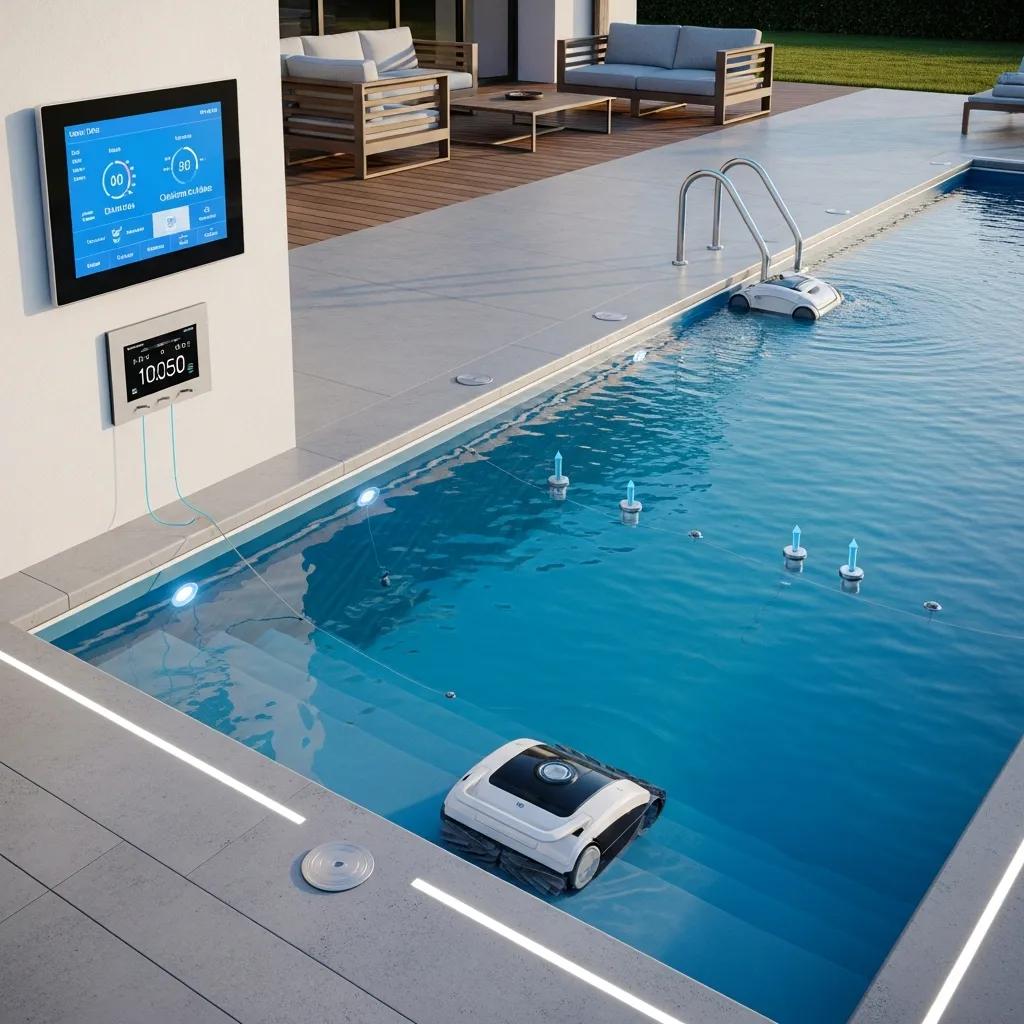
Smart pool technology is revolutionizing the way pool owners manage water usage. By integrating advanced sensors and automation systems, homeowners can optimize water levels and chemistry, leading to more efficient pool management.
What Sensors and Automation Systems Optimize Water Levels and Chemistry?
Smart sensors can monitor water levels and chemical balance in real-time, providing valuable data to pool owners. Automation systems can adjust water levels and chemical dosing automatically, ensuring optimal conditions without manual intervention. This technology not only enhances water efficiency but also simplifies pool maintenance, allowing homeowners to enjoy their pools with minimal effort.
How Do Variable-Speed Pumps Contribute to Water and Energy Savings?
Variable-speed pumps are another essential component of smart pool technology. Unlike traditional pumps that operate at a fixed speed, variable-speed pumps can adjust their flow rates based on demand. This flexibility leads to significant water and energy savings, as the pump only uses the necessary amount of power for the task at hand. By investing in variable-speed pumps, pool owners can reduce their environmental footprint while enjoying a well-maintained pool.
What Are Effective Leak Detection and Prevention Methods for Custom Pools?
Detecting and preventing leaks is crucial for conserving water in custom pools. By implementing effective methods, homeowners can minimize water loss and maintain their pools more efficiently.
How Can Homeowners Perform DIY Leak Tests Like the Bucket Test?
Homeowners can perform simple DIY leak tests, such as the bucket test, to identify potential leaks in their pools. This method involves placing a bucket filled with water on the pool steps and marking the water level inside the bucket and the pool. After 24 hours, homeowners can compare the water levels to determine if there is a leak. If the pool water level drops significantly more than the bucket, it indicates a leak that needs to be addressed.
When Should Professionals Be Consulted for Leak Detection and Repair?
While DIY methods can be effective, some situations may require professional assistance. Homeowners should consult professionals for leak detection and repair if they suspect significant leaks or if DIY methods do not yield conclusive results. Professionals have specialized equipment and expertise to accurately locate and repair leaks, ensuring that water conservation efforts are successful.
| Water Loss Cause | Description | Impact Level |
|---|---|---|
| Evaporation | Natural process leading to water loss, especially in warm climates | High |
| Leaks | Structural or equipment issues causing water to escape | High |
| Splash-out | Water displaced during swimming activities | Low to Medium |
In conclusion, implementing effective strategies for water conservation in custom pools is essential for sustainable pool management. By understanding the causes of water loss, utilizing pool covers, adopting advanced water recycling systems, harvesting rainwater, leveraging smart technology, and detecting leaks, pool owners can significantly reduce their water usage. These practices not only benefit the environment but also enhance the overall enjoyment and efficiency of custom pools.