

North Texas Pool Permits Guide: How to Secure Permits and Comply with Local Regulations
Navigating the world of pool permits in North Texas can be a daunting task for homeowners and builders alike. This comprehensive guide will provide you with essential information on securing the necessary permits and ensuring compliance with local regulations. Understanding the intricacies of pool permits is crucial, as failing to obtain them can lead to legal issues, safety hazards, and financial penalties. In this article, we will explore the definition and importance of pool permits, the varying requirements across major North Texas cities, key building codes and safety regulations, the application process, tips for choosing a contractor, and the latest updates in pool permitting. By the end, you will be well-equipped to tackle the pool permitting process with confidence.
What Are Pool Permits and Why Are They Required in North Texas?
Pool permits are official approvals required by local governments before construction or installation of a swimming pool can begin. These permits ensure that the pool complies with safety standards, zoning laws, and building codes, which are designed to protect both the homeowner and the community. Without a pool permit, homeowners risk facing fines, legal action, and potential safety hazards due to non-compliance with regulations.
What Is a Pool Permit and Its Importance for Homeowners and Builders?
A pool permit serves as a legal document that grants permission to build a pool, ensuring that the construction meets local safety and zoning regulations. For homeowners, obtaining a pool permit is essential to avoid legal repercussions and ensure the safety of their family and guests. Builders also benefit from securing permits, as it establishes their credibility and adherence to industry standards. Failure to obtain a permit can lead to costly fines and the potential requirement to dismantle the pool.
How Do Statewide and Local Regulations Affect Pool Permitting in Texas?
In Texas, pool permitting is governed by both statewide regulations and local ordinances. While the state sets minimum safety standards, local municipalities may impose additional requirements based on specific community needs. For instance, some areas may have stricter zoning laws or unique safety regulations that must be adhered to. Homeowners and builders must familiarize themselves with both levels of regulation to ensure compliance and avoid complications during the permitting process.
How Do Pool Permit Requirements Vary Across Major North Texas Cities?
The requirements for pool permits can differ significantly across major cities in North Texas, including Dallas, Fort Worth, and Frisco. Understanding these differences is crucial for homeowners and builders to navigate the permitting process effectively.
What Are the Dallas Pool Permit Requirements and Application Process?
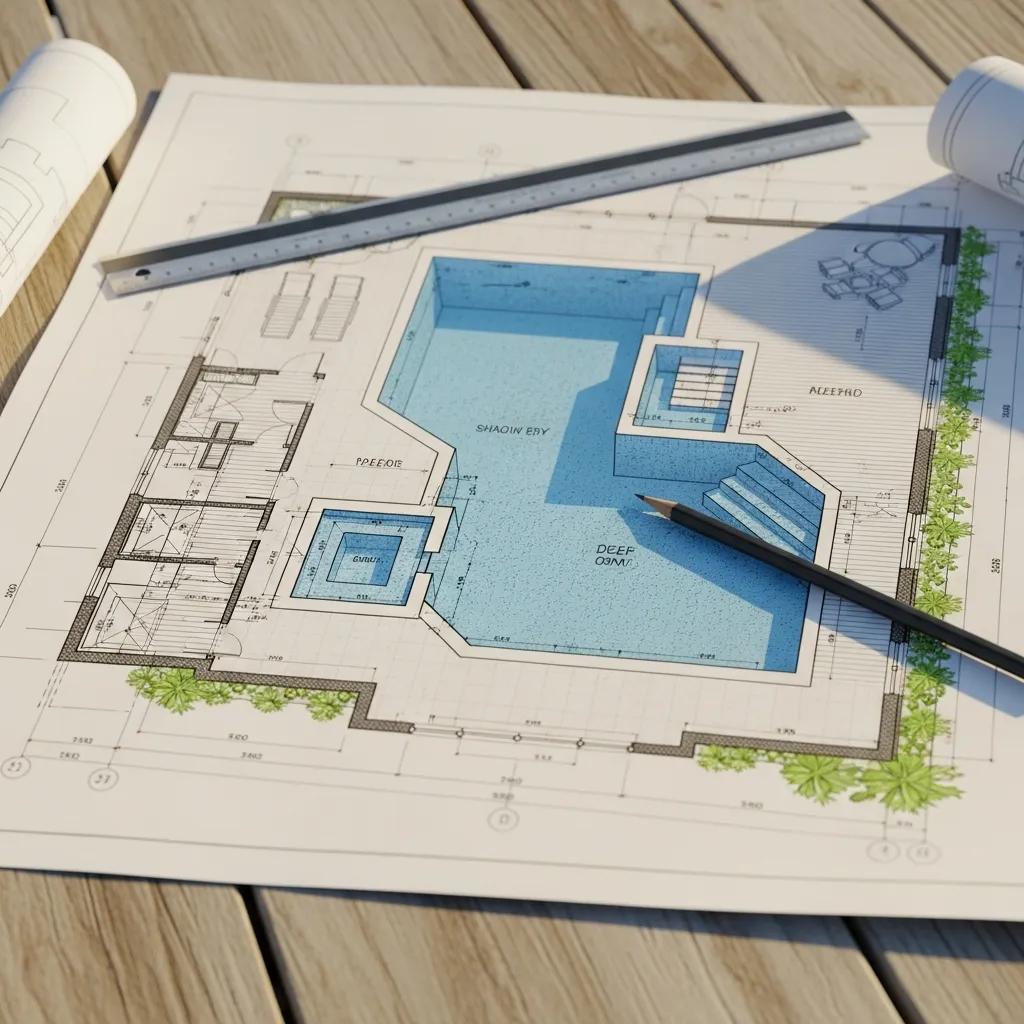
In Dallas, homeowners must submit a completed application form along with detailed plans of the proposed pool, including dimensions and safety features. Required documents typically include proof of property ownership, site plans, and any necessary engineering reports. The application fee varies based on the pool size and type.
Once submitted, the city reviews the application to ensure compliance with local codes before issuing the permit.
How Do Fort Worth and Frisco Pool Permit Processes Differ?
Fort Worth and Frisco have distinct processes for obtaining pool permits. In Fort Worth, applicants must provide a site plan and proof of insurance, while Frisco requires a more comprehensive set of documents, including a drainage plan and a survey of the property. Both cities emphasize the importance of safety features, such as fencing and alarms, but the specific requirements and fees may vary. Homeowners should consult their local building department for precise guidelines.
What Are the Key Pool Building Codes and Safety Regulations in North Texas?
Understanding the key building codes and safety regulations is essential for ensuring that your pool is safe and compliant. These regulations are designed to protect users and the surrounding community.
What Are Texas Pool Fence Laws and Barrier Requirements?
Texas law mandates that all residential pools must be enclosed by a barrier to prevent unauthorized access, particularly by children. The barrier must be at least 48 inches high and should not have any gaps that a child could slip through. Additionally, gates must be self-closing and self-latching to ensure they remain secure when not in use. Compliance with these laws is critical for the safety of pool users and to avoid potential legal issues.
How Do Electrical and Plumbing Codes Apply to Pool Construction?
Electrical and plumbing codes play a vital role in pool construction, ensuring that all installations are safe and functional. Electrical systems must be installed by licensed professionals and adhere to the National Electrical Code (NEC) standards. This includes proper grounding and bonding of all electrical equipment associated with the pool. Plumbing codes also require that all water supply and drainage systems meet local health and safety standards to prevent contamination and ensure proper water circulation.
How to Navigate the Pool Permit Application Process Effectively?
Successfully navigating the pool permit application process requires careful preparation and understanding of the necessary steps involved.
What Documents Are Required for a North Texas Pool Permit Application?
- Completed Application Form: This form includes basic information about the property and the proposed pool.
- Site Plan: A detailed drawing showing the pool’s location, dimensions, and any existing structures.
- Proof of Ownership: Documentation that verifies ownership of the property where the pool will be installed.
- Engineering Reports: If required, these reports assess the structural integrity and safety of the proposed pool design.
How Do Setback, Zoning, and Utility Easement Rules Impact Pool Placement?
Setback and zoning regulations dictate how close a pool can be to property lines, structures, and utility easements. Homeowners must ensure that their pool complies with these regulations to avoid potential fines or the need to relocate the pool after construction. It is advisable to consult local zoning ordinances and possibly engage a surveyor to confirm compliance before submitting a permit application.
How to Choose a Pool Contractor and Avoid Common Permit Pitfalls?
Selecting the right pool contractor is crucial for a successful pool installation and ensuring compliance with all permitting requirements.
What Should You Look for in a Permitted and Experienced Pool Builder?
- Licensing and Insurance: Ensure the contractor is licensed and carries liability insurance to protect against potential accidents.
- Experience: Look for builders with a proven track record in constructing pools that comply with local regulations.
- Customer Reviews: Check references and online reviews to gauge the contractor’s reputation and quality of work.
What Are Common Mistakes That Delay Pool Permit Approval?
- Incomplete Applications: Failing to provide all required documents can result in rejection or delays.
- Ignoring Local Codes: Not adhering to specific local regulations can lead to complications during the review process.
- Poor Communication: Lack of clear communication with the permitting office can result in misunderstandings and delays.
What Are the Latest Updates and Environmental Considerations for Pool Permits?
Staying informed about the latest updates in pool permitting and environmental considerations is essential for homeowners and builders.
How Do Recent Code Adoptions Like the 2018 ISPSC Affect Pool Construction?
The adoption of the 2018 International Swimming Pool and Spa Code (ISPSC) has introduced new standards for pool safety and construction. These updates emphasize enhanced safety features, such as improved barrier requirements and safety covers. Homeowners and builders must familiarize themselves with these changes to ensure compliance and avoid potential penalties.
What Environmental Factors Like Drainage and Floodplains Should Be Considered?
Environmental considerations, such as drainage and floodplain regulations, are critical when planning a pool installation. Homeowners should assess the property’s drainage patterns to prevent water accumulation around the pool area. Additionally, if the property is located in a floodplain, specific regulations may apply to ensure the pool’s safety and compliance with local laws.
| City | Permit Requirements | Application Process |
|---|---|---|
| Dallas | Completed application, site plans, proof of ownership | Submit application to city for review |
| Fort Worth | Site plan, proof of insurance | Submit application with required documents |
| Frisco | Comprehensive documentation including drainage plan and survey | Submit application for city approval |
This table summarizes the varying permit requirements and application processes across major North Texas cities, highlighting the importance of understanding local regulations.
Homeowners and builders in North Texas must navigate a complex landscape of pool permitting regulations. By understanding the requirements, selecting a qualified contractor, and staying informed about the latest updates, they can ensure a smooth and compliant pool installation process.