
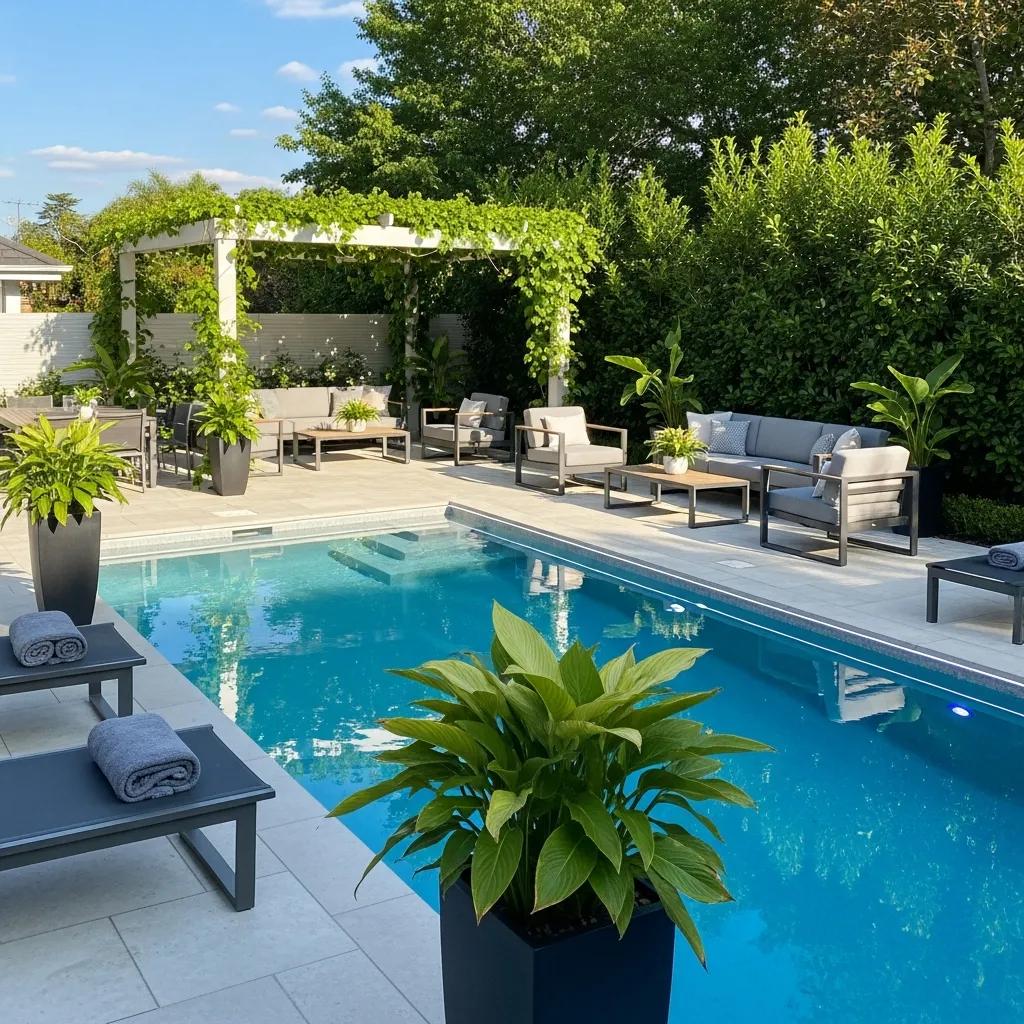
Common Questions About Pool Renovation & Upgrades: Costs, Signs, Options, and Hiring Contractors
Pool renovation and upgrades are essential for maintaining the aesthetic appeal and functionality of your swimming pool. This article addresses common questions regarding pool renovations, including signs that indicate a need for renovation, cost considerations, popular upgrade options, the renovation process, and tips for hiring the right contractor. By understanding these aspects, homeowners can make informed decisions that enhance their pool’s safety, value, and enjoyment. Whether you’re facing visible wear and tear or simply looking to modernize your pool, this guide will provide valuable insights into the renovation process.
What Are the Signs Your Pool Needs Renovation?
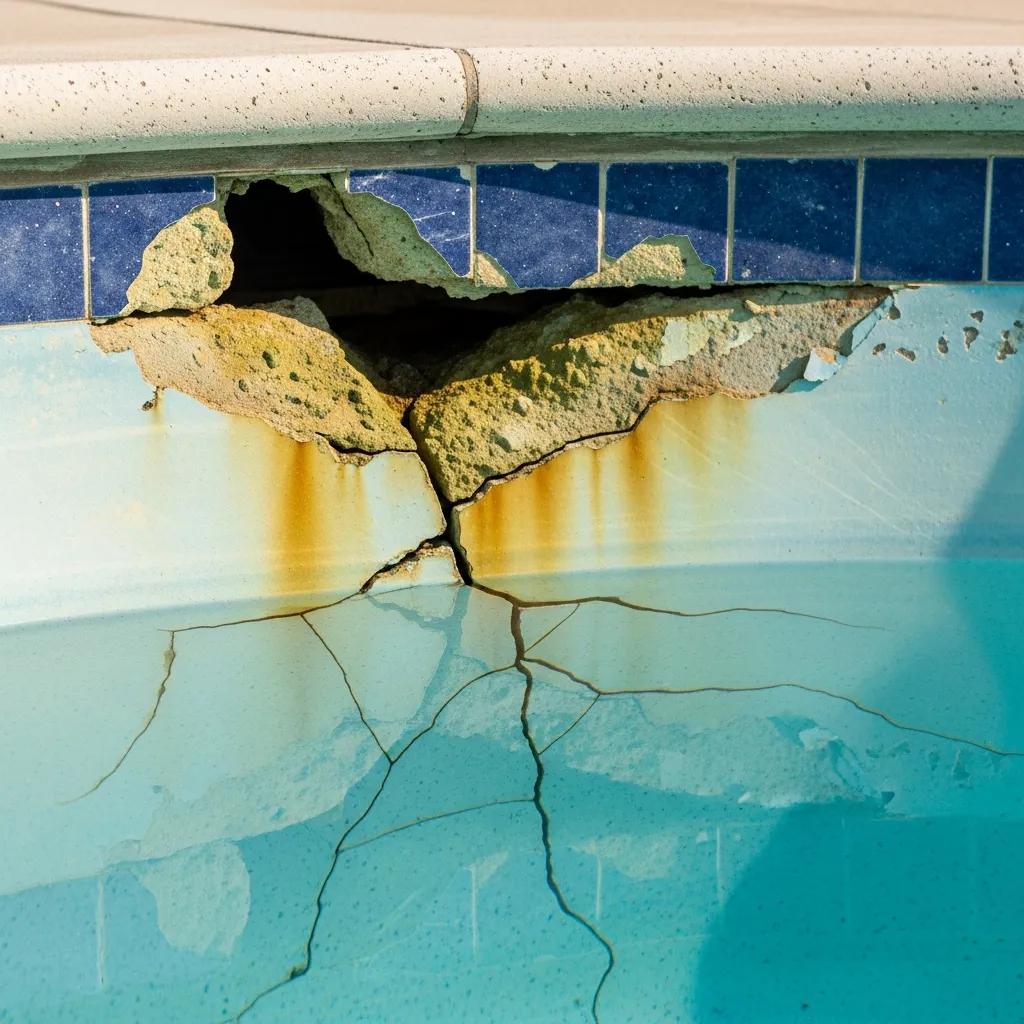
Identifying the signs that your pool requires renovation is crucial for maintaining its safety and functionality. Common indicators include visible wear and tear, safety concerns, and aesthetic issues. Recognizing these signs early can help prevent more extensive damage and costly repairs down the line.
Which Common Issues Indicate Pool Renovation Is Needed?
Several specific problems can signal the need for pool renovation:
- Cracks and Leaks: Visible cracks in the pool surface or leaks can lead to significant water loss and structural damage.
- Staining and Discoloration: Unsightly stains or discoloration on the pool surface can detract from its appearance and indicate underlying issues.
Addressing these issues promptly can prevent further deterioration and ensure a safe swimming environment.
How Does Renovation Improve Safety and Home Value?
Renovating your pool can significantly enhance safety features and increase your home’s value. Upgraded safety features, such as non-slip surfaces and improved fencing, reduce the risk of accidents. Additionally, a well-maintained pool with modern aesthetics can boost your property’s appeal, making it more attractive to potential buyers. Studies show that homes with updated pools can sell for higher prices, making renovation a worthwhile investment.
How Much Does Pool Renovation Cost?
Understanding the financial aspects of pool renovation is essential for budgeting effectively. Costs can vary widely based on the type of renovation, materials used, and the pool’s size.
What Are Average Costs for Different Renovation Types?
| Renovation Type | Average Cost Range |
|---|---|
| Pool Resurfacing | $4,000 – $8,000 |
| Equipment Upgrades | $1,500 – $5,000 |
| Water Features | $2,000 – $15,000 |
Which Factors Influence Your Pool Renovation Budget?
Several factors can influence your pool renovation budget:
- Size of the Pool: Larger pools typically require more materials and labor, increasing overall costs.
- Type of Materials Used: The choice of materials, such as tile, plaster, or fiberglass, can significantly impact the budget.
By considering these factors, homeowners can better estimate their renovation costs and plan accordingly.
What Are Popular Pool Resurfacing and Upgrade Options?
Exploring various options for resurfacing and upgrades can help homeowners choose the best enhancements for their pools. Popular options include different types of resurfacing materials and modern upgrades that enhance functionality and aesthetics.
How Do Pool Surface Finishes Compare?
When selecting a pool surface finish, homeowners have several options, each with its pros and cons:
- Plaster: Affordable and smooth, but may require more frequent maintenance and typically lasts 7-10 years.
- Pebble: Durable and slip-resistant, offering a natural look but at a higher cost and can last 10-15 years.
- Fiberglass: Usually refers to fiberglass pool shells rather than resurfacing; for resurfacing, options include fiberglass coatings which are low maintenance and quick to apply but less common.
Understanding these differences can help homeowners make informed decisions based on their preferences and budget.
What Modern Equipment and Water Features Can Enhance Your Pool?
Modern equipment and water features can significantly enhance the pool experience. Some popular options include:
- Smart Pool Technology: Automated systems for temperature control, lighting, and cleaning.
- Energy-Efficient Equipment: Pumps and heaters that reduce energy consumption and costs.
- Water Features: Fountains, waterfalls, and LED lighting that add visual appeal and ambiance.
Incorporating these features can transform a standard pool into a luxurious retreat.
How Does the Pool Renovation Process and Timeline Work?
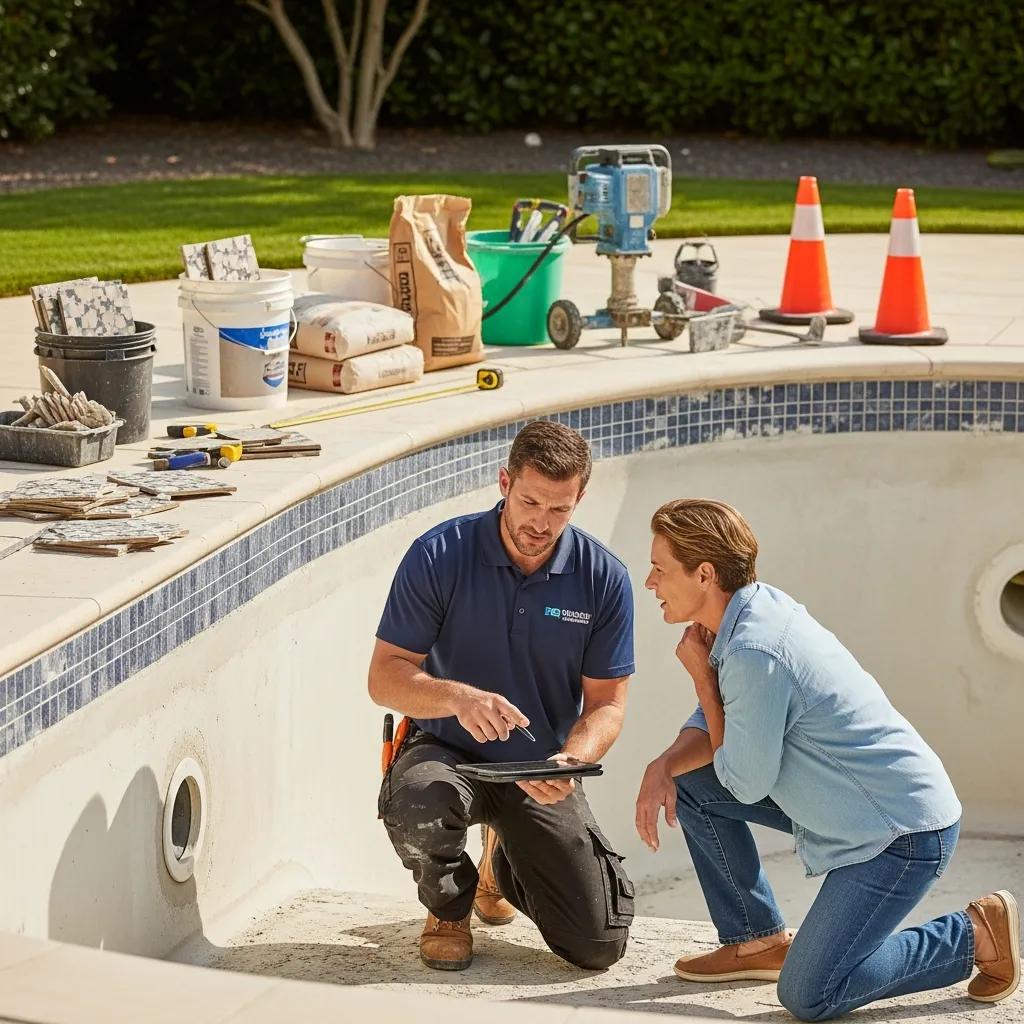
Understanding the renovation process and expected timelines can help homeowners prepare for the project. The renovation typically involves several key steps, each contributing to the overall success of the project.
What Are the Typical Steps in a Pool Renovation Project?
A typical pool renovation project includes the following steps:
- Initial Assessment: Evaluating the current condition of the pool and identifying necessary repairs.
- Design Planning: Collaborating with a contractor to create a renovation plan that meets the homeowner’s needs.
- Execution Phase: Carrying out the renovation work, including resurfacing, equipment upgrades, and installation of new features.
Each step is crucial for ensuring a successful renovation that meets safety and aesthetic standards.
How Long Does a Pool Renovation Usually Take?
The duration of a pool renovation can vary based on the project’s complexity. Generally, homeowners can expect the following timelines:
- Minor Renovations: 1-2 weeks for simple resurfacing or equipment upgrades.
- Major Renovations: 3-6 weeks for extensive renovations involving structural changes or significant upgrades.
Factors such as weather conditions and contractor availability can also impact the timeline.
How Do You Hire the Right Pool Renovation Contractor?
Selecting a qualified contractor is essential for a successful pool renovation. Homeowners should consider several factors when evaluating potential contractors.
What Should You Ask Potential Contractors?
When interviewing potential contractors, consider asking the following questions:
- Experience and References: Inquire about their experience with similar projects and request references from past clients.
- Insurance and Warranties: Ensure the contractor has proper insurance coverage and offers warranties on their work.
These questions can help homeowners gauge the contractor’s reliability and expertise.
How Can You Identify Red Flags When Choosing a Contractor?
Identifying red flags during the hiring process can prevent potential issues. Look for signs such as:
- Lack of Proper Licensing: Ensure the contractor is licensed and meets local regulations.
- Unrealistic Pricing: Be cautious of quotes that seem too good to be true, as they may indicate subpar work or hidden costs.
By being vigilant, homeowners can select a contractor who will deliver quality results and a positive renovation experience.