
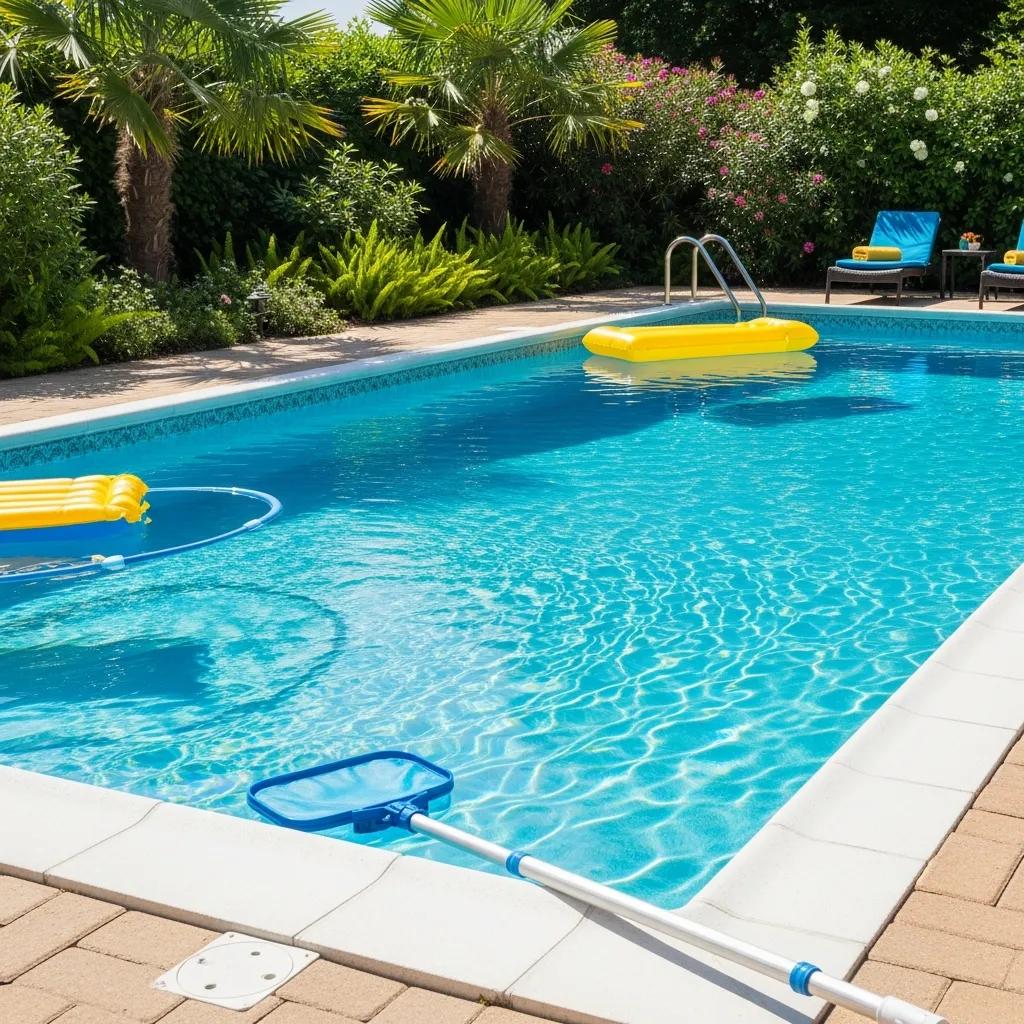
Essential Questions for New Pool Owners Answered: Your Complete Guide to Pool Care and Maintenance
Owning a pool can be a rewarding experience, but it also comes with a unique set of responsibilities and challenges. This comprehensive guide aims to address essential questions that new pool owners often have, providing valuable insights into pool care and maintenance. Understanding the intricacies of pool ownership is crucial for ensuring a safe and enjoyable swimming environment. Many new owners struggle with the complexities of maintaining water quality, managing equipment, and troubleshooting common issues. This guide will help you navigate these challenges effectively. We will cover fundamental pool basics, weekly maintenance routines, common problems and solutions, seasonal care adjustments, and advanced tips for optimizing your pool experience.
What Should New Pool Owners Know About Pool Basics?
Understanding the fundamentals of pool ownership is essential for maintaining a safe and enjoyable swimming environment. New pool owners should familiarize themselves with the various types of pools, their components, and the importance of water circulation. This foundational knowledge will empower owners to make informed decisions regarding their pool care.
How Does a Pool Circulation System Work?
A pool circulation system is vital for maintaining water quality and clarity. It consists of several key components, including the pump, filter, and return lines. The pump circulates water from the pool through the filter, which removes debris and contaminants. This process ensures that the water remains clean and safe for swimming. Proper circulation also helps distribute chemicals evenly, preventing issues such as algae growth and cloudy water. Understanding how this system operates is crucial for effective pool maintenance.
What Are the Different Types of Pools and Their Features?
There are several types of pools, each with unique features and benefits. The two primary categories are inground and above-ground pools. Inground pools are typically more permanent and can be customized in shape and size, while above-ground pools are often more affordable and easier to install. Additionally, pools can be saltwater or chlorine-based, each offering distinct advantages. Saltwater pools tend to have lower chlorine levels and are gentler on the skin, while chlorine pools are more common and easier to maintain. Knowing the differences between these options can help new owners choose the best fit for their needs.
How Do I Maintain My Pool Weekly?
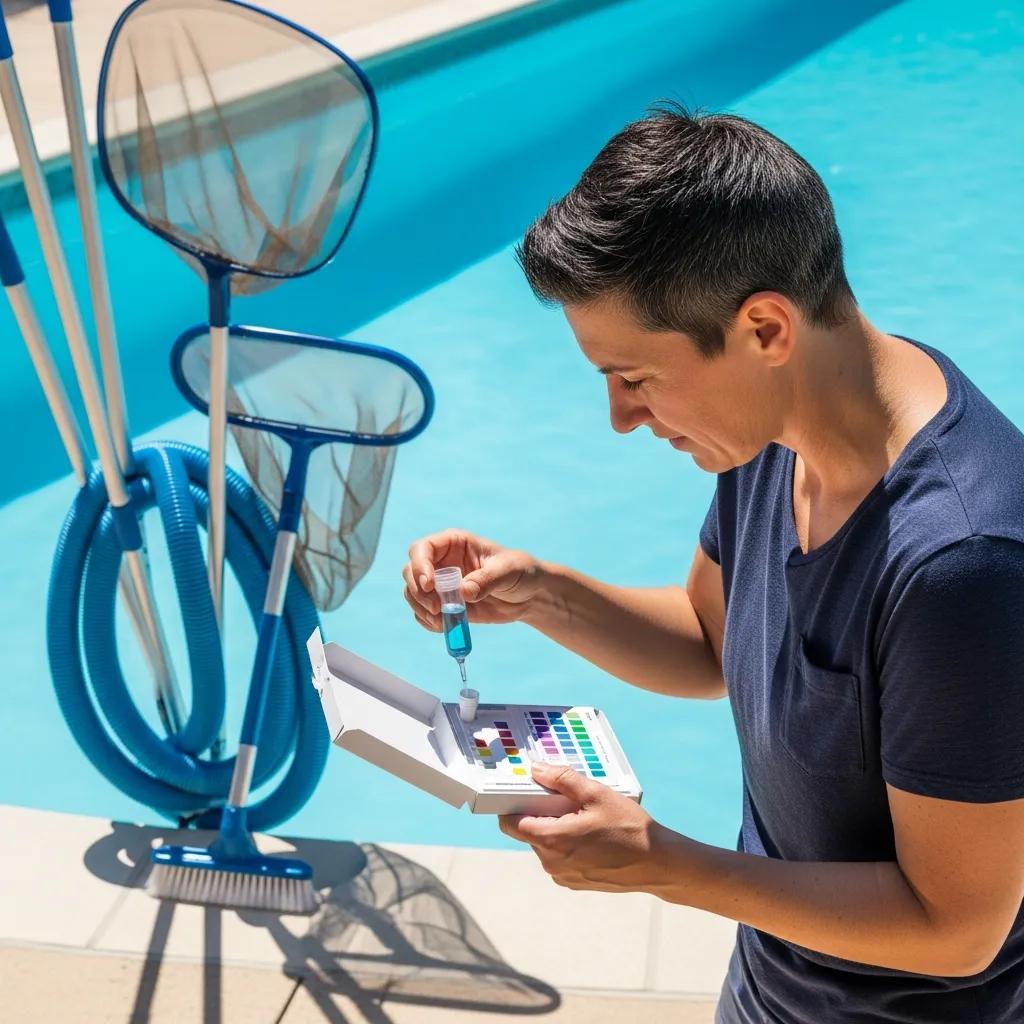
Regular maintenance is crucial for keeping your pool in optimal condition. New pool owners should establish a weekly routine that includes testing water chemistry, cleaning the pool, and checking equipment functionality. This proactive approach will help prevent larger issues down the line.
How Often Should I Test and Balance Pool Water Chemistry?
Testing and balancing pool water chemistry should be done at least once a week. Key chemical levels to monitor include pH, chlorine, alkalinity, and calcium hardness. Maintaining the correct balance is essential for preventing algae growth and ensuring swimmer safety. A simple test kit can provide accurate readings, allowing owners to make necessary adjustments. Regular testing helps keep the water clear and inviting.
What Are the Best Practices for Cleaning Your Pool?
Effective cleaning practices are vital for maintaining a healthy pool environment. Weekly cleaning should include skimming the surface for debris, brushing the walls and floor, and vacuuming the pool. Additionally, checking and cleaning the filter regularly will enhance the circulation system’s efficiency. Using the right tools, such as a pool skimmer and vacuum, can make these tasks easier and more effective. Consistent cleaning not only improves aesthetics but also prolongs the life of the pool equipment.
What Are Common Pool Problems and How Can I Solve Them?
New pool owners may encounter various common issues, including cloudy water, algae growth, and equipment malfunctions. Understanding these problems and their solutions is essential for maintaining a safe swimming environment.
What Causes Cloudy Water and How Do I Fix It?
Cloudy water is often caused by imbalanced chemicals, poor filtration, or debris accumulation. To resolve this issue, first test the water chemistry and adjust the pH and chlorine levels as needed. Additionally, ensure that the filter is functioning correctly and clean it if necessary. Regularly skimming and vacuuming the pool can also help prevent cloudiness. By addressing these factors, owners can restore clarity to their pool water.
How Do I Identify and Treat Different Types of Algae?
Algae can be a persistent problem for pool owners, manifesting in various forms such as green, yellow, or black algae. Identifying the type of algae is crucial for effective treatment. Green algae is the most common and can be treated with chlorine shock and algaecides. Yellow algae (also called mustard algae) may require more aggressive treatments, including brushing and algaecides, while black algae often necessitates scrubbing and specialized chemicals due to its tough root structure. Regular maintenance and proper water balance can help prevent algae growth in the first place.
How Do Seasonal Changes Affect Pool Care?
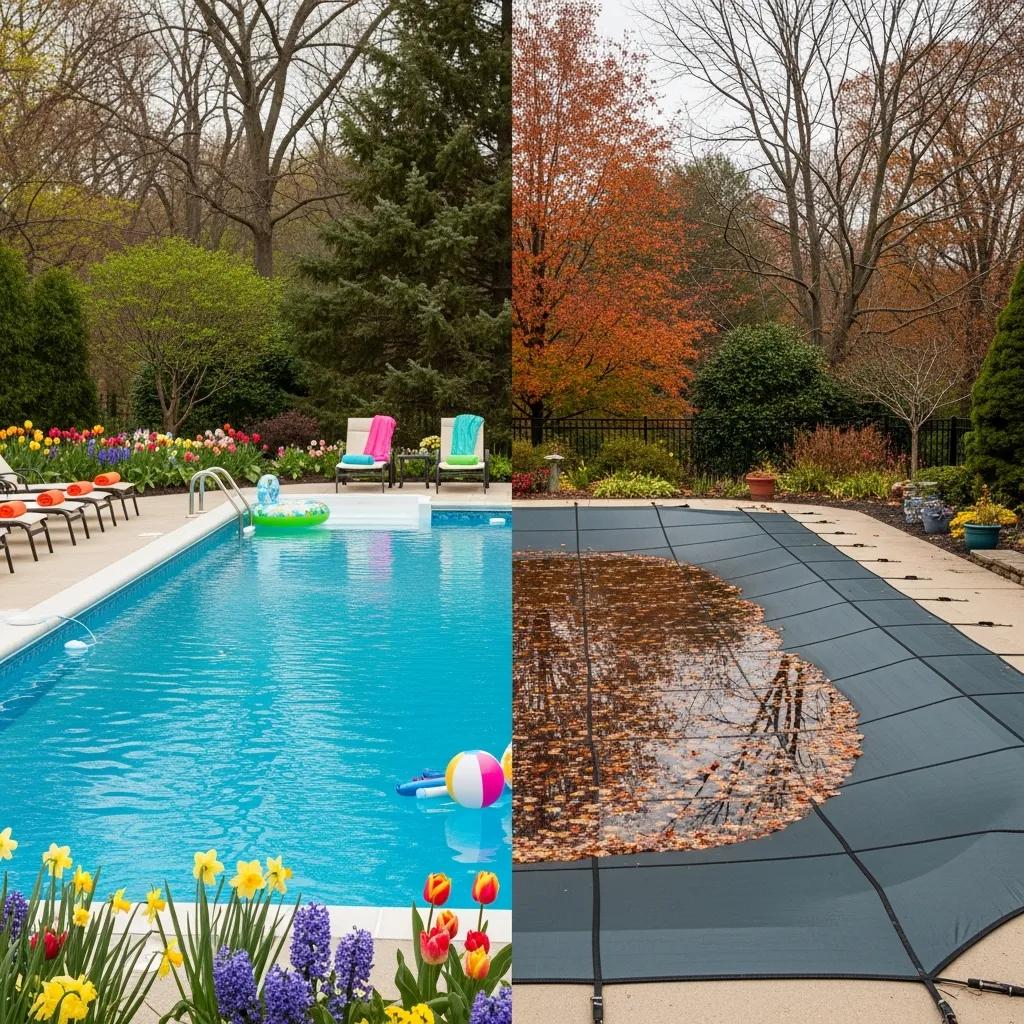
Seasonal changes significantly impact pool maintenance routines. New pool owners should be aware of how to adjust their care practices throughout the year to ensure optimal pool conditions.
What Are the Essential Steps for Spring Pool Opening?
Opening a pool in spring involves several essential steps to prepare it for the swimming season. First, remove the pool cover and clean it thoroughly before storing it. Next, inspect the pool equipment, including the pump and filter, to ensure they are functioning correctly. After that, fill the pool with water and test the chemistry, adjusting as necessary. Finally, clean the pool surfaces and check for any repairs needed. Following these steps will ensure a smooth transition into the swimming season.
How Should I Winterize My Pool for Off-Season Protection?
Winterizing a pool is crucial for protecting it during colder months. Key steps include lowering the water level below the skimmer, adding winterizing chemicals, and covering the pool securely. Additionally, removing and storing pool accessories, such as ladders and skimmers, will help prevent damage. Proper winterization can save time and money on repairs when reopening the pool in spring.
What Advanced Tips Should New Pool Owners Know?
For those looking to optimize their pool experience, several advanced tips can enhance efficiency and enjoyment. These strategies focus on energy savings and the integration of modern technology.
How Can I Save Energy with Variable-Speed Pumps and Efficient Equipment?
Investing in a variable-speed pump can significantly reduce energy costs associated with pool maintenance. These pumps allow owners to adjust the flow rate based on their needs, leading to lower electricity bills. Additionally, using energy-efficient equipment, such as LED lighting and solar heaters, can further enhance savings while maintaining optimal pool conditions. Understanding these options can lead to long-term benefits for both the environment and the owner’s wallet.
What Are the Benefits of Smart Pool Technology for New Owners?
Smart pool technology offers numerous advantages for new pool owners. Automated systems can monitor water chemistry, control heating, and even manage cleaning schedules remotely. This technology not only simplifies maintenance but also enhances safety by providing real-time alerts for any issues. Embracing smart technology can lead to a more enjoyable and hassle-free pool ownership experience.
| Pool Type | Features | Benefits |
|---|---|---|
| Inground | Customizable shape and size | Permanent installation, aesthetic appeal |
| Above-ground | Affordable and easy to install | Quick setup, portable options |
| Saltwater | Lower chlorine levels | Gentler on skin, reduced chemical use |
| Chlorine | Common and easy to maintain | Effective sanitation, widely available |
This table highlights the various pool types and their respective features and benefits, helping new owners make informed decisions about their pool options.
| Maintenance Task | Frequency | Importance |
|---|---|---|
| Water Testing | Weekly | Ensures balanced chemistry |
| Cleaning | Weekly | Prevents debris buildup |
| Equipment Check | Monthly | Ensures proper functionality |
This table outlines essential maintenance tasks, their frequency, and their importance, providing a clear guide for new pool owners to follow.
New pool ownership comes with a learning curve, but understanding the basics of pool care and maintenance can lead to a rewarding experience. By familiarizing themselves with essential practices, new owners can ensure their pools remain safe, clean, and enjoyable for years to come.