

Navigating North Texas Pool Permit Requirements and Regulations: Your Complete Guide
Understanding pool permits and regulations in North Texas is crucial for homeowners looking to install a swimming pool. This comprehensive guide will help you navigate the often complex landscape of pool permits, ensuring you meet all necessary requirements and avoid common pitfalls. With the increasing popularity of residential pools, knowing the essential regulations can save you time, money, and frustration. In this article, we will explore the essential pool permit requirements, the impact of statewide regulations, local zoning laws, the application process, required inspections, and specific details for major cities like Dallas, Fort Worth, and Frisco. By the end, you will be well-equipped to tackle the pool permitting process with confidence.
What Are the Essential Pool Permit Requirements in North Texas?
Obtaining a pool permit in North Texas involves several essential requirements that vary by municipality. Generally, homeowners must submit specific documents and adhere to local regulations to ensure compliance. Understanding these requirements is vital to avoid delays in the construction process and ensure safety standards are met.
Which Documents Are Needed for a North Texas Pool Permit Application?
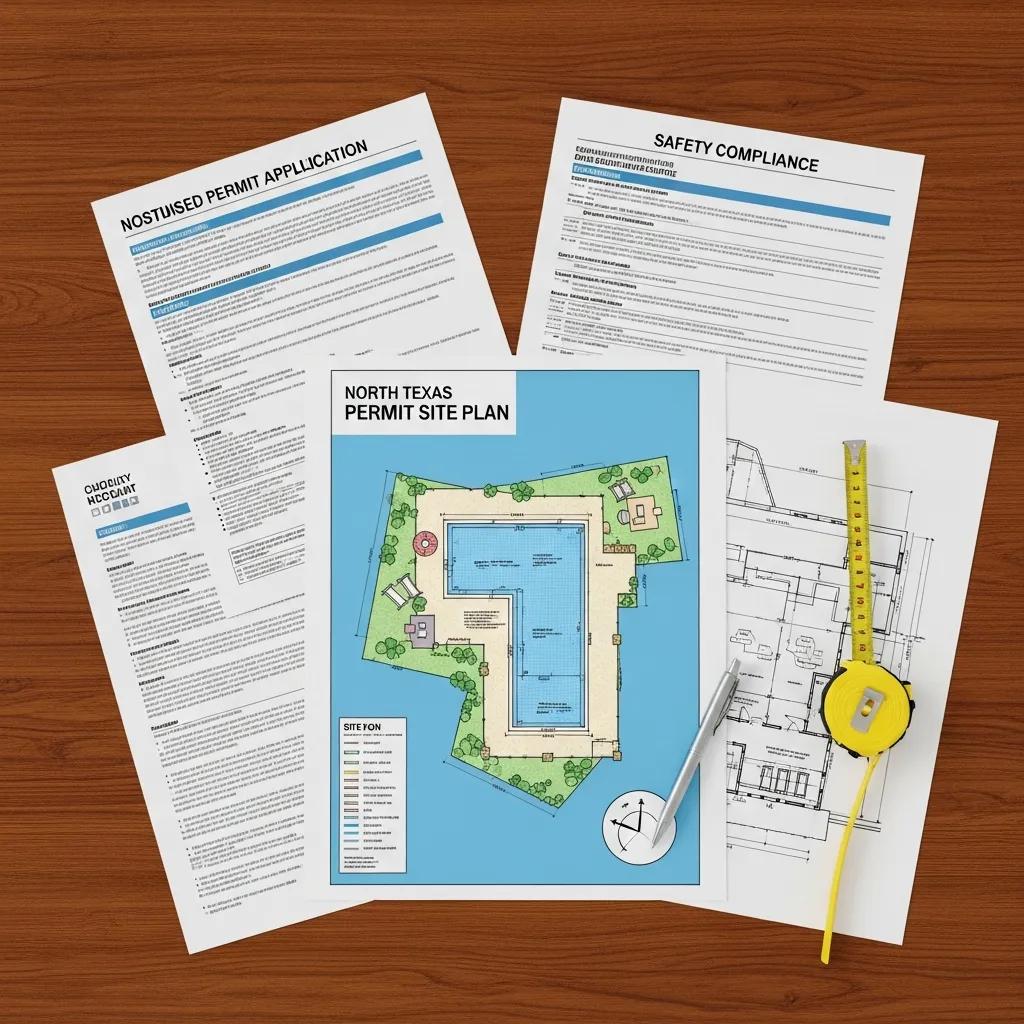
- Site Plan: A detailed site plan showing the proposed location of the pool, including distances from property lines and existing structures.
- Construction Plans: Detailed drawings of the pool design, including dimensions, materials, and any additional features such as decking or fencing.
- Entrapment Protection Documentation: Documentation ensuring compliance with safety standards to prevent entrapment hazards, such as compliance with the Virginia Graeme Baker Pool & Spa Safety Act.
These documents help local authorities assess the safety and compliance of your pool project.
How Do Local Municipalities Like Dallas and Fort Worth Issue Pool Permits?
The process for issuing pool permits can differ significantly between municipalities like Dallas and Fort Worth. Generally, the application submission process includes:
- Application Submission: Homeowners must submit their application along with the required documents to the local building department.
- Review Timelines: Each municipality has its own review timeline, which can range from a few days to several weeks, depending on the volume of applications.
- Contact Information: Homeowners should familiarize themselves with the local building department’s contact information for any inquiries or follow-ups.
Understanding these differences can help streamline the application process and ensure timely approval.
How Do Texas Statewide Pool Regulations Impact Pool Construction?
Texas has established statewide pool regulations that significantly impact pool construction. These regulations are designed to ensure safety and compliance across the state, affecting everything from design to installation.
What Are the Key Safety Laws for Residential Pools in Texas?
- Fencing Requirements: All residential pools must be enclosed by a barrier that meets specific height and access control standards to prevent unauthorized entry, typically a minimum of 48 inches in height with self-closing and self-latching gates.
- Alarm Systems: While not mandated statewide, some municipalities may require pool alarms or other safety devices to alert homeowners of unauthorized access.
- Access Control Measures: Safety measures such as self-closing gates and latching mechanisms are commonly required to enhance pool safety.
These laws are crucial for protecting children and pets from accidental drownings.
Which Building Codes Govern Pool Electrical and Plumbing Work in Texas?
Pool construction in Texas must adhere to specific building codes, particularly concerning electrical and plumbing work. Key codes include:
- National Electrical Code (NEC): This code outlines safety standards for electrical installations around pools, including lighting and equipment, with the 2020 NEC edition adopted by many Texas jurisdictions.
- International Plumbing Code (IPC): The IPC governs plumbing installations, ensuring proper drainage and water supply to the pool; Texas generally adopts the 2018 or later editions depending on the municipality.
- Inspection Requirements: Compliance with these codes is verified through inspections conducted by local authorities during the construction process.
Adhering to these codes is essential for ensuring the safety and functionality of your pool.
What Local Zoning Laws and Setback Requirements Apply to Pools in North Texas?
Local zoning laws and setback requirements play a significant role in determining where a pool can be placed on a property. These regulations vary by city and can impact the overall design and feasibility of your pool project.
How Do Zoning Ordinances Affect Pool Placement in Cities Like Dallas and Frisco?
Zoning ordinances dictate the placement of pools in relation to property lines and other structures. In cities like Dallas and Frisco, these ordinances may include:
- Specific Ordinances: Each city has unique zoning laws that dictate how close a pool can be to property lines, often requiring a minimum distance.
- Frisco Zoning Requirements: Frisco may have additional restrictions based on neighborhood covenants or homeowners association rules, which can affect pool placement.
Understanding these ordinances is crucial for ensuring compliance and avoiding potential fines.
What Are Typical Setback Distances and Restrictions for Residential Pools?
Setback distances refer to the minimum distance a pool must be from property lines and structures. Typical restrictions include:
- Standard Setback Distances: Many municipalities require pools to be set back at least 5 feet from property lines; some may require up to 10 feet depending on local ordinances.
- Exceptions to Rules: Some areas may allow for variances, but these typically require additional approvals and documentation.
- Importance of Compliance: Adhering to setback requirements is essential to avoid legal issues and ensure neighborhood harmony.
These regulations help maintain property values and community aesthetics.
How Does the Pool Permit Application Process Work Across North Texas Cities?
The pool permit application process can vary significantly across different cities in North Texas. Understanding the general steps involved can help homeowners navigate this process more effectively.
What Are the Step-by-Step Procedures for Applying for a Pool Permit?
- Initial Application Submission: Homeowners must complete and submit the application form along with required documents.
- Review Process: The local building department reviews the application for compliance with regulations and safety standards.
- Final Approval Steps: Once approved, homeowners receive their permit, allowing them to begin construction.
Following these steps can help ensure a smooth application process.
What Common Issues Cause Delays or Denials in Pool Permit Applications?
Several common issues can lead to delays or denials in pool permit applications, including:
- Incomplete Documentation: Failing to provide all required documents can result in application rejection.
- Non-Compliance with Regulations: If the proposed pool does not meet local safety or zoning regulations, the application may be denied.
- Miscommunication with Authorities: Lack of clear communication with local building departments can lead to misunderstandings and delays.
Being aware of these potential pitfalls can help homeowners prepare better and avoid setbacks.
What Inspections and Compliance Checks Are Required During Pool Construction?
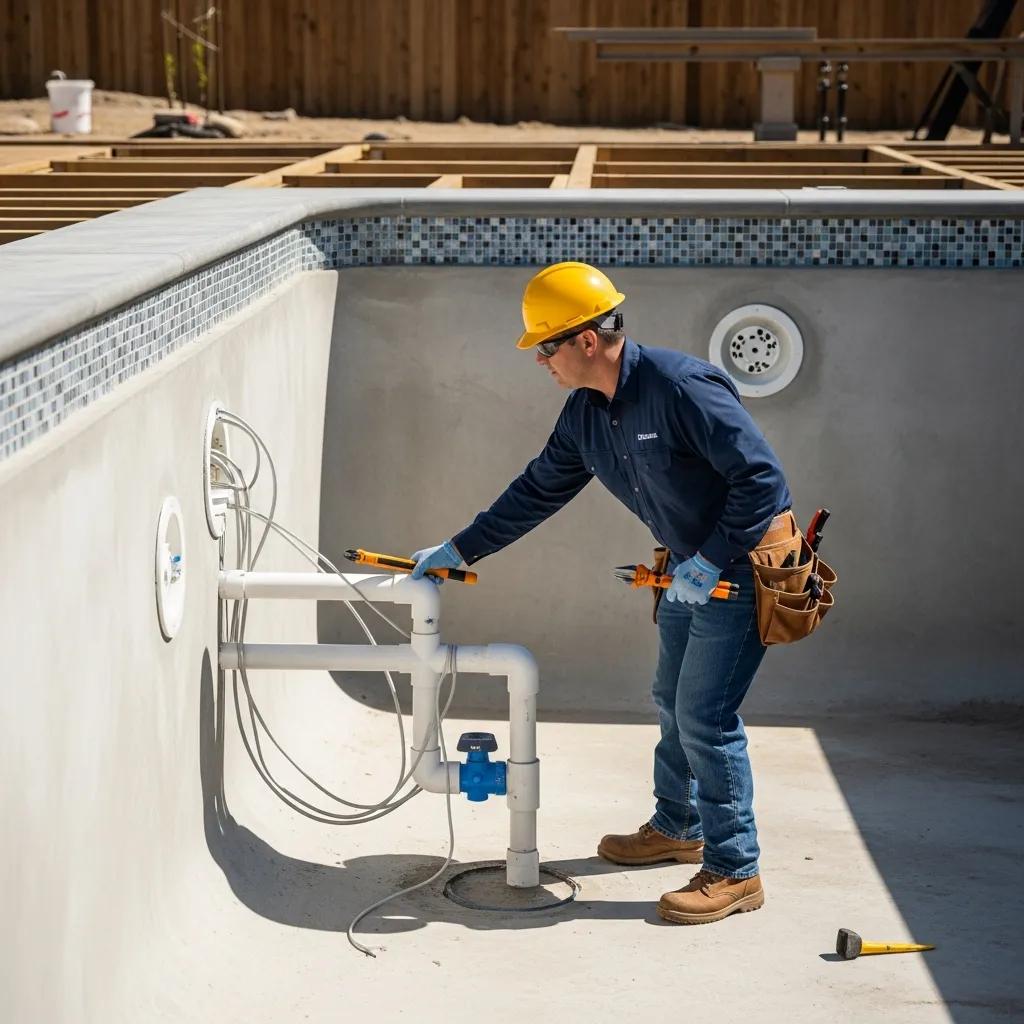
Inspections and compliance checks are critical components of the pool construction process, ensuring that all work meets safety and regulatory standards.
Which Types of Inspections Are Conducted for Pool Projects?
- Excavation Inspections: Ensuring that the excavation meets the approved plans and safety standards.
- Plumbing Inspections: Verifying that plumbing installations comply with local codes.
- Electrical Inspections: Ensuring electrical work complies with NEC requirements.
- Final Inspections: Conducted upon completion to ensure the pool is safe and compliant with all regulations.
These inspections help ensure that the pool is built safely and according to plan.
How Can Homeowners Prepare for Successful Pool Inspections?
Homeowners can take several steps to prepare for successful pool inspections:
- Documentation to Have Ready: Ensure all required documents, including permits and plans, are readily available for inspectors.
- Common Inspection Requirements: Familiarize yourself with common requirements to ensure compliance.
- Tips for Smooth Inspections: Schedule inspections at convenient times and communicate clearly with inspectors to address any concerns.
Proper preparation can help facilitate a smooth inspection process and avoid delays.
What Are the Specific Pool Permit and Regulation Details for Major North Texas Cities?
Different cities in North Texas have specific pool permit and regulation details that homeowners should be aware of when planning their projects.
What Are Dallas Pool Permit Requirements and Application Fees?
In Dallas, the pool permit requirements include:
- Required Documents: Homeowners must submit a site plan, construction plans, and any necessary entrapment protection documentation.
- Application Fees: The typical application fee for a pool permit in Dallas is approximately $200, but fees can vary based on the project scope and valuation.
- Contact Information for Dallas Building Department: Homeowners should contact the Dallas Building Inspection Division for specific inquiries and assistance.
Understanding these requirements can help streamline the permitting process in Dallas.
How Do Fort Worth and Frisco Pool Regulations Differ?
- Unique Requirements for Each City: Fort Worth generally requires a minimum 5-foot setback from property lines for pools, while Frisco may have similar or slightly different setback requirements depending on zoning districts.
- Permit Fees Comparison: Fort Worth typically charges around $150 for pool permits, whereas Frisco’s fees may be comparable but can vary based on project valuation.
- Regulatory Compliance Tips: Homeowners should familiarize themselves with each city’s specific regulations, including fencing and safety requirements, to ensure compliance and avoid delays.
Being aware of these differences can help homeowners navigate the permitting process more effectively.