

Seasonal Pool Maintenance Tips for North Texas Climate: Essential Care and Protection Strategies
Maintaining a pool in North Texas requires a strategic approach due to the region’s unique climate challenges. This guide provides essential seasonal pool maintenance tips tailored for homeowners in North Texas, ensuring your pool remains clean, safe, and enjoyable year-round. Readers will learn about the specific steps needed for spring openings, summer care, fall closures, and winterization, along with the importance of chemical balancing and equipment maintenance. As temperatures fluctuate, understanding how to protect your pool from extreme weather conditions is crucial. This article will cover the necessary preparations for each season, effective strategies for chemical management, and essential equipment care tips.
How Do You Prepare Your Pool for Spring Opening in North Texas?
Preparing your pool for spring involves several critical steps to ensure it is safe and ready for use. The spring opening process is essential for removing winter debris and restoring water quality. Homeowners should follow a comprehensive checklist to ensure all aspects of pool maintenance are addressed.
What Are the Key Steps in the Spring Pool Opening Checklist?
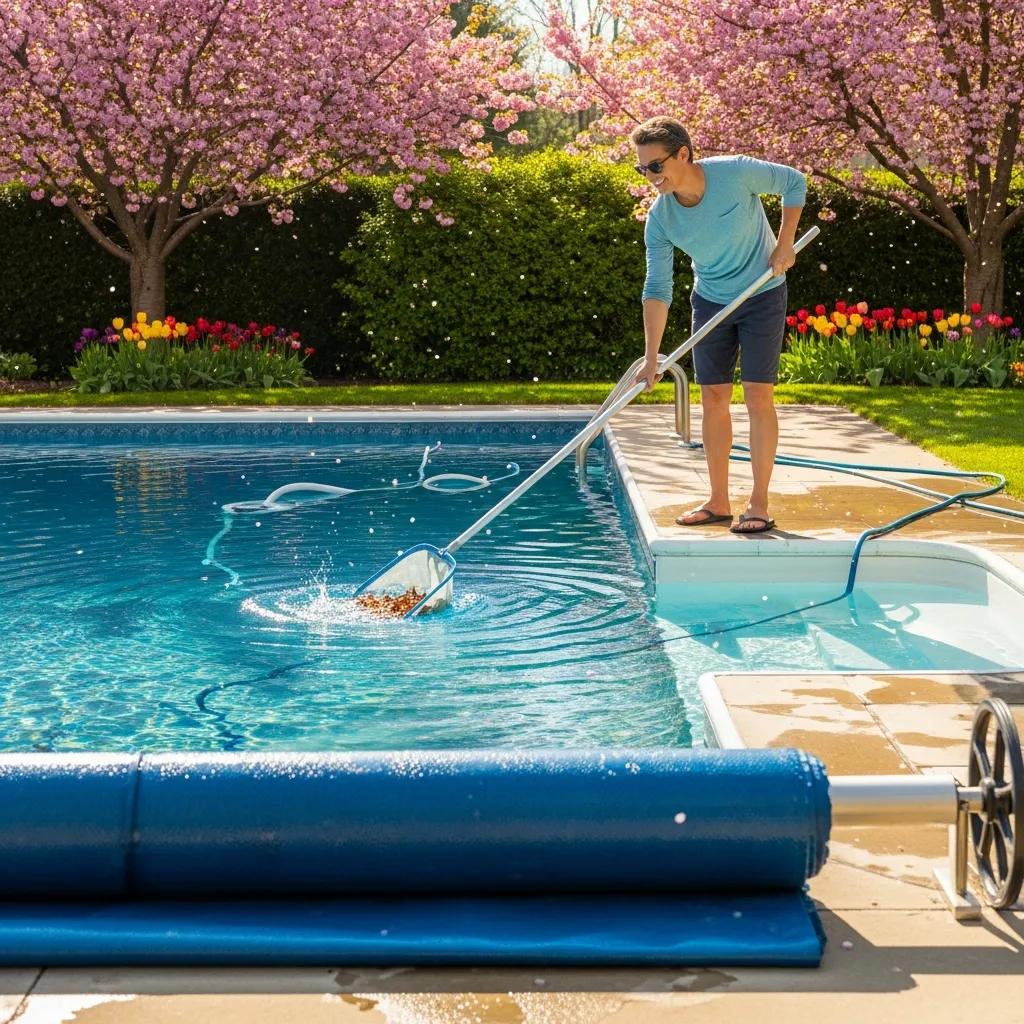
- Remove the Pool Cover: Carefully take off the winter cover, ensuring no debris falls into the pool.
- Clean the Pool: Skim the surface for leaves and debris, then vacuum the bottom to remove settled dirt.
- Inspect Equipment: Check the pool pump, filter, and heater for any signs of damage or wear.
- Fill the Pool: Refill the pool to the appropriate water level, typically to the middle of the skimmer opening.
- Start the Equipment: Turn on the pump and filter to circulate the water and begin the cleaning process.
Following these steps will help ensure a smooth transition from winter to spring, setting the stage for a clean and inviting pool.
Which Chemicals Are Essential for Spring Pool Balancing in Texas Heat?
Proper chemical balancing is crucial for maintaining water quality as temperatures rise. Key chemicals to consider include:
- Chlorine: Essential for sanitizing the water and keeping it free from harmful bacteria.
- pH Balancer: Maintaining a pH level between 7.2 and 7.8 is vital for swimmer comfort and chemical effectiveness.
- Alkalinity Adjusters: Keeping total alkalinity between 80-120 ppm helps stabilize pH levels.
- Calcium Hardness: Ensuring calcium levels are between 200-400 ppm prevents corrosion and scaling.
Regular testing and adjustment of these chemicals will help maintain a safe swimming environment throughout the spring and summer months.
What Are Effective Summer Pool Care Strategies for Extreme Texas Heat?
Summer in North Texas can be intense, leading to unique challenges in pool maintenance. Effective strategies are necessary to keep the pool clean and safe during the hottest months.
How to Manage Chlorine Loss and Maintain Chemical Balance in High UV Conditions?
High UV exposure can lead to rapid chlorine loss, making it essential to manage levels effectively. Here are some strategies:
- Increase Chlorine Levels: During peak sun hours, consider maintaining chlorine levels within the recommended range rather than raising them excessively, as over-chlorination can cause irritation.
- Use Stabilizers: Adding cyanuric acid can help protect chlorine from UV degradation; maintain cyanuric acid levels between 30-50 ppm.
- Regular Testing: Test chlorine levels at least twice a week to ensure they remain within the ideal range of 1-3 ppm.
By implementing these strategies, pool owners can maintain effective sanitation even in the hottest weather.
What Are Best Practices to Prevent Algae Blooms During Hot Summers?
Preventing algae blooms is crucial for maintaining water clarity and safety. Best practices include:
- Regular Cleaning: Skim the pool daily and vacuum weekly to remove organic debris that can fuel algae growth.
- Shock Treatments: Perform regular shock treatments, especially after heavy use or rain, to kill any developing algae.
- Maintain Water Circulation: Ensure that the pool pump runs for at least 8-12 hours a day to keep water circulating and prevent stagnation.
These practices will help keep your pool algae-free and ready for summer fun.
How Should You Close and Maintain Your Pool in Fall for North Texas Winters?
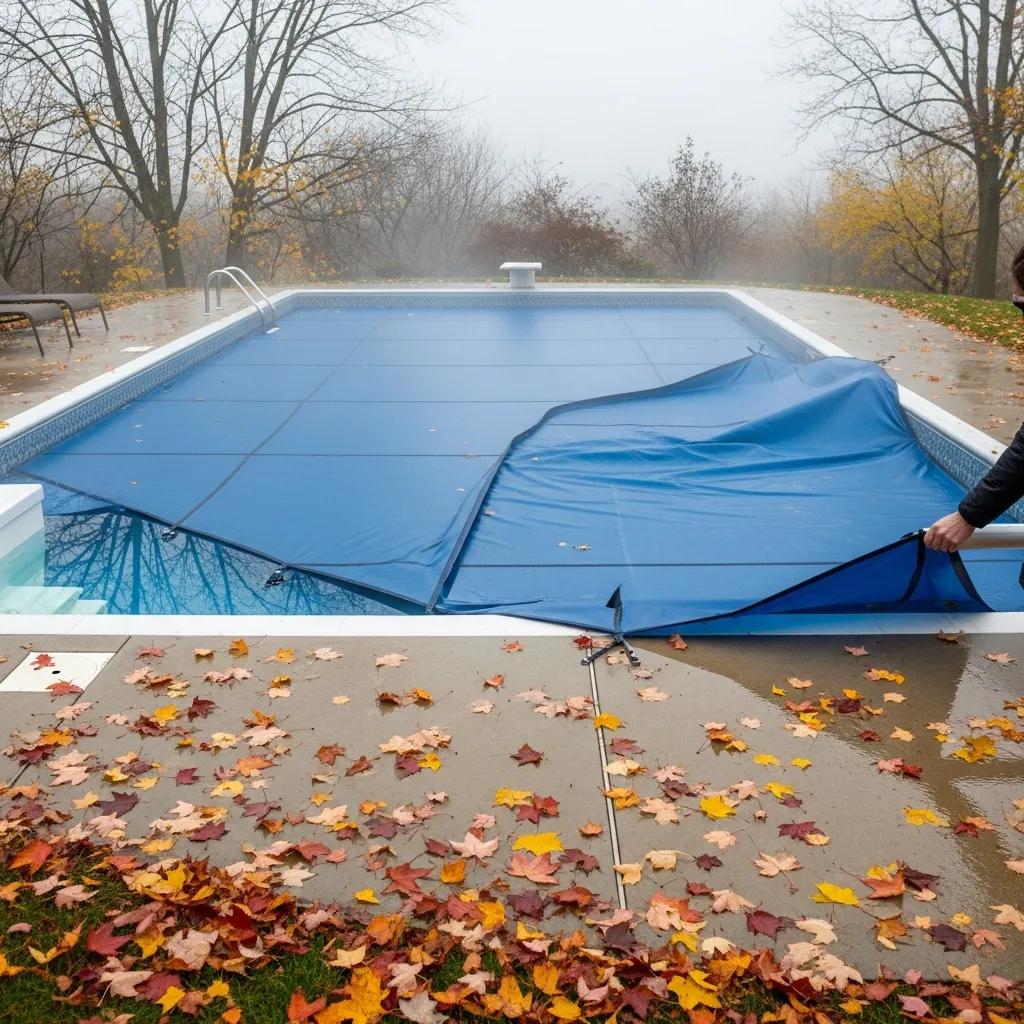
As temperatures begin to drop, preparing your pool for winter is essential to prevent damage from freezing conditions. A proper fall closing process will protect your investment.
What Is the Fall Pool Closing Checklist for DFW Homeowners?
- Lower Water Level: Lower the water level to about 4-6 inches below the skimmer to prevent freeze damage.
- Clean the Pool: Thoroughly clean the pool, removing all debris and vacuuming the bottom.
- Add Winter Chemicals: Use winterizing chemicals such as algaecides and stain preventers to prevent algae growth and protect the water.
- Cover the Pool: Use a solid or mesh cover designed for winter to keep debris out and minimize evaporation.
Following this checklist will help ensure your pool is well-prepared for the winter months.
How Do You Prepare Pool Equipment for Winter to Avoid Freeze Damage?
Protecting pool equipment from freezing temperatures is crucial. Key steps include:
- Drain Water from Equipment: Remove water from pumps, filters, heaters, and pipes to prevent freezing.
- Insulate Pipes: Use foam insulation or heat tape on exposed pipes to protect against freezing.
- Use Freeze Guards: Install freeze guards or freeze protection devices on pumps to automatically activate if temperatures drop too low.
These precautions will help prevent costly repairs and ensure your equipment remains in good condition.
Why Is Winter Pool Freeze Protection Critical in North Texas?
Winter freeze protection is essential for maintaining the integrity of your pool and its equipment. North Texas can experience freezing temperatures, making it vital to take preventive measures.
What Are the Essential Steps for Pool Winterization in North Texas Climate?
- Lower the Water Level: Lower the water level to prevent ice formation in skimmers and plumbing.
- Add Winterizing Chemicals: Use algaecides and other winterizing chemicals to keep the water clear and prevent algae growth.
- Cover the Pool: A solid or mesh cover will protect the pool from debris and minimize evaporation.
These steps are crucial for ensuring your pool is protected during the cold months.
How Do You Protect Your Pool During Power Outages and Extreme Freezes?
In the event of a power outage or extreme freeze, consider these protective measures:
- Run Pumps Manually or Use Battery Backup: If possible, run the pool pump manually or use a battery backup system to keep water circulating.
- Drain Equipment: Ensure all equipment is drained to prevent freeze damage.
- Backup Power: Consider a generator to maintain power to essential equipment during outages.
Implementing these strategies will help safeguard your pool against unexpected winter challenges.
How Can You Master Pool Chemical Balance Year-Round in North Texas?
Maintaining proper chemical balance is essential for pool health throughout the year. Understanding the ideal levels for various chemicals can help ensure a safe swimming environment.
What Are Ideal pH, Chlorine, and Alkalinity Levels for Texas Pools?
Maintaining the right chemical levels is crucial for pool health:
| Chemical | Ideal Range |
|---|---|
| pH | 7.2 – 7.8 |
| Chlorine | 1 – 3 ppm |
| Alkalinity | 80 – 120 ppm |
Regular testing and adjustments will help keep your pool water safe and comfortable for swimmers.
How Does North Texas Climate Impact Pool Chemistry and Maintenance?
The North Texas climate can significantly affect pool chemistry and maintenance routines. Factors include:
- High Temperatures: Increased evaporation and chlorine loss require more frequent testing and adjustments.
- Rainfall: Heavy rains can dilute chemicals, necessitating rebalancing.
- Humidity: High humidity can promote algae growth, requiring additional preventive measures.
Understanding these impacts will help pool owners adapt their maintenance strategies effectively.
What Are Essential Pool Equipment Maintenance Tips for Texas Weather?
Proper maintenance of pool equipment is vital for ensuring longevity and efficiency. Texas weather can be harsh, making regular checks and care essential.
How to Maintain and Winterize Pool Pumps, Filters, and Heaters?
- Regular Inspections: Check equipment for wear and tear, ensuring all components are functioning correctly.
- Clean Filters: Regularly clean or replace filters to maintain optimal water flow and clarity.
- Winterize Equipment: Follow winterization steps to protect equipment from freezing temperatures.
These maintenance tips will help ensure your pool equipment remains in good working order throughout the year.
What Are Benefits of Using Freeze Guards and Energy-Efficient Equipment?
Investing in freeze guards and energy-efficient equipment offers several advantages:
- Cost Savings: Energy-efficient pumps and heaters reduce electricity bills.
- Enhanced Protection: Freeze guards provide automatic protection against freezing conditions.
- Environmental Impact: Energy-efficient equipment reduces overall energy consumption, benefiting the environment.
Utilizing these technologies can enhance your pool’s performance while saving money and resources.